Why American Brands Are Losing Ground in China
Once a highly attractive and rapidly expanding market for American companies, China is now presenting significant challenges. With a vast population and immense business potential, brands eagerly sought to capitalize on China's growth. However, in recent years, prominent American consumer brands such as Nike, Starbucks, and General Motors have experienced a shift in their fortunes.
Factors like escalating geopolitical tensions, a surge in domestic competition, and a growing disconnect with Chinese consumers have led these once-dominant companies to lose ground in a market that previously fueled their expansion.
"China is such a big market. The numbers are so big so quickly when you talk about China that sort of everybody has wanted to try, and that's why all brands went there," noted Aaron Cheris, head of global retail practice at Bain & Company. He added that many companies failed to adapt to the local market's evolving structures and needs.
Cheris explained that Chinese consumers often don't perceive the value in the price premiums associated with American products. Moreover, domestic Chinese brands typically boast faster innovation cycles and more effective distribution networks within the region.
The U.S. and China have faced considerable geopolitical friction in recent years, amplified by former President Donald Trump's tariff policies. This political climate, coupled with a rise in national pride among Chinese consumers who increasingly favor domestic brands, has contributed to American companies' struggles.
Some domestic brands have significantly disrupted the market by resetting innovation benchmarks and engaging in price wars.
Despite these challenges, certain brands like Lululemon, Ralph Lauren, and Kentucky Fried Chicken continue to thrive in China. Cheris attributes their success to fundamental business strategies: offering good value, developing locally relevant and compelling products, and effectively utilizing winning channels and stores in the market. He emphasizes that success hinges on strong execution and effective brand management.
For U.S. companies to regain their footing in China, Cheris advises them to ensure their products justify the price premium and offer superior quality. He stresses the importance of building substantial local capabilities rather than simply attempting to impose global strategies on Chinese consumers.
Retail
Several retailers have seen their popularity and relevance decline in China as their international expansion strategies faltered.
Nike, a major casualty, has experienced a significant contraction in its China business, with annual revenue reaching an eight-year low. While China was once Nike's fastest-growing market, consumers are increasingly opting for domestic brands. Nike is currently working to revamp its distribution model in the country.
Yaling Jiang, founder of consumer research firm ApertureChina, previously stated that Nike has become "irrelevant" in China, while Adidas has gained market share. This downturn occurs against the backdrop of a booming sportswear market in China, which has more than doubled in the past decade.
Nike remains uncertain about when its China business will return to growth. However, Cathy Sparks, Nike's vice president and general manager for Greater China, has indicated that the company is actively seeking to reconnect with Chinese consumers.
Other retailers have faced similar difficulties. Estée Lauder has encountered significant headwinds, with its CEO expressing doubt about China's return to double-digit growth in the near future. The company is focusing on making its brands more locally relevant.
Gap sold its China business in 2022 after experiencing a slowdown and an inability to connect with local consumers. The new management has refined the company's local strategy, leading to a break-even performance and plans for significant store expansion in 2026.
Abercrombie & Fitch is also reportedly seeking local partners in China to bolster its performance.
In contrast, brands like Lululemon and Ralph Lauren have maintained their market relevance and sales growth. Lululemon anticipates approximately 20% growth in its China business this year, while Ralph Lauren saw 40% growth in China in its most recent quarter.
Food and Consumer Packaged Goods
While some food and beverage companies, such as Kentucky Fried Chicken, continue to perform well, others have seen marked declines.
Starbucks, which entered mainland China in 1999 and became the company's second-largest market by 2015, has faced challenges since the COVID-19 pandemic. Chinese consumers have increasingly turned to lower-priced domestic alternatives.
The market is experiencing a transition with the rise of mass-market competitors. Starbucks faces intense competition from the Chinese brand Luckin Coffee, which boasts significantly more stores and offers its products at a steep discount.
In response to struggles in its U.S. business, Starbucks formed a joint venture with Boyu Capital to manage its operations in China, aiming to leverage local expertise to revive sales.
China is also a crucial market for consumer packaged goods giant Procter & Gamble. However, P&G's product sales have faced difficulties in recent years. The company cited a tough competitive environment and a depressed market post-Covid.
Sales of its premium SK-II skincare brand have fluctuated, impacted by reduced Chinese consumer travel and spending. Additionally, anti-Japanese sentiment has affected demand for SK-II, which originated in Japan.
Despite these challenges, P&G asserts that many of its brands remain strong in China, attributing some segment weaknesses to the consumer environment rather than a loss of brand equity. The company is seeing growth with products like silk-fiber diapers and has regained market share for the first time in 15 quarters.
Autos
The U.S. automotive industry has been severely impacted in China. What was once a major growth market has transformed into a landscape of significant restructuring, driven by the emergence of domestic Chinese car companies and a price war fueled by overcapacity.
Detroit's "Big Three" automakers – GM, Ford, and Stellantis – have seen their collective global market share in China decline. As a result, they have either retreated from the region or restructured their Chinese operations.
General Motors, the longest-standing U.S. automaker in China, has experienced a dramatic decline in earnings, shifting from substantial annual profits to consecutive years of losses. This fall is attributed to increased domestic competition and evolving consumer preferences, with local automakers benefiting from government support and a culture of innovation.
A slowing Chinese market and underutilization have prompted domestic companies to begin exporting to global markets. Furthermore, Chinese consumers are increasingly opting for electric vehicles due to their price and quality, with new energy vehicles dominating new passenger car sales.
Tesla is reportedly considering the sale or spinoff of its Chinese business. Ford, which has focused on positioning itself as an American automaker, has been shifting operations and sales efforts back to the U.S., including relocating the production of its Lincoln models.
Between 2018 and 2022, Ford reported a significant decline in China sales and no longer reports its financial results by region.
Fresh materials — MMA News

Trump Threatens to Destroy Iran's Kharg Island Oil Hub as Hostilities Escalate
U.S. forces have conducted strikes on two Iranian rocket launchers located on Larak Island. This action followed observations of Revolutionary Guard forces preparing rockets armed with sea mines for deployment into the Strait of Hormuz, according to confirmation from U.S. Central Command. N
HDFC Bank Shares Rise on News of CEO's Unexpected Departure
HDFC Bank, India's largest private lender, experienced an increase in its share price on Monday, though it later pared back its gains. This movement followed a surprise announcement from Chief Executive Sashidhar Jagdishan that he will be exiting the bank upon the conclusion of his te
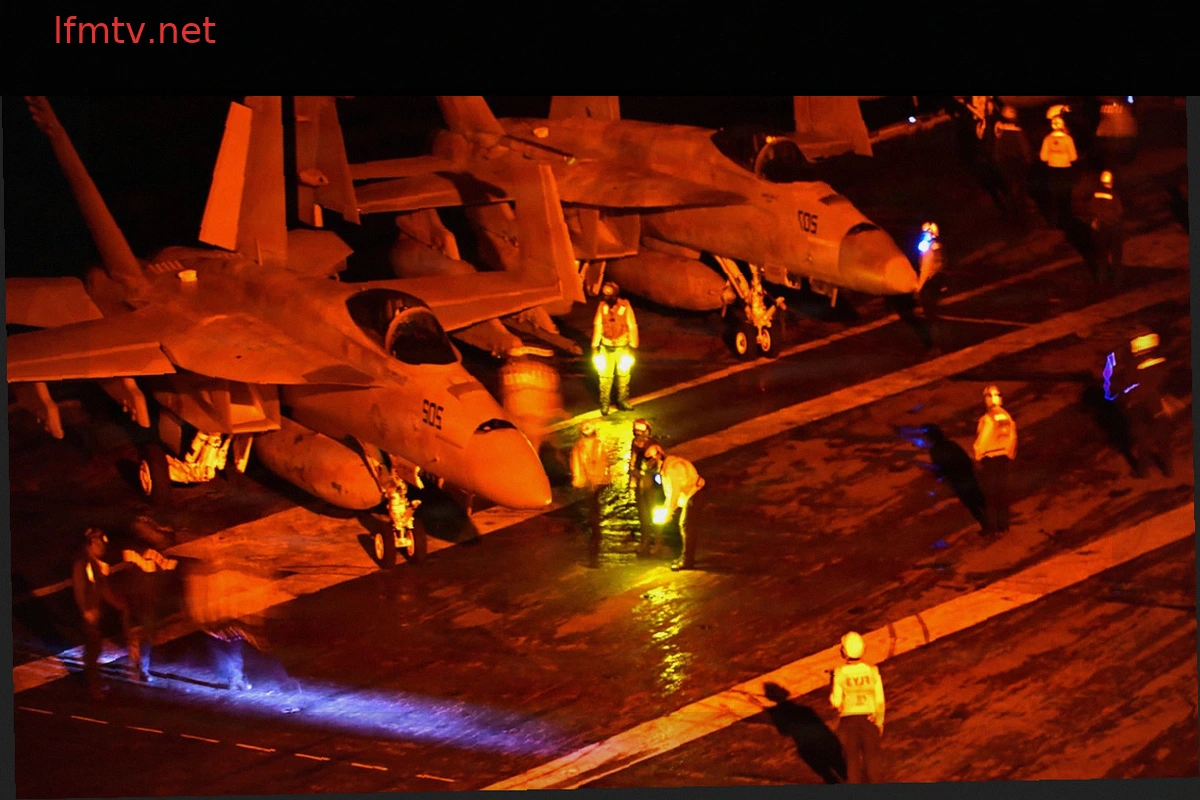
U.S. and Iran Exchange Strikes Amid Escalating Tensions
U.S. military forces carried out strikes on two Iranian rocket launchers located on Larak Island on Sunday. This action was taken following reports from the U.S. Central Command that Iranian Revolutionary Guard forces were preparing to launch rockets equipped with sea mines towards the
Aon Nears $17 Billion Deal to Acquire Insurance Broker USI from KKR
Aon is reportedly in advanced discussions to acquire USI, a prominent insurance brokerage firm, in a deal valued at approximately $17 billion, including debt. The seller is the private-equity firm KKR. According to The Wall Street Journal, the agreement could be announced as e
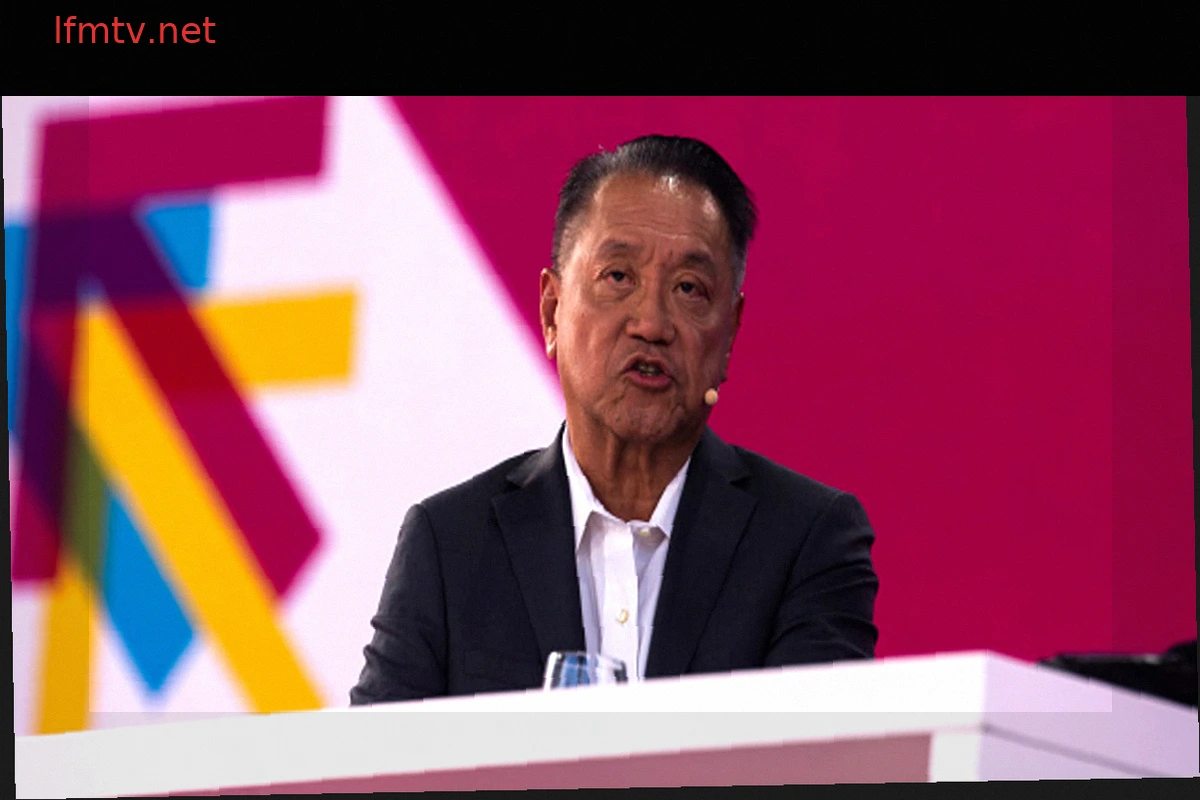
Key Stock Market Focus: Earnings, Cybersecurity, and Economic Data
This week, the stock market is under close observation as two prominent AI chipmakers, Broadcom and Palo Alto Networks, prepare to release their earnings. The dynamic cybersecurity landscape and the labor market will also be central themes. Here's an in-depth look at three critical areas t

Dolly Parton's Resilience: Underestimation as a Strength
For decades, Dolly Parton was surprisingly underestimated, a fact that ultimately became one of her greatest assets. In a 2015 interview at Dollywood Theme Park, the famously optimistic singer-songwriter candidly shared her past struggles with depression and feelings