Warsh Faces Federal Reserve Independence Test Amid Bessent's Bond Market Focus
Treasury Secretary Scott Bessent's ambition to steer the bond market requires more than just his own efforts; it necessitates cooperation with his long-time friend, Federal Reserve Chairman Kevin Warsh.
Bessent's attempts to influence bond yields are intensifying the scrutiny on Warsh to clarify his position on the Federal Reserve's independence and its approach to the substantial amount of U.S. government debt.
Historically, the Federal Reserve has only intervened in the bond market to influence yields during severe economic downturns or emergencies. Bessent's current concerns do not reach this threshold, and there are no indications that the central bank plans to intervene. However, the lines between the Treasury's and the Fed's responsibilities are not always clear. Warsh has consistently stated his belief that the Treasury should have greater authority over sensitive matters related to the Fed's balance sheet.
On Wednesday, the Treasury Department announced it would buy back at least $2 billion of long-dated treasuries, in addition to its existing plans, which would need to be balanced by shorter-maturity debt issuance.
Bessent hinted at further actions, stating, "We have a big toolkit, so we'll see."
"Part of it is signaling here and to show that we believe that the yields don't reflect the underlying fundamentals," Bessent explained. While yields on the 10-year Treasury note saw a drop on Wednesday, they had largely recovered by Thursday.
Rick Rieder, chief investment officer of global fixed income, remarked on Wednesday, "There's more firepower in terms of how you manage the yield curve sitting at the Federal Reserve." He added that the upcoming Jackson Hole Economic Policy Symposium would be an important event to observe how these issues are addressed.
Warsh was already under pressure regarding his relationship with the Treasury market leading up to the Jackson Hole gathering.
Following the FOMC's July meeting, some market participants interpreted Warsh's remarks as an indication that he welcomed an increase in long-term bond yields.
Loretta Mester, former president of the Cleveland Fed, noted that bond traders further increased yields to account for this uncertainty. "I think part of what's happening is we don't have very much clarity yet on what Kevin Warsh's plans are," Mester stated in a CNBC interview. "We don't even have clarity on their reaction function."
In July, Warsh expressed concerns about inflation but did not directly answer questions about the conditions that would prompt him to raise interest rates.
Fed Independence
Warsh has also been unclear about the exact boundaries of the Fed's authority within the financial system.
"Fed independence is at its peak in the conduct of monetary policy," Warsh stated during his Senate confirmation hearing in April, suggesting that certain aspects of the Fed's operations are not entirely independent. He cited bank supervision as an example of non-independent policy but did not fully specify which other areas fall under this category.
Warsh has also advocated for a reassessment of the Fed's relationship with the Treasury. In 2025, he proposed updating the 1951 Treasury-Fed Accord, which laid the foundation for the division of responsibilities and secured the Fed's political independence. Under his proposed revision, Warsh aimed to grant the Treasury more authority over significant adjustments to the Fed's substantial balance sheet.
"The Treasury secretary would need to find the proposed change in Fed holdings acceptable, given that it is partially fiscal policy in disguise," Warsh stated in 2025.
The Federal Reserve's approach to its current $6.7 trillion in financial assets on its balance sheet could significantly impact Bessent's plans. Warsh's existing proposals appear to contradict Bessent's objective of lowering yields. Warsh favors the Fed reducing its overall holdings and shifting towards short-term debt, which would likely drive up yields on longer-term Treasuries, the opposite of Bessent's desired outcome.
However, there is internal division within the Fed on this matter. Minutes from the Federal Open Market Committee's July meeting revealed that the Fed has postponed decisions regarding its balance sheet until a task force, appointed by Warsh, delivers its report later this year or early next.
Historically, the Treasury and the Fed have communicated regarding major balance sheet changes, and Bessent indicated this would likely continue. "I think that the Treasury and the Fed would work together if there was any change in the balance sheet, and we would adjust to any kind of runoff that they're doing," Bessent said.
Neither the Fed nor the Treasury Department responded to requests for comment on whether Bessent's statement implied that he and Warsh had begun coordinating their efforts.
Fresh materials — MMA News

Trump Threatens to Destroy Iran's Kharg Island Oil Hub as Hostilities Escalate
U.S. forces have conducted strikes on two Iranian rocket launchers located on Larak Island. This action followed observations of Revolutionary Guard forces preparing rockets armed with sea mines for deployment into the Strait of Hormuz, according to confirmation from U.S. Central Command. N
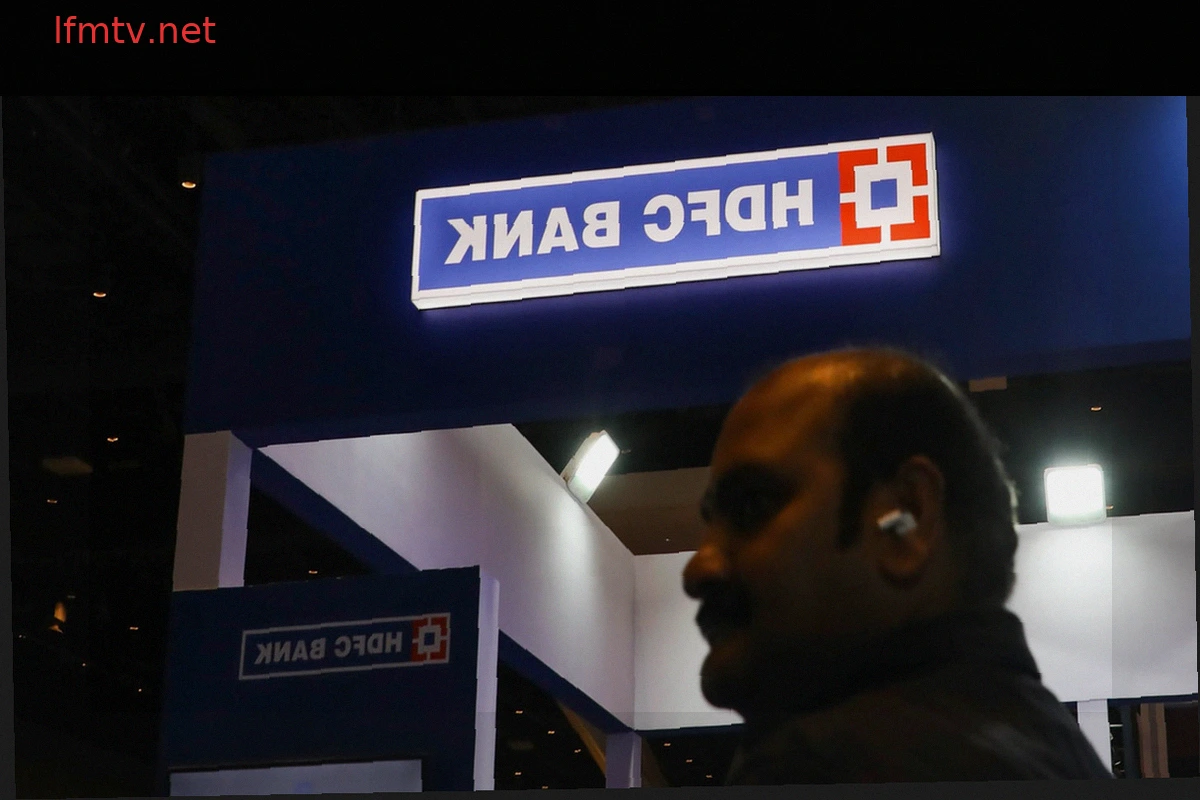
HDFC Bank Shares Rise on News of CEO's Unexpected Departure
HDFC Bank, India's largest private lender, experienced an increase in its share price on Monday, though it later pared back its gains. This movement followed a surprise announcement from Chief Executive Sashidhar Jagdishan that he will be exiting the bank upon the conclusion of his te

U.S. and Iran Exchange Strikes Amid Escalating Tensions
U.S. military forces carried out strikes on two Iranian rocket launchers located on Larak Island on Sunday. This action was taken following reports from the U.S. Central Command that Iranian Revolutionary Guard forces were preparing to launch rockets equipped with sea mines towards the
Aon Nears $17 Billion Deal to Acquire Insurance Broker USI from KKR
Aon is reportedly in advanced discussions to acquire USI, a prominent insurance brokerage firm, in a deal valued at approximately $17 billion, including debt. The seller is the private-equity firm KKR. According to The Wall Street Journal, the agreement could be announced as e
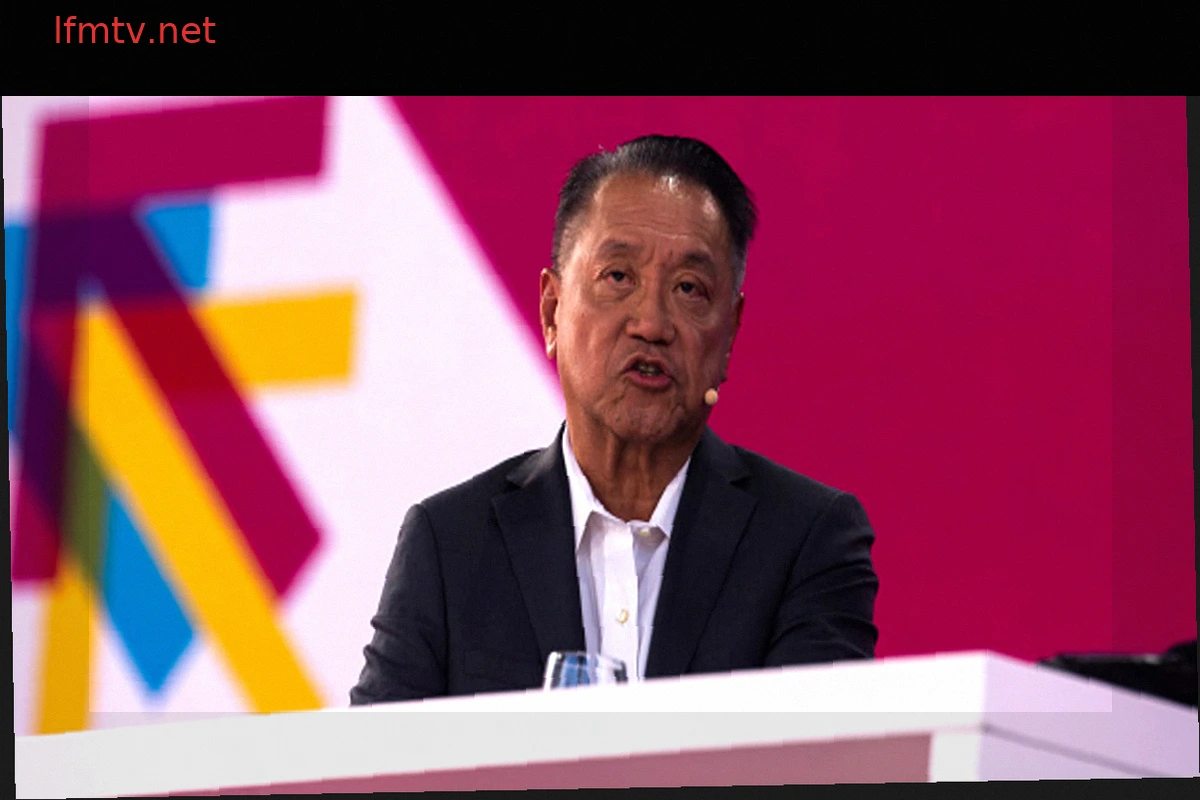
Key Stock Market Focus: Earnings, Cybersecurity, and Economic Data
This week, the stock market is under close observation as two prominent AI chipmakers, Broadcom and Palo Alto Networks, prepare to release their earnings. The dynamic cybersecurity landscape and the labor market will also be central themes. Here's an in-depth look at three critical areas t
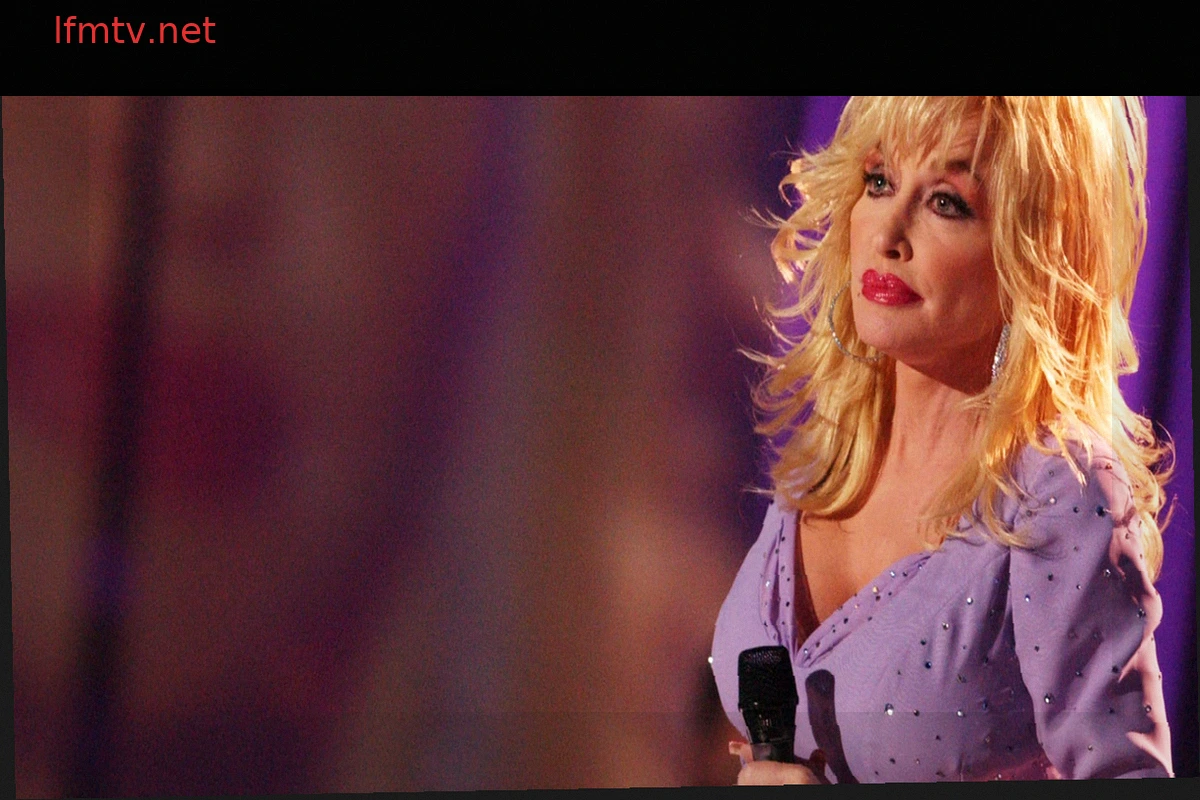
Dolly Parton's Resilience: Underestimation as a Strength
For decades, Dolly Parton was surprisingly underestimated, a fact that ultimately became one of her greatest assets. In a 2015 interview at Dollywood Theme Park, the famously optimistic singer-songwriter candidly shared her past struggles with depression and feelings