U.S. Monitors Allies' Interests Amid Defense Realignments
According to Derek Grossman, a political science professor at the University of Southern California, a U.S. withdrawal from Asia will necessitate greater defense responsibilities for regional allies. However, Washington will maintain its scrutiny to ensure these actions align with U.S. interests.
Grossman stated, "The prevailing philosophy is that less U.S. involvement is acceptable, provided that countries acting in the absence of the United States are doing so in accordance with U.S. objectives." His remarks followed President Donald Trump's repeated calls to significantly decrease joint military exercises with South Korea. Reasons cited included the cost of these drills, Seoul's unwillingness to support U.S. military actions against Iran, and Trump's positive relationship with North Korean leader Kim Jong Un. This week also saw the U.S. military move to cancel joint marine drills with South Korea scheduled for the following month, citing constraints related to the conflict in Iran.
Grossman suggested that Washington appears prepared to endorse increased regional cooperation without direct American participation, as long as these partnerships remain consistent with U.S. strategic goals.
"If Australia, the Philippines, and Japan form their own 'minilateral' security alliances without the United States, that is acceptable because we trust all three nations," he explained. "The issue arises when Japan begins to engage with China and Russia."
Jennifer Kavanagh, a senior fellow and director of military analysis at Defense Priorities, anticipates that allies will likely respond by increasing their military expenditures, investing more in their own defense capabilities, and forging new partnerships with neighboring countries. She added, "Over time, regional alliances that do not involve the United States can offer U.S. allies a Plan B."
Grossman noted that the current administration's primary focus has been on the defense of Taiwan, even as the U.S. "systematically de-prioritizes other parts of Asia."
U.S. Secretary of State Marco Rubio previously affirmed Washington's commitment to Taiwan's security, stating that "no one is contemplating walking away from Taiwan" while en route to Asia the previous year. Ahead of Trump's meeting with Xi in May of this year, he also cautioned Beijing against "destabilizing actions" concerning Taiwan.
Nevertheless, Grossman commented that the effectiveness of this stance remains uncertain.
"The immediate question that should be asked is: how can you defend Taiwan when you are engaged in a war in Iran and expending munitions there?" he questioned. "I do not believe the United States has adequately answered that question."
Fresh materials — MMA News
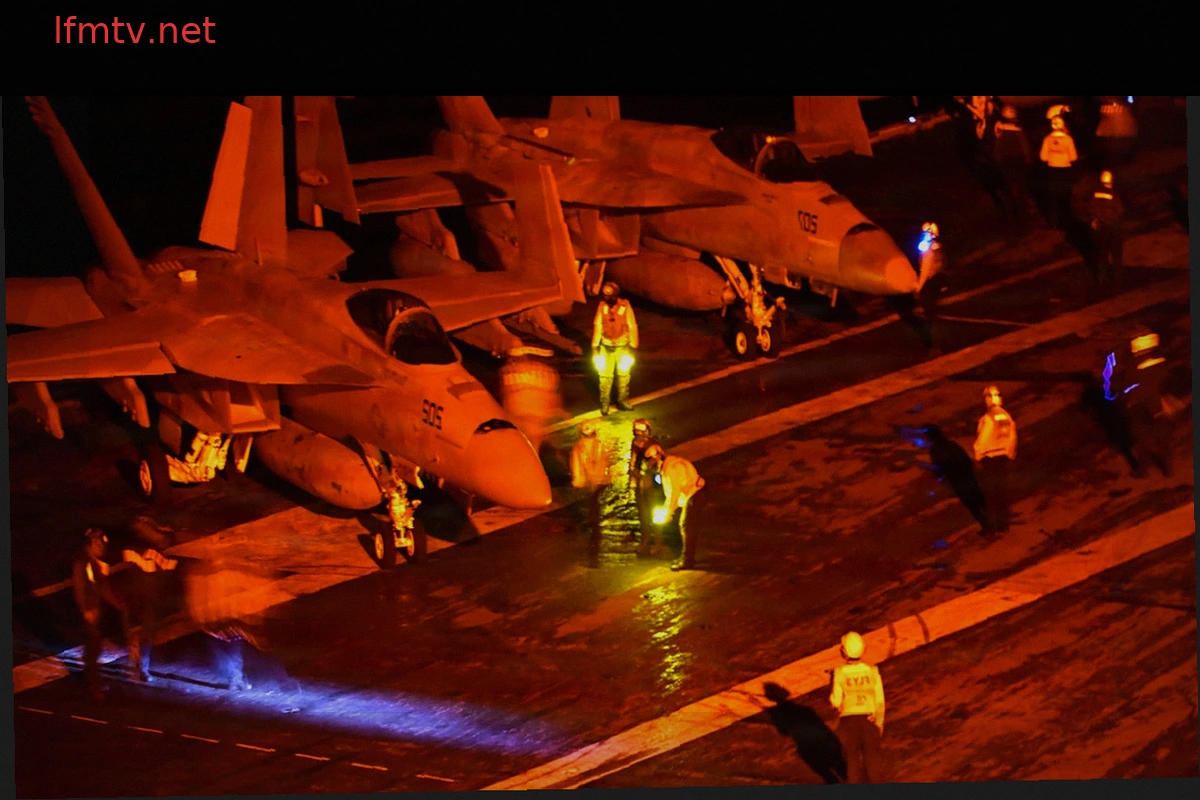
Trump Threatens to Destroy Iran's Kharg Island Oil Hub as Hostilities Escalate
U.S. forces have conducted strikes on two Iranian rocket launchers located on Larak Island. This action followed observations of Revolutionary Guard forces preparing rockets armed with sea mines for deployment into the Strait of Hormuz, according to confirmation from U.S. Central Command. N
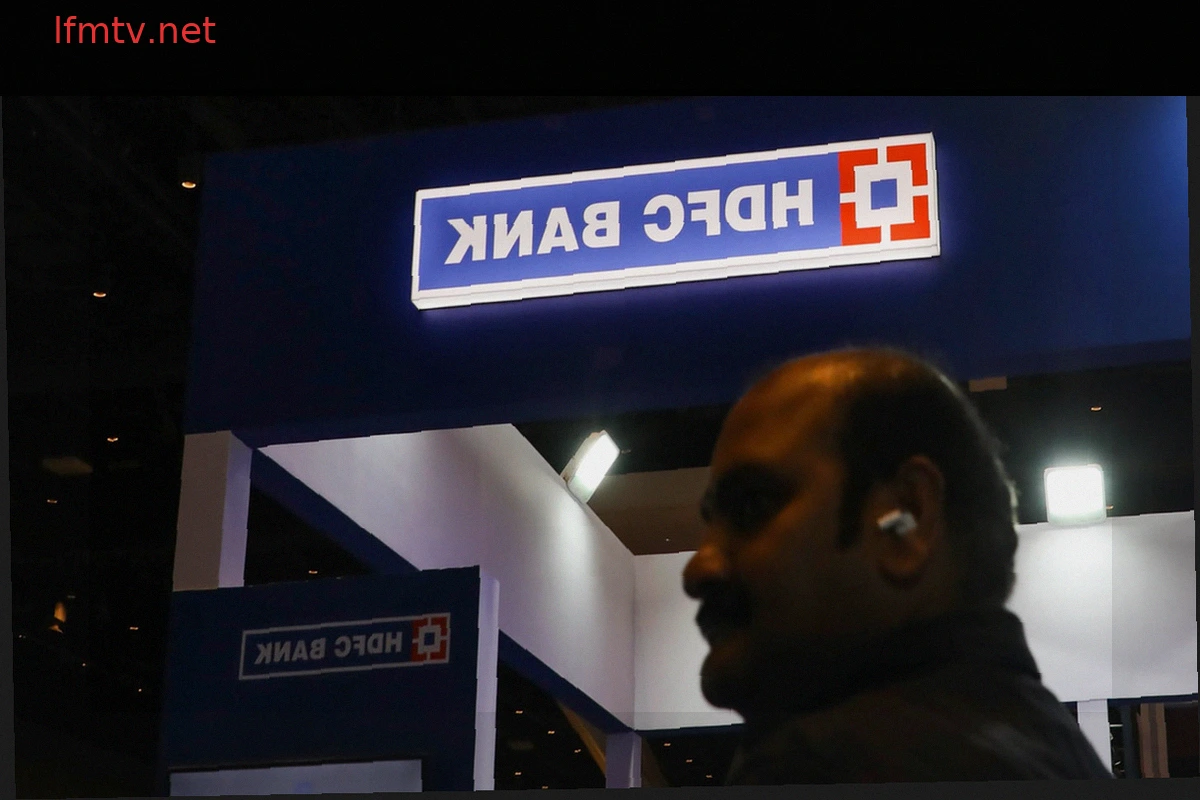
HDFC Bank Shares Rise on News of CEO's Unexpected Departure
HDFC Bank, India's largest private lender, experienced an increase in its share price on Monday, though it later pared back its gains. This movement followed a surprise announcement from Chief Executive Sashidhar Jagdishan that he will be exiting the bank upon the conclusion of his te
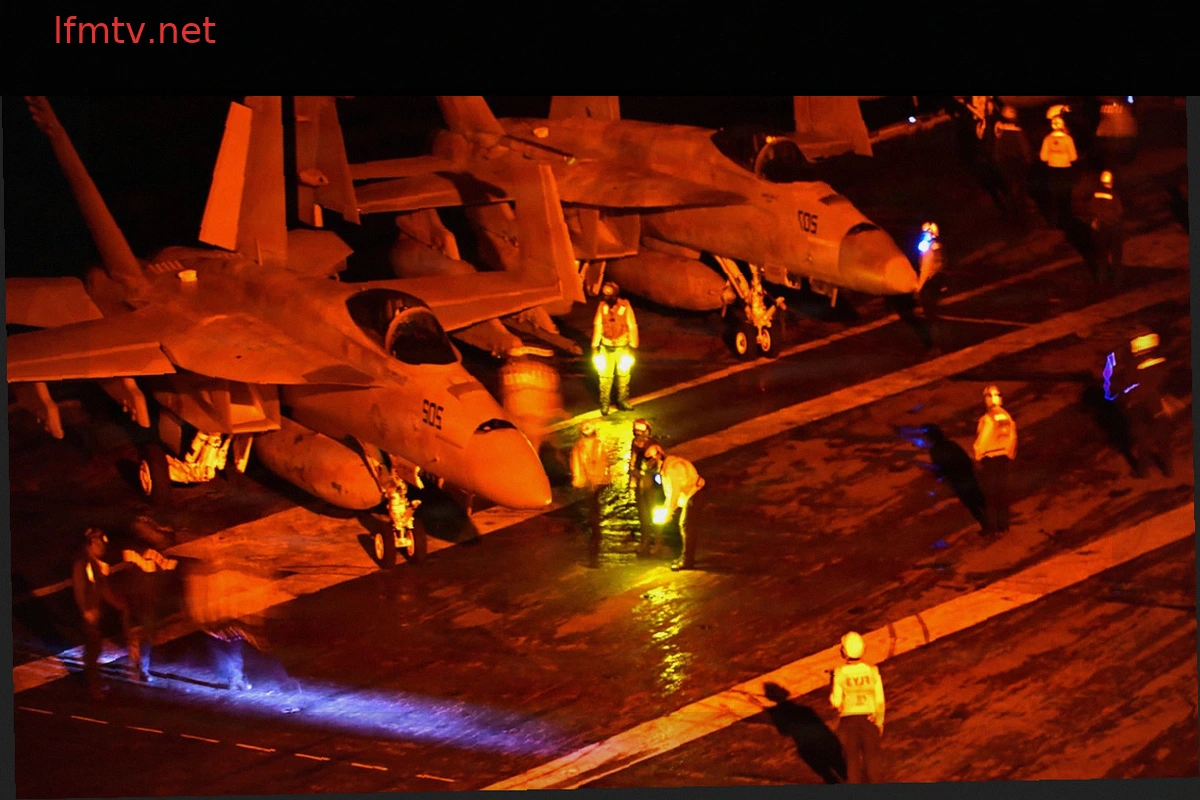
U.S. and Iran Exchange Strikes Amid Escalating Tensions
U.S. military forces carried out strikes on two Iranian rocket launchers located on Larak Island on Sunday. This action was taken following reports from the U.S. Central Command that Iranian Revolutionary Guard forces were preparing to launch rockets equipped with sea mines towards the

Aon Nears $17 Billion Deal to Acquire Insurance Broker USI from KKR
Aon is reportedly in advanced discussions to acquire USI, a prominent insurance brokerage firm, in a deal valued at approximately $17 billion, including debt. The seller is the private-equity firm KKR. According to The Wall Street Journal, the agreement could be announced as e
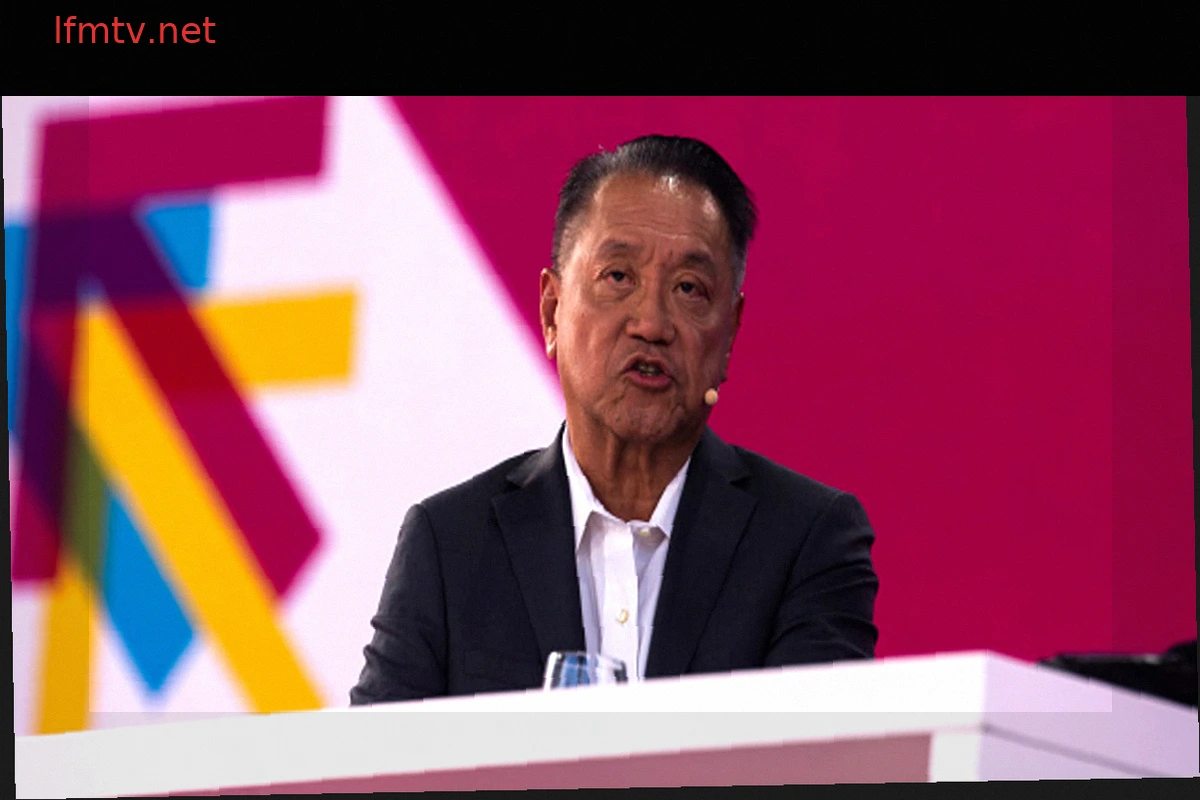
Key Stock Market Focus: Earnings, Cybersecurity, and Economic Data
This week, the stock market is under close observation as two prominent AI chipmakers, Broadcom and Palo Alto Networks, prepare to release their earnings. The dynamic cybersecurity landscape and the labor market will also be central themes. Here's an in-depth look at three critical areas t

Dolly Parton's Resilience: Underestimation as a Strength
For decades, Dolly Parton was surprisingly underestimated, a fact that ultimately became one of her greatest assets. In a 2015 interview at Dollywood Theme Park, the famously optimistic singer-songwriter candidly shared her past struggles with depression and feelings