U.S. Military Facilitates Record Oil Flow Through Strait of Hormuz
Since early May, the U.S. military has played a crucial role in facilitating the transit of over 660 million barrels of crude oil through the Strait of Hormuz. This significant volume of oil was transported by tankers under the assistance of the U.S. military.
In addition to oil shipments, the military has supported the safe passage of roughly 1,300 commercial vessels through the strait during the same period. U.S. Navy Captain Tim Hawkins, a spokesperson for Central Command, confirmed these figures, emphasizing that multiple routes remain open and accessible for commercial traffic.
These numbers suggest a substantial daily transit of oil, estimated to be over 7 million barrels per day in the weeks leading up to the latest statements. This figure is an increase from previous reports, with Central Command having stated in late July that U.S. forces had assisted in the passage of 500 million barrels since May.
While the current volume of oil exports through Hormuz is still below pre-war levels, where approximately 20 million barrels per day of crude oil and products passed, the U.S. military's figures highlight the considerable amount of oil moving through the strait despite regional tensions and threats.
The exact daily volume of oil exiting Hormuz remains somewhat unclear, with varying estimates provided by U.S. officials and independent maritime tracking firms. U.S. officials have recently indicated that around 10 million barrels per day have transited the strait in recent weeks, with the Energy Secretary reporting a seven-day average close to 9 million barrels per day in early August.
Private monitoring agencies offer different perspectives. The maritime intelligence firm Windward estimates that crude oil exports via Hormuz averaged approximately 5 million barrels per day in July, an increase from about 4 million barrels per day in June and 1.6 million barrels per day in May. Projections for August suggest a further increase over July's figures.
Experts note that the scaling of these exports is occurring rapidly, despite significant pressure on maritime security from Iran. Gulf states, with U.S. military protection, are reportedly committed to increasing their oil exports through the strait.
The complexity of tracking ships during wartime contributes to the difficulty in obtaining precise figures on oil movements. Information on ship transits can be challenging to verify due to factors like night-time passage and the timing of satellite imagery.
The U.S. Department of Energy, in coordination with the military, asserts it maintains the most accurate available data on oil and oil products leaving the Arabian Gulf, suggesting that some private entities may undercount vessel movements, particularly those that occur covertly.
Contested Control
The security landscape in the Strait of Hormuz remains a point of contention. Iran has stated it would close the strait until the U.S. fulfills its obligations under a recent interim peace deal, while the U.S. insists the strait is open and under its control.
The strait is currently divided into different shipping lanes, with the U.S. military providing assistance to vessels using a southern route along Oman's coast and enforcing a naval blockade against Iranian ports. Iran, conversely, directs vessels to use a northern route through its territorial waters, warning of potential attacks if they do not comply.
This situation is described as a "contested security situation," where both the U.S. and Iran exert influence within the strait. The U.S. has greater control closer to Oman, while Iran has more sway near its coastline. Both nations possess the capability to project power on either side of the strait, making complete control by either party difficult.
Recent incidents underscore the risks. According to the International Maritime Organization, at least 17 commercial ships were attacked in and around the strait in July and August, resulting in the deaths of at least four sailors and injuries to more than a dozen others.
Despite the inherent dangers, the financial incentives for tankers making the journey are substantial, with potential earnings of $500,000 per day. Seafarers are often compensated with significantly higher pay for undertaking these high-risk, high-profit transits.
Fresh materials — MMA News
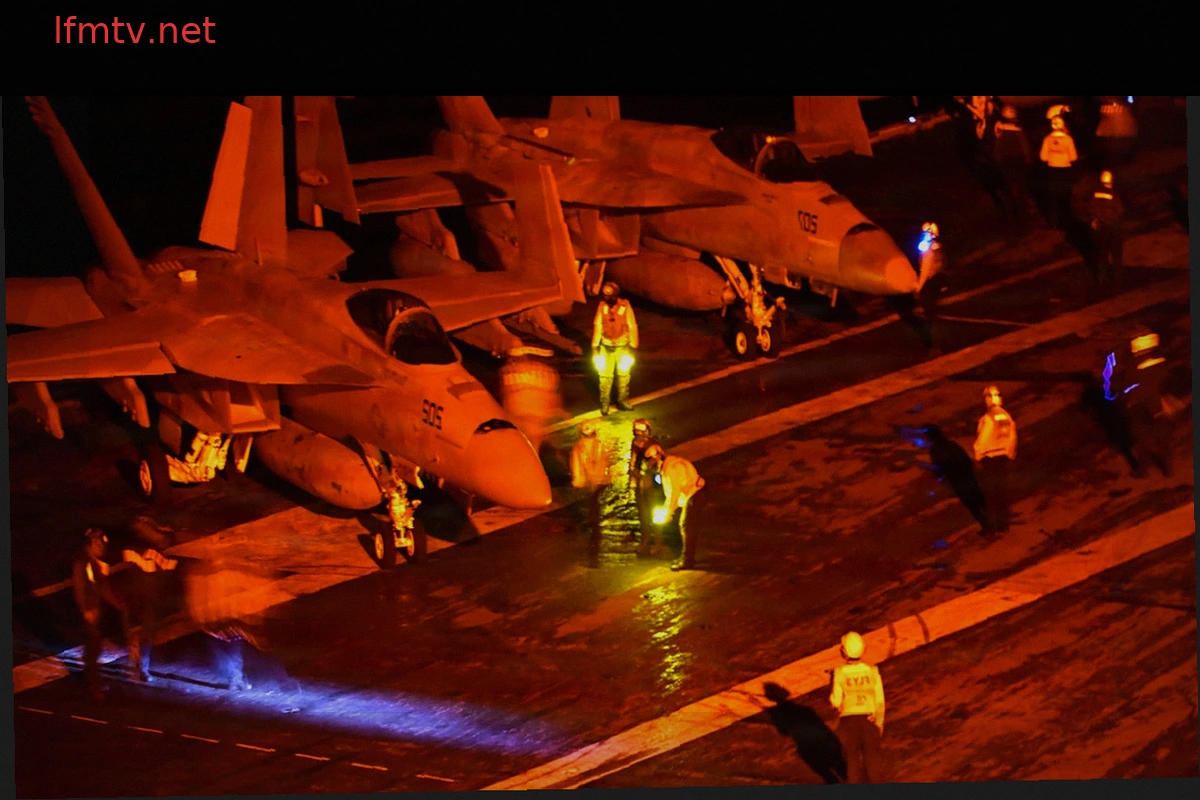
Trump Threatens to Destroy Iran's Kharg Island Oil Hub as Hostilities Escalate
U.S. forces have conducted strikes on two Iranian rocket launchers located on Larak Island. This action followed observations of Revolutionary Guard forces preparing rockets armed with sea mines for deployment into the Strait of Hormuz, according to confirmation from U.S. Central Command. N

HDFC Bank Shares Rise on News of CEO's Unexpected Departure
HDFC Bank, India's largest private lender, experienced an increase in its share price on Monday, though it later pared back its gains. This movement followed a surprise announcement from Chief Executive Sashidhar Jagdishan that he will be exiting the bank upon the conclusion of his te
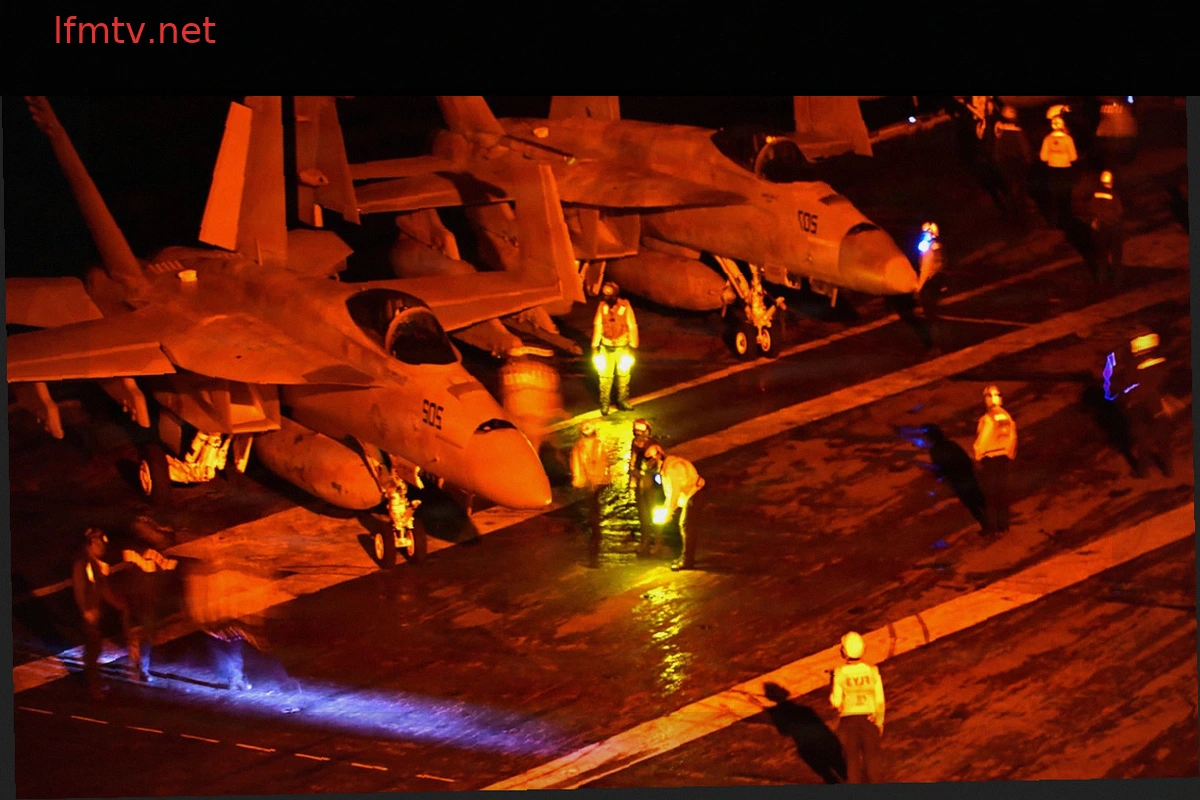
U.S. and Iran Exchange Strikes Amid Escalating Tensions
U.S. military forces carried out strikes on two Iranian rocket launchers located on Larak Island on Sunday. This action was taken following reports from the U.S. Central Command that Iranian Revolutionary Guard forces were preparing to launch rockets equipped with sea mines towards the

Aon Nears $17 Billion Deal to Acquire Insurance Broker USI from KKR
Aon is reportedly in advanced discussions to acquire USI, a prominent insurance brokerage firm, in a deal valued at approximately $17 billion, including debt. The seller is the private-equity firm KKR. According to The Wall Street Journal, the agreement could be announced as e

Key Stock Market Focus: Earnings, Cybersecurity, and Economic Data
This week, the stock market is under close observation as two prominent AI chipmakers, Broadcom and Palo Alto Networks, prepare to release their earnings. The dynamic cybersecurity landscape and the labor market will also be central themes. Here's an in-depth look at three critical areas t

Dolly Parton's Resilience: Underestimation as a Strength
For decades, Dolly Parton was surprisingly underestimated, a fact that ultimately became one of her greatest assets. In a 2015 interview at Dollywood Theme Park, the famously optimistic singer-songwriter candidly shared her past struggles with depression and feelings