U.S., Canada Near Final Trade Deal as Trump Tariff Deadline Looms
The United States and Canada are close to reaching a conclusive trade agreement, aiming to prevent the implementation of President Donald Trump's newly imposed tariffs on items such as hockey sticks and wine, which are scheduled to take effect early Saturday morning.
These retaliatory tariffs, set at 50%, were originally slated to begin on Wednesday. However, Trump announced a three-day postponement via Truth Social, allowing Washington and Ottawa additional time to finalize a preliminary accord.
Trump's announcement suggested the agreement was nearly complete, pending the finalization of documentation. Despite this, trade officials concluded additional talks in Washington on Wednesday and Thursday without a definitive agreement.
"We are very close," stated Canada-U.S. Trade Minister Dominic LeBlanc on Thursday afternoon. "We are continuing to make progress and will remain here to complete the necessary work until we achieve our objective."
LeBlanc confirmed that Canadian negotiator Janice Charette was still engaged in discussions with U.S. Trade Representative Jamieson Greer and other Trump administration officials.
"Canadians expect us to secure a deal that serves the economic interests of Canada and Canadian workers," LeBlanc added.
Should an agreement not be reached by 12:01 a.m. ET on Saturday, the 50% tariffs on approximately $20 billion worth of imports will be activated. Businesses have expressed concerns that these duties could severely impact their sales, and the mere threat has already had a detrimental effect.
Negotiators have been reticent about the specific details of the potential deal and the remaining points of contention. The New York Times reported on Thursday, citing sources familiar with the talks, that Trump's existing tariffs on Canadian steel, aluminum, and lumber remain a significant concern.
LeBlanc and his office have declined to comment to CNBC on how these metal tariffs are being addressed in the negotiations.
On Wednesday, Trump indicated that the U.S. might consider reducing these duties and suggested that lower tariffs on Canadian automobiles could also be a possibility. Additionally, Trump has floated the idea that the deal could potentially revive the Keystone XL oil pipeline project from Alberta to Nebraska, which was canceled in 2021 by then-President Joe Biden.
The Trump administration has stated that Canada has agreed to reduce its trade barriers for the U.S., though specific details have not been provided. Trump mentioned on Wednesday that Canadian tariffs "will be nonexistent for our farmers." The impending 50% tariff threat was partly a response to Canada's alleged discrimination against the U.S. dairy industry, a claim that Canada has not confirmed.
Prime Minister Mark Carney posted on X on Wednesday, stating, "We are now moving towards an agreement that reinforces that Canadian advantage, including by securing the best terms in each of Canada's most important strategic sectors and providing greater certainty about our future trading relationship."
The 50% tariffs were imposed last month under Section 338 of the Tariff Act of 1930, granting the president the authority to implement duties in retaliation for discrimination or unfair commerce. However, this law, dating back to the Great Depression, has been rarely used and largely neglected for decades.
This is a developing story. Please check back for updates.
Fresh materials — MMA News
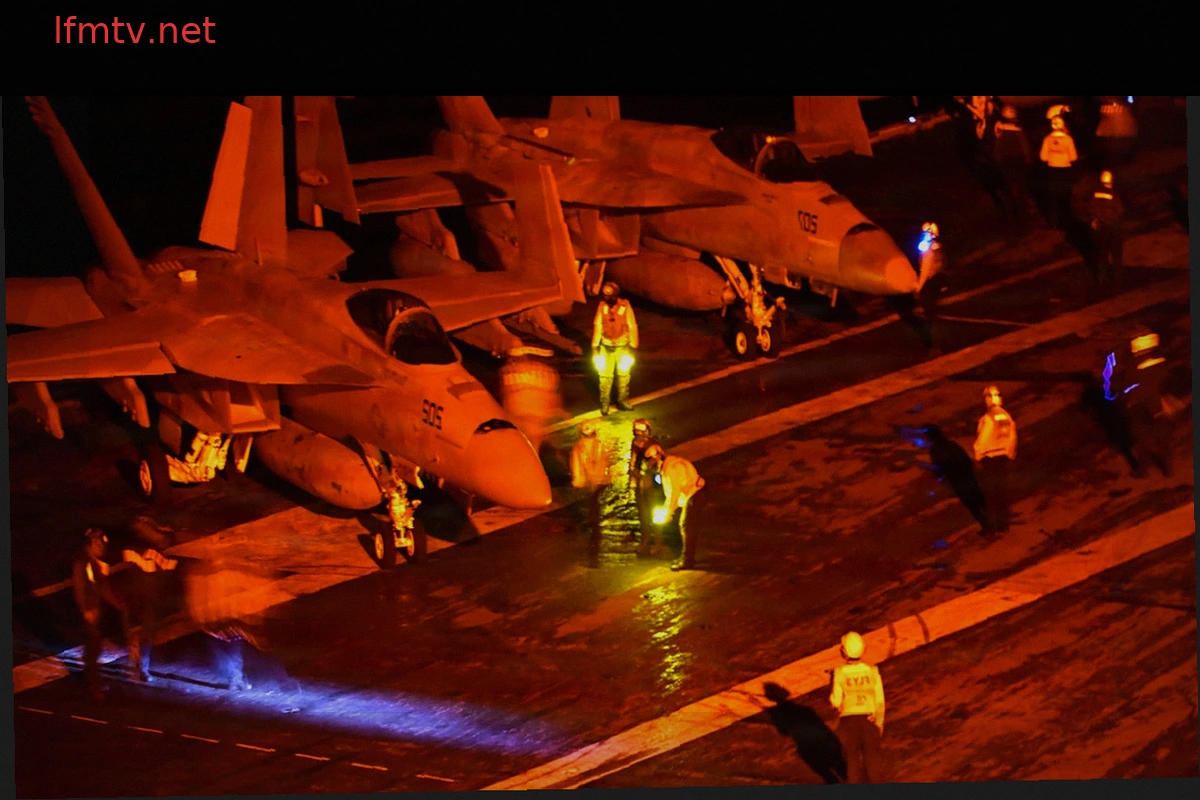
Trump Threatens to Destroy Iran's Kharg Island Oil Hub as Hostilities Escalate
U.S. forces have conducted strikes on two Iranian rocket launchers located on Larak Island. This action followed observations of Revolutionary Guard forces preparing rockets armed with sea mines for deployment into the Strait of Hormuz, according to confirmation from U.S. Central Command. N

HDFC Bank Shares Rise on News of CEO's Unexpected Departure
HDFC Bank, India's largest private lender, experienced an increase in its share price on Monday, though it later pared back its gains. This movement followed a surprise announcement from Chief Executive Sashidhar Jagdishan that he will be exiting the bank upon the conclusion of his te
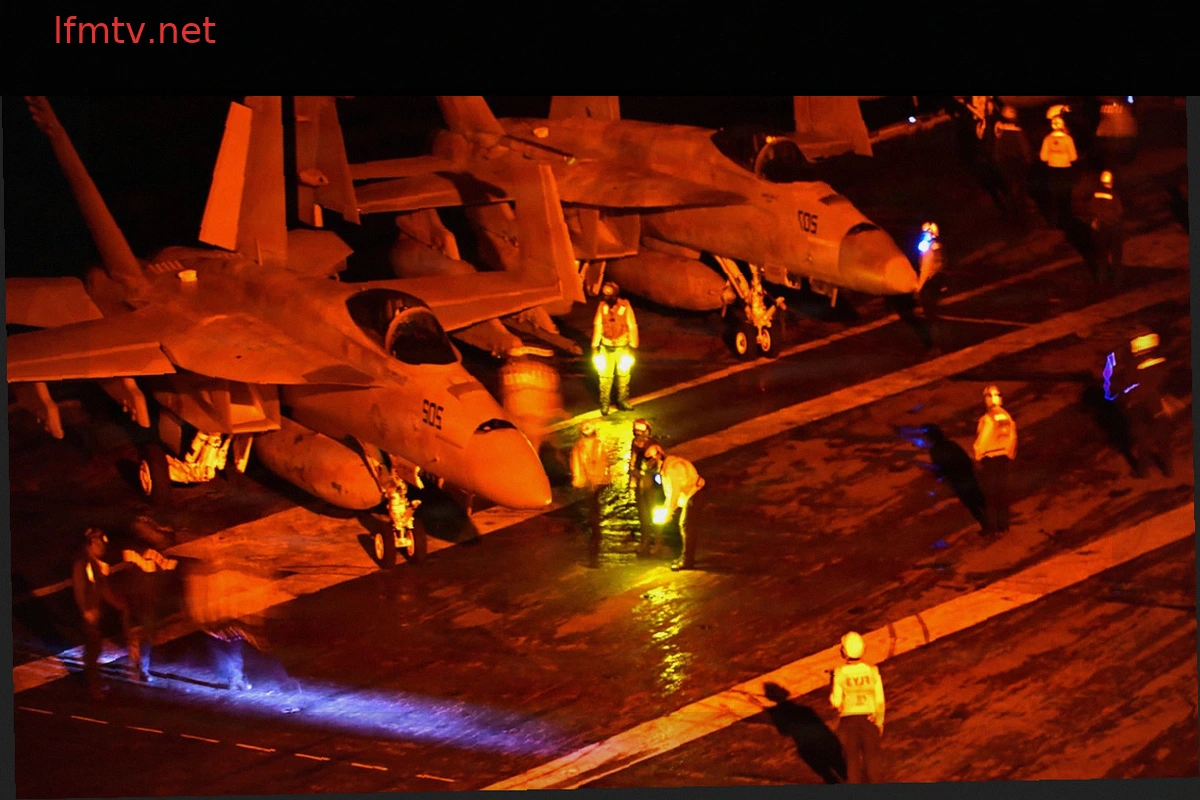
U.S. and Iran Exchange Strikes Amid Escalating Tensions
U.S. military forces carried out strikes on two Iranian rocket launchers located on Larak Island on Sunday. This action was taken following reports from the U.S. Central Command that Iranian Revolutionary Guard forces were preparing to launch rockets equipped with sea mines towards the
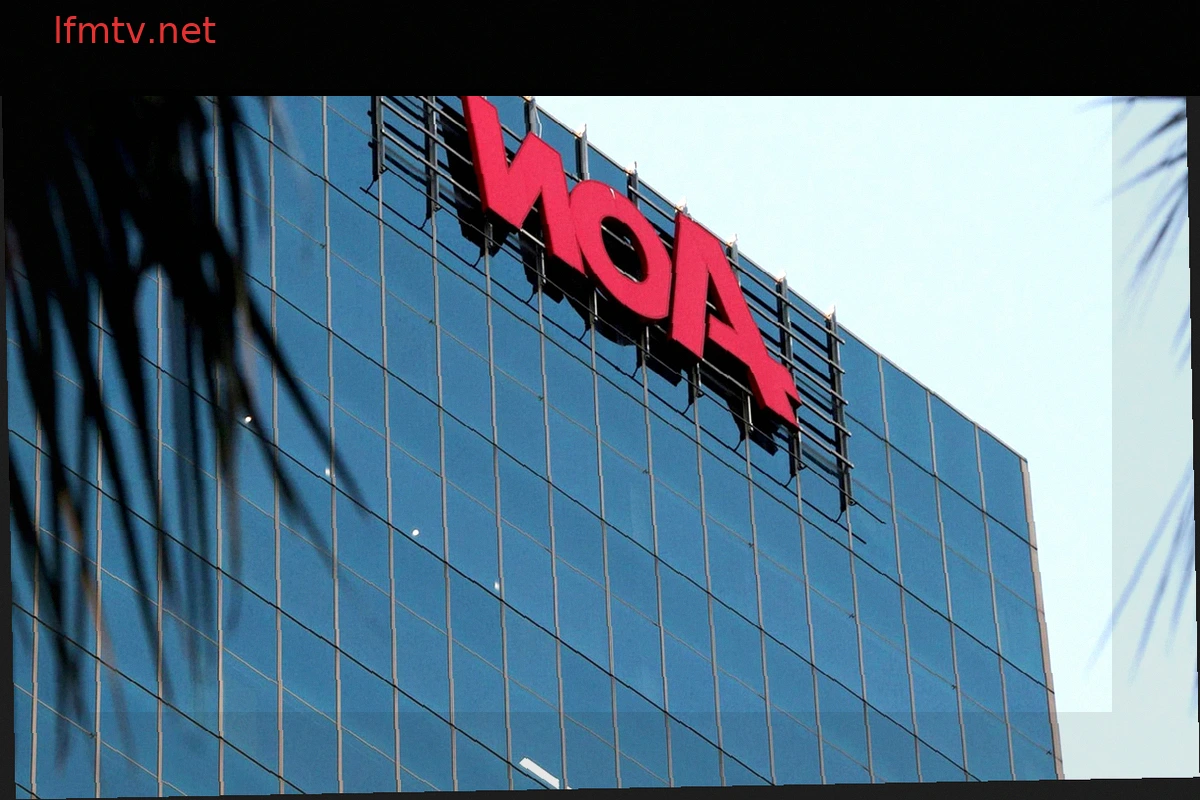
Aon Nears $17 Billion Deal to Acquire Insurance Broker USI from KKR
Aon is reportedly in advanced discussions to acquire USI, a prominent insurance brokerage firm, in a deal valued at approximately $17 billion, including debt. The seller is the private-equity firm KKR. According to The Wall Street Journal, the agreement could be announced as e
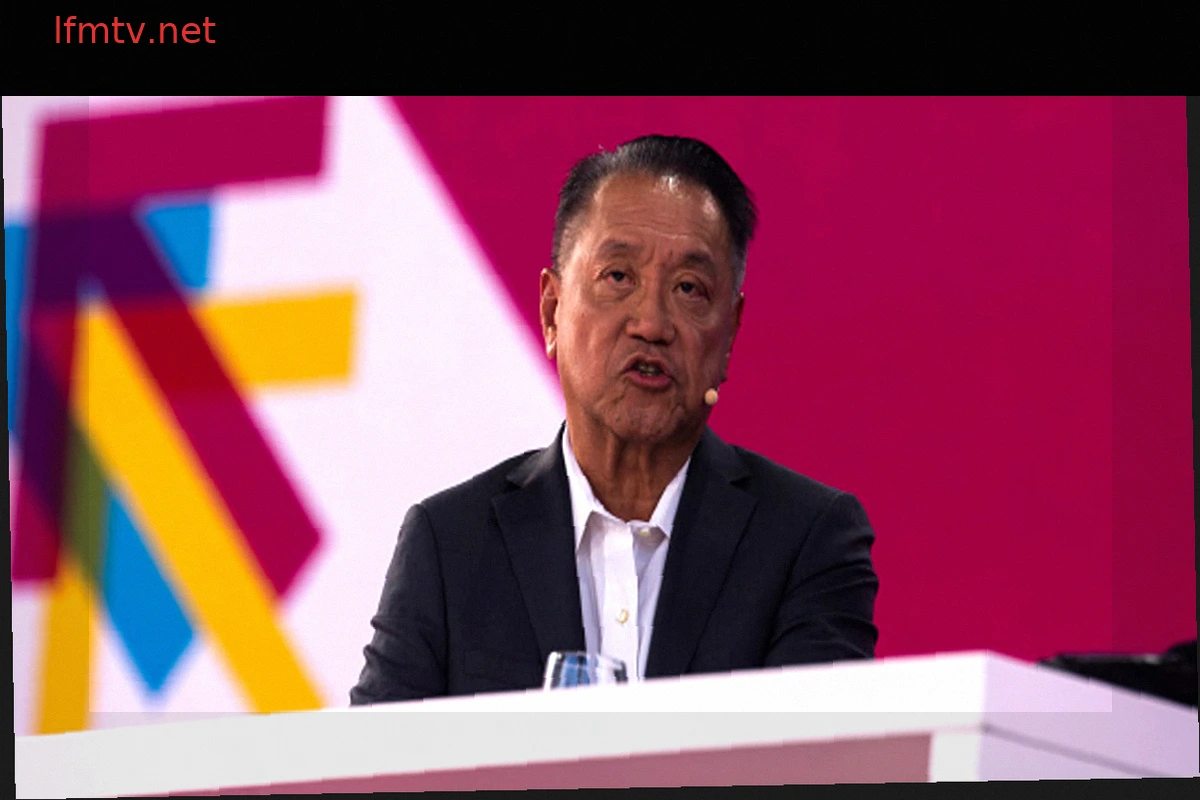
Key Stock Market Focus: Earnings, Cybersecurity, and Economic Data
This week, the stock market is under close observation as two prominent AI chipmakers, Broadcom and Palo Alto Networks, prepare to release their earnings. The dynamic cybersecurity landscape and the labor market will also be central themes. Here's an in-depth look at three critical areas t

Dolly Parton's Resilience: Underestimation as a Strength
For decades, Dolly Parton was surprisingly underestimated, a fact that ultimately became one of her greatest assets. In a 2015 interview at Dollywood Theme Park, the famously optimistic singer-songwriter candidly shared her past struggles with depression and feelings