United Airlines CEO Scott Kirby Eyes Expansion and Innovation
```html
Scott Kirby, CEO of United Airlines, asserts that he competes aggressively rather than harbors grudges, despite being previously dismissed by American Airlines a decade ago. Currently leading the second most profitable U.S. airline, Kirby has recently explored the possibility of significant mergers with both Delta and American Airlines, though these proposals have been met with skepticism and rejection.
As the airline industry grapples with rising costs and limited airport capacity, passengers are increasingly willing to pay premium prices for flights to desirable destinations. Kirby is strategically focusing on expanding United's presence, particularly at New York's John F. Kennedy International Airport (JFK), following a partnership with JetBlue Airways. The airline also aims to increase its international flight offerings, building on its existing global network which is seen as a key driver for customer loyalty and its lucrative travel rewards credit cards.
Kirby, a seasoned executive with three decades in the aviation sector, is known for his outspoken approach. He recounted how he joined United as president just 60 seconds after his departure from American Airlines in 2016, having not seen a clear path to the CEO position there. He was later promoted to CEO of United in May 2020, during the challenging COVID-19 pandemic.
Upon joining United in 2016, Kirby prioritized a thorough review of unprofitable routes and halted plans to close key bases at Los Angeles International Airport and Washington Dulles International Airport. He also engaged with then-President Donald Trump to discuss a significant revamp of Dulles.
Despite the skepticism from industry analysts and legal experts regarding potential mega-mergers with Delta or American, Kirby remains focused on United's growth. While he has ruled out acquiring smaller airlines like JetBlue, he believes the current antitrust objections to mergers are based on an outdated perception of the airline industry as a commodity. Kirby argues that airlines like Delta and United have successfully differentiated themselves through their route networks, cabin experiences, and other offerings.
Looking ahead, Kirby sees artificial intelligence as a crucial tool to enhance travel for both employees and customers, aiming to improve reliability and operational efficiency. He emphasizes a "no excuses" philosophy for the airline, even as United continues to face challenges with on-time performance. Kirby's ultimate goal is to ensure long-term stability for the airline and its employees, aiming to prevent future furloughs and to transition out of his role gracefully when the time comes.
United Airlines CEO Scott Kirby's Ambitious Vision for the Airline's Future
Scott Kirby, United Airlines CEO, does not believe in seeking retribution but rather in competing fiercely, as he stated when discussing his tenure. Having joined United as president a decade ago, shortly after departing American Airlines where he was president, Kirby now leads the second most profitable U.S. airline. He has recently explored the prospect of significant mergers with both Delta Air Lines and American Airlines, ventures that have so far been unsuccessful and met with antitrust concerns.
Kirby's strategic outlook is influenced by rising industry costs, limited airport infrastructure, and a growing demand for premium travel experiences. He is keen on expanding United's presence at New York's John F. Kennedy International Airport (JFK) through a partnership with JetBlue Airways, aiming to reclaim a significant footprint. The airline also intends to bolster its international route network, a strategy that has historically driven customer loyalty and the uptake of its premium travel rewards credit cards.
A prominent figure in the airline industry, Kirby's directness is well-known. He shared an anecdote about his swift transition to United, stating it took merely 60 seconds. He was promoted to CEO in May 2020, during the unprecedented crisis of the COVID-19 pandemic.
Since joining United in 2016, Kirby's initial focus was to optimize the airline's operations by analyzing and potentially divesting from money-losing routes. He also played a role in preventing the closure of key operational bases at Los Angeles International Airport and Washington Dulles International Airport, recognizing their strategic importance. His engagement extended to discussions with former President Donald Trump regarding a substantial redevelopment of Dulles.
While merger discussions with Delta and American have stalled, with American publicly rejecting United's offer, Kirby maintains his belief in the potential benefits of consolidation. He has, however, clarified that he is not interested in acquiring smaller carriers like JetBlue. Kirby argues that objections to airline mergers often stem from a misconception that the industry operates as a commodity, asserting that airlines like United and Delta have successfully differentiated their services and products.
Looking towards the future of travel, Kirby champions the integration of artificial intelligence to enhance both operational efficiency and the customer experience, aiming to improve reliability in an inherently unpredictable industry. He emphasizes accountability and a commitment to minimizing disruptions. Kirby remains focused on the long-term strategic direction of United, with a primary objective of ensuring job security for its employees and avoiding future furloughs.
Scott Kirby's Vision: United Airlines' Future from JFK to AI
Scott Kirby, CEO of United Airlines, emphasizes his commitment to aggressive competition rather than personal vendettas, recalling his departure from American Airlines a decade ago. He now leads the second most profitable U.S. airline and has recently proposed major mergers with Delta Air Lines and American Airlines, though these ideas have faced significant opposition.
Amidst rising industry costs and limited airport capacity, Kirby is focusing on expanding United's presence, particularly at New York's JFK airport, through a partnership with JetBlue Airways. The airline also plans to increase its international flight offerings, leveraging its global network to foster customer loyalty and drive demand for its lucrative travel rewards credit cards.
Kirby, a veteran executive, described his rapid transition to United as president in 2016, joining the airline just moments after leaving American Airlines. He was later appointed CEO in May 2020, during the critical period of the COVID-19 pandemic.
Upon his arrival at United in 2016, Kirby initiated a review of the airline's routes and prevented the closure of bases at Los Angeles International Airport and Washington Dulles International Airport, recognizing their strategic importance. He also met with President Donald Trump to discuss a significant renovation of Dulles.
While potential mergers with Delta and American have been rejected, Kirby remains open to strategic consolidation, though he is not interested in acquiring smaller airlines. He believes that the current antitrust concerns are based on an outdated view of the airline industry, asserting that airlines like United and Delta have successfully differentiated their services.
Kirby envisions a future where artificial intelligence plays a key role in improving travel for both customers and employees, aiming to enhance reliability and customer service. He is focused on long-term stability for United Airlines and its workforce, with the goal of preventing future furloughs.
Scott Kirby's Ambitious Outlook: United Airlines Eyes Growth and AI Integration
United Airlines CEO Scott Kirby, a decade into his leadership, articulates a vision centered on aggressive competition and significant expansion, rather than past grievances. Despite having been previously dismissed by American Airlines, where he served as president, Kirby has steered United to become the second most profitable U.S. airline. He has recently pursued ambitious merger proposals with both Delta Air Lines and American Airlines, ventures that have thus far been met with skepticism and outright rejection by the respective carriers.
Kirby's strategic focus is shaped by the industry's increasing operational costs and infrastructure constraints, coupled with a growing consumer willingness to invest in premium travel experiences. He is particularly intent on expanding United's footprint at New York's JFK International Airport, secured through a strategic alliance with JetBlue Airways. Furthermore, the airline plans to amplify its international route network, a move designed to bolster customer loyalty and enhance the appeal of its highly sought-after travel rewards credit cards.
A prominent and outspoken figure in aviation, Kirby recounted his swift move to United in 2016, joining as president just moments after his departure from American Airlines. He ascended to the CEO role in May 2020, navigating the airline through the unprecedented challenges of the COVID-19 pandemic.
Upon his arrival at United in 2016, Kirby’s initial priority was a comprehensive evaluation of the airline’s route network, leading to the preservation of key operational hubs at Los Angeles International Airport and Washington Dulles International Airport. He also engaged in discussions with then-President Donald Trump concerning a substantial redevelopment project for Dulles.
While merger discussions with Delta and American have concluded without a deal, with American publicly rebuffing United's offer, Kirby remains receptive to the strategic advantages of consolidation. He has, however, explicitly stated his disinterest in acquiring smaller airlines such as JetBlue. Kirby contends that objections to airline mergers often stem from a fundamental misunderstanding of the sector, asserting that United and Delta have successfully cultivated distinct service offerings and customer experiences.
Looking ahead, Kirby champions the transformative potential of artificial intelligence in both enhancing operational efficiency and elevating the customer journey, with a strong emphasis on improving travel reliability. He advocates for a culture of accountability within the airline, striving to minimize disruptions. Kirby's overarching objective is to secure the long-term prosperity of United Airlines and its workforce, with a clear aim to prevent future employee furloughs.
United Airlines CEO Scott Kirby: A Decade of Big Thinking, From JFK to AI
Scott Kirby, CEO of United Airlines, emphasizes his focus on aggressive competition rather than past grievances, reflecting on his decade at the helm. After being let go by American Airlines where he served as president, Kirby joined United in 2016 and now leads the second most profitable U.S. airline. He has recently explored significant merger possibilities with both Delta Air Lines and American Airlines, though these proposals have faced substantial headwinds and skepticism.
Kirby is formulating a bold strategy for United's future, considering the industry's rising costs and infrastructure limitations, alongside a growing customer demand for premium travel. A key focus is expanding United's presence at New York's JFK International Airport through a partnership with JetBlue Airways. The airline also plans to enhance its international network, a strategy that has proven effective in building customer loyalty and driving engagement with its lucrative travel rewards credit cards.
Known for his direct communication style, Kirby shared that his transition to United as president in 2016 was remarkably swift. He was later promoted to CEO in May 2020, during the critical period of the COVID-19 pandemic.
Upon joining United in 2016, Kirby's initial priority was to analyze and optimize the airline's route network, a move that also involved preventing the closure of vital bases at Los Angeles International Airport and Washington Dulles International Airport. He also engaged with then-President Donald Trump regarding a significant renovation of Dulles.
Despite merger talks with Delta and American not materializing, with American publicly rejecting United's offer, Kirby remains open to strategic consolidation but has ruled out acquiring smaller carriers like JetBlue. He argues that concerns about antitrust issues often stem from a static view of the airline industry, asserting that United and Delta have successfully differentiated their offerings.
Looking ahead, Kirby champions the integration of artificial intelligence to improve operational efficiency and enhance the customer travel experience, aiming for greater reliability. He is committed to a philosophy of accountability and is focused on the long-term stability of United Airlines and its employees, with the goal of preventing future furloughs.
United CEO Scott Kirby: Looking to the Future from JFK to AI
Scott Kirby, CEO of United Airlines, asserts that his approach is one of aggressive competition rather than retribution, a sentiment he expressed when reflecting on his past at American Airlines. Ten years after joining United as president, Kirby now leads the second most profitable U.S. airline. He has recently explored significant merger possibilities with both Delta Air Lines and American Airlines, though these potential unions have been met with resistance.
Kirby is embracing a forward-looking strategy for United, acknowledging the industry's challenges, including rising costs and limited airport infrastructure. He sees a growing consumer willingness to pay for premium travel experiences. A key element of his plan involves expanding United's presence at New York's JFK International Airport through a partnership with JetBlue Airways. The airline also aims to bolster its international network, a strategy that has historically driven customer loyalty and the adoption of its premium travel rewards credit cards.
Kirby, a seasoned executive, described his swift transition to United as president in 2016, joining the airline mere moments after his departure from American Airlines. He was subsequently promoted to CEO in May 2020, during the unprecedented crisis of the COVID-19 pandemic.
Upon his arrival at United in 2016, Kirby prioritized a thorough review of the airline's operations, including its routes, and played a role in keeping key bases at Los Angeles International Airport and Washington Dulles International Airport open. He also participated in discussions with former President Donald Trump concerning a major redevelopment of Dulles.
While merger talks with Delta and American did not advance, with American publicly rejecting United's proposal, Kirby remains open to strategic consolidation but has stated he is not interested in acquiring smaller airlines like JetBlue. He believes that the current arguments against airline mergers are based on an outdated perception of the industry, emphasizing that United and Delta have successfully created distinct product offerings.
Looking ahead, Kirby is a strong proponent of artificial intelligence, believing it will significantly improve travel for both employees and customers by enhancing reliability and efficiency. He is committed to a philosophy of accountability and is focused on securing the long-term future of United Airlines and its workforce, aiming to prevent future furloughs.
Fresh materials — MMA News
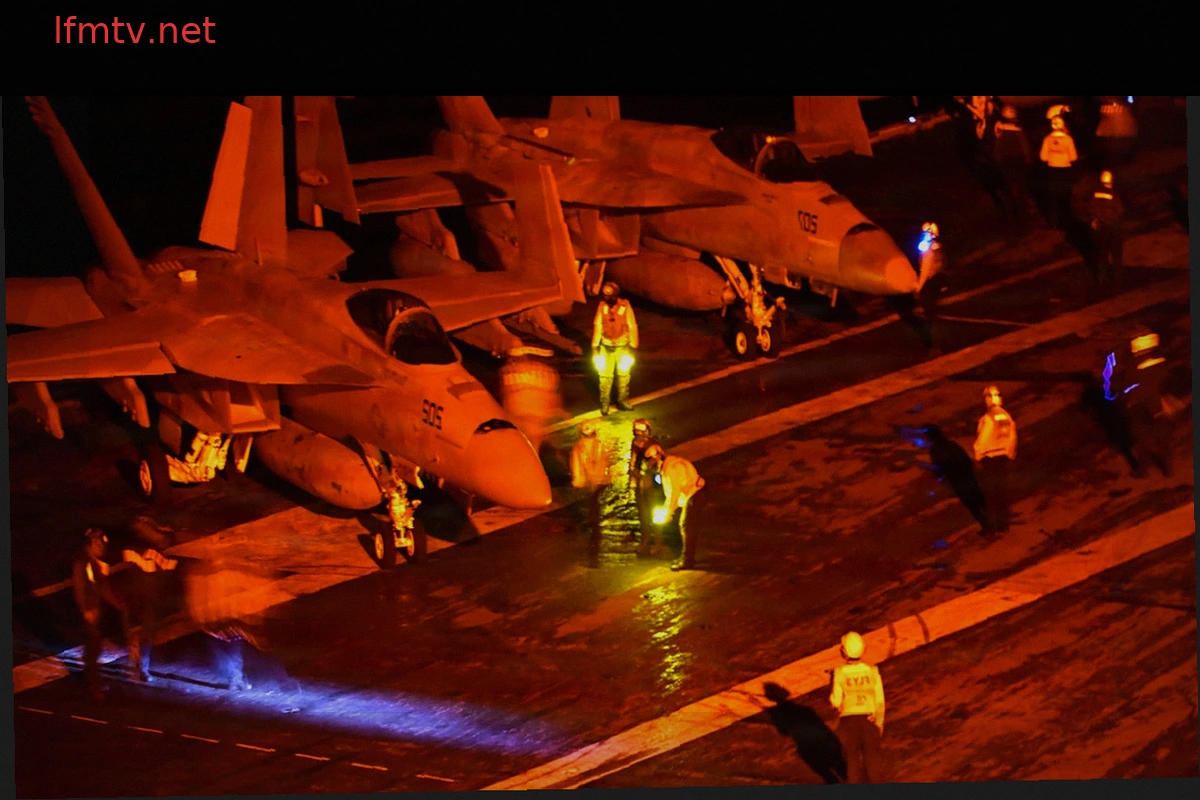
Trump Threatens to Destroy Iran's Kharg Island Oil Hub as Hostilities Escalate
U.S. forces have conducted strikes on two Iranian rocket launchers located on Larak Island. This action followed observations of Revolutionary Guard forces preparing rockets armed with sea mines for deployment into the Strait of Hormuz, according to confirmation from U.S. Central Command. N
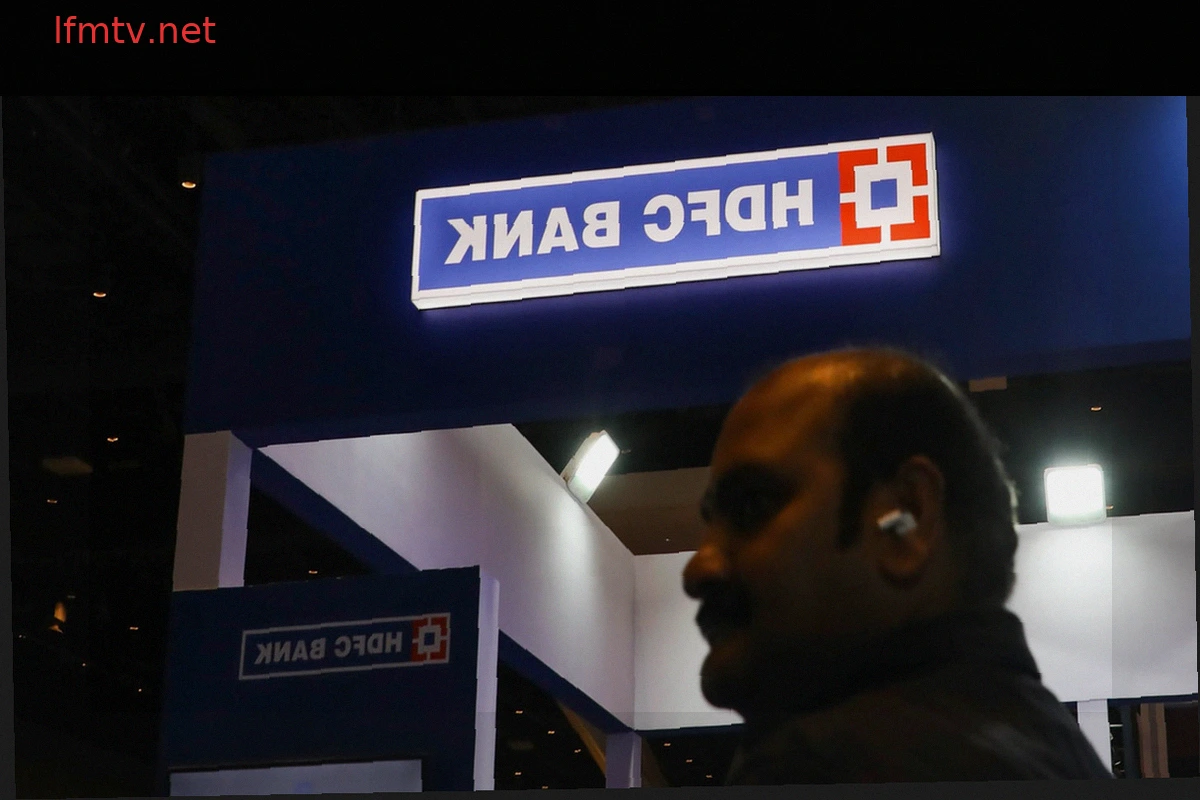
HDFC Bank Shares Rise on News of CEO's Unexpected Departure
HDFC Bank, India's largest private lender, experienced an increase in its share price on Monday, though it later pared back its gains. This movement followed a surprise announcement from Chief Executive Sashidhar Jagdishan that he will be exiting the bank upon the conclusion of his te
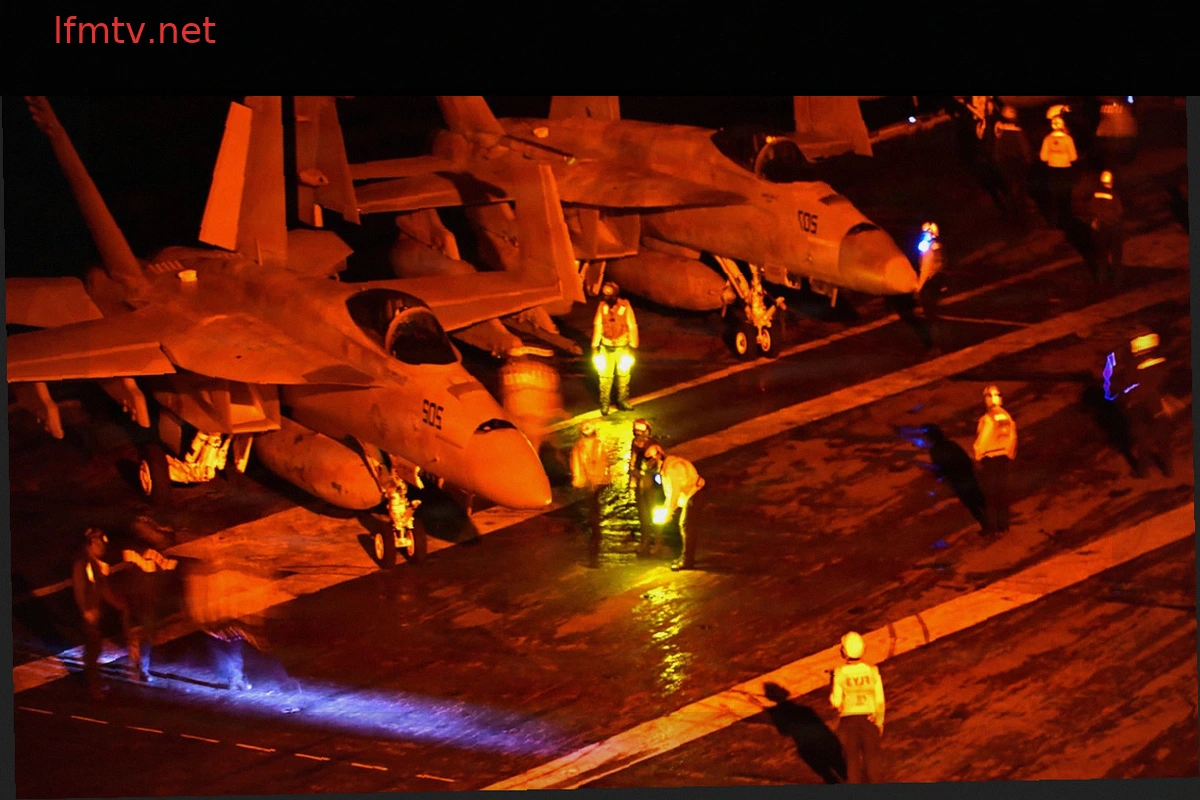
U.S. and Iran Exchange Strikes Amid Escalating Tensions
U.S. military forces carried out strikes on two Iranian rocket launchers located on Larak Island on Sunday. This action was taken following reports from the U.S. Central Command that Iranian Revolutionary Guard forces were preparing to launch rockets equipped with sea mines towards the
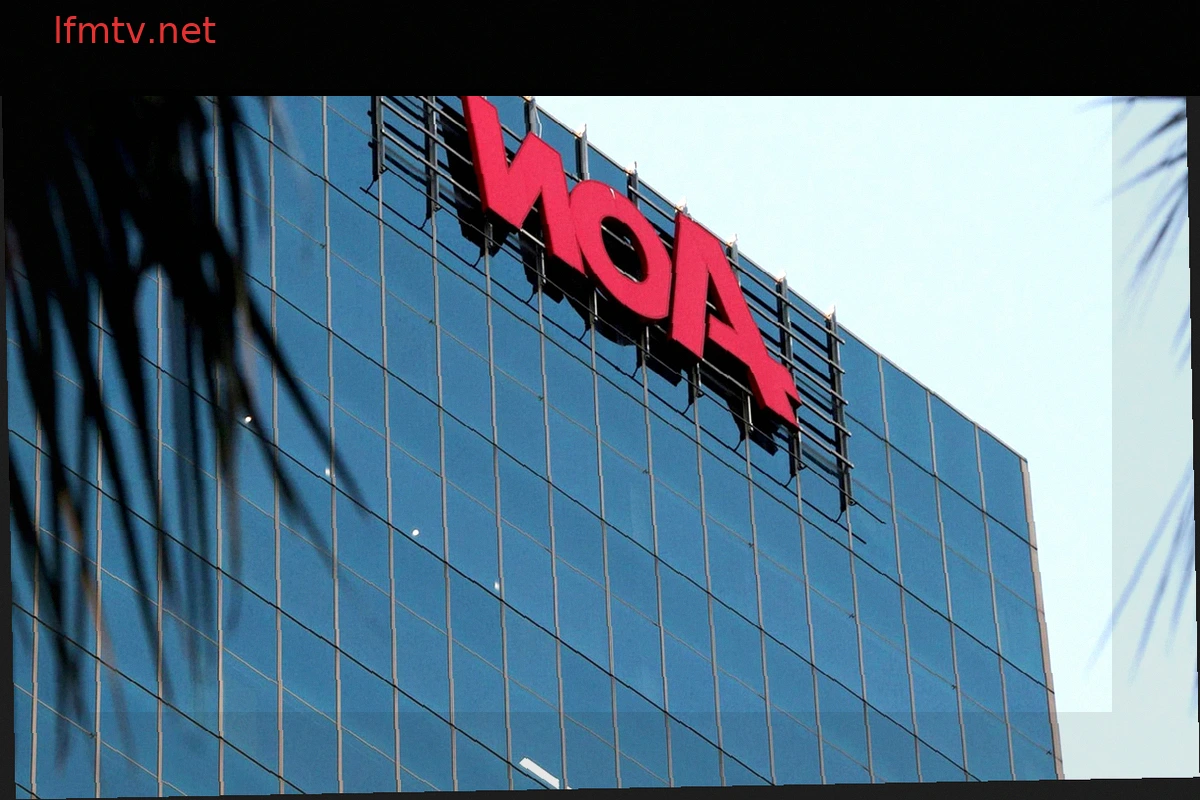
Aon Nears $17 Billion Deal to Acquire Insurance Broker USI from KKR
Aon is reportedly in advanced discussions to acquire USI, a prominent insurance brokerage firm, in a deal valued at approximately $17 billion, including debt. The seller is the private-equity firm KKR. According to The Wall Street Journal, the agreement could be announced as e
Key Stock Market Focus: Earnings, Cybersecurity, and Economic Data
This week, the stock market is under close observation as two prominent AI chipmakers, Broadcom and Palo Alto Networks, prepare to release their earnings. The dynamic cybersecurity landscape and the labor market will also be central themes. Here's an in-depth look at three critical areas t

Dolly Parton's Resilience: Underestimation as a Strength
For decades, Dolly Parton was surprisingly underestimated, a fact that ultimately became one of her greatest assets. In a 2015 interview at Dollywood Theme Park, the famously optimistic singer-songwriter candidly shared her past struggles with depression and feelings