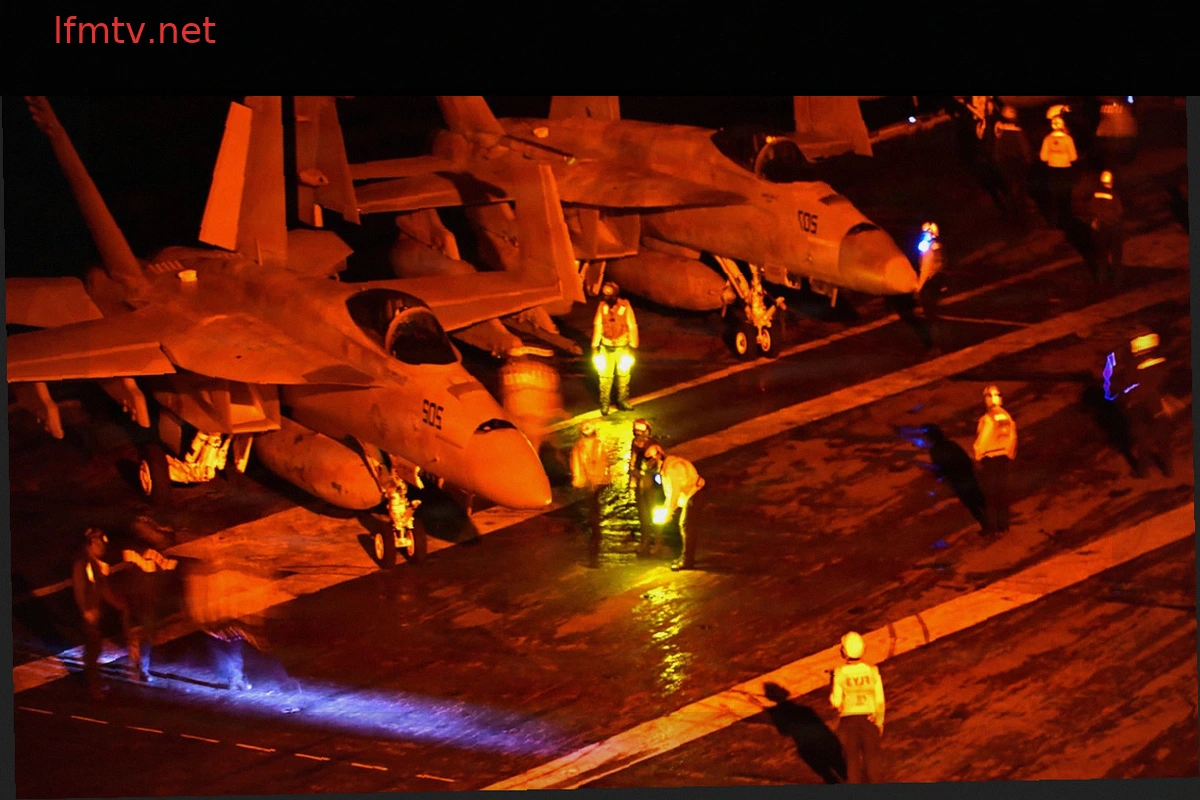
President Donald Trump's decision to significantly scale back joint military exercises between the United States and South Korea carries implications beyond just the operational readiness of the two nations' forces. It also risks eroding the reliability of American commitments to its allies.
Lieutenant General Chun In-Bum, former commander of South Korea's Special Warfare Command, sharply criticized the move, stating, "Scaling back joint exercises like Ulchi Freedom Shield while North Korean troops gain combat experience in Ukraine creates a dangerous operational disconnect."
Ukrainian President Volodymyr Zelenskyy indicated earlier this month that Pyongyang has been sending up to an additional 50,000 troops to support Moscow, suggesting a steady increase in North Korean forces engaged against Kyiv.
The joint Ulchi Freedom Shield exercise, which commenced on August 17th, is now slated to conclude on Friday, earlier than its originally scheduled end date of August 27th. This alteration follows President Trump's directive to Defense Secretary Pete Hegseth to "substantially reduce" joint drills with Seoul, with the aim of avoiding the dispatch of a "totally inappropriate and hostile" signal to North Korea. Reports suggest this decision caught Seoul by surprise.
General Chun noted that North Korean troops are refining modern tactics, including drone warfare, electronic warfare, and artillery integration, in live combat situations. He emphasized that the U.S.-South Korea alliance relies on major exercises to rigorously test its systems and adapt to these evolving threats.
"Restricting readiness testing for political gestures weakens joint counter-measures and undermines deterrence precisely as the adversary's battlefield proficiency expands," he stated.
Conversely, a U.S. official informed Reuters that the scaled-down drills would still maintain essential readiness and training objectives, without negatively impacting American training goals.
Credibility in Question
While the immediate consequence is a reduction in the alliance's combat readiness, experts believe Trump's action will also raise doubts about the trustworthiness of Washington's commitment to its alliances.
"[The move] significantly undermines the credibility of the U.S. security commitment at a time when confidence in that commitment is already near one of its lowest points in recent history."
Lami Kim
Korea Chair in Advanced Technologies, National Security and Defence, IISS
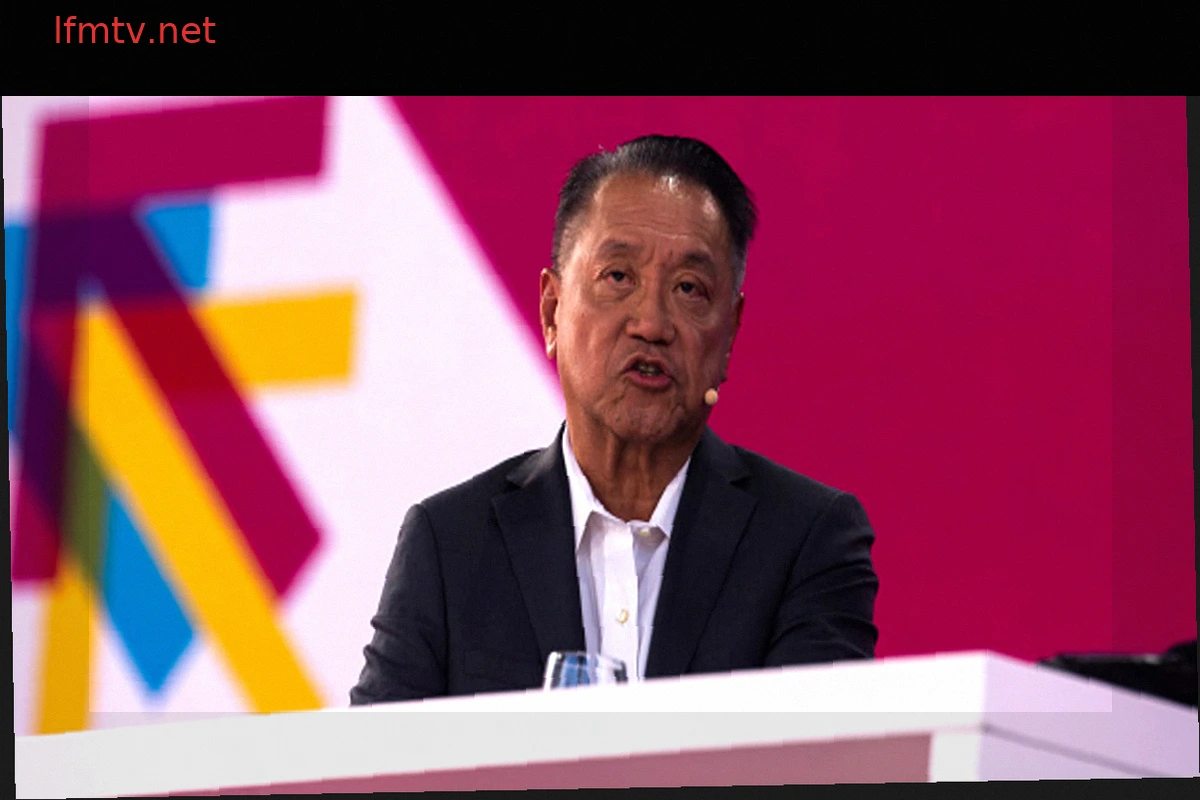
Lami Kim, Korea Chair in Advanced Technologies, National Security and Defence at the International Institute for Strategic Studies, stated that this action "significantly undermines the credibility of the U.S. security commitment at a time when confidence in that commitment is already near one of its lowest points in recent history."
Speaking at the White House on Wednesday, Trump reiterated his position, calling the joint exercises "very insulting to somebody that, frankly, has been, during my term at least, very well-behaved." This is not the first instance of Trump suspending joint exercises to foster improved relations with North Korea; during his first term, he also halted exercises while engaging in negotiations with Pyongyang.
Henry Haggard, a former U.S. diplomat in Seoul, shares Kim's perspective. Haggard suggested that this move could foster apprehension among allies regarding the predictability and dependability of the U.S. alliance guarantee.
"This announced reduction appears to be a bad overall strategic move given Ukraine, Iran ... some allies, Korea among them, are struggling to understand U.S. positions vis a vis Russia, North Korea and even China," Haggard commented.
However, some experts view the reduction in military drills positively, positing that if joint exercises escalate tensions, then reducing them could decrease the likelihood of conflict.
Jennifer Kavanagh, senior fellow and director of military analysis at Defense Priorities, told CNBC that for both the United States and South Korea, a decrease in military exercises could contribute to a more stable and less confrontational military environment.
She noted that following U.S. military exercises in Asia, "countries like China or North Korea respond accordingly, increasing their military activity in the region, conducting their own exercises, or testing new weapons and missiles."
Pyongyang offered no immediate concessions in response to the drill cuts. Kim Yo Jong, sister of North Korean leader Kim Jong Un and director of the ruling party's central committee, stated on Thursday that, "If the U.S. calculates that it can propagate its recent measure as the one of so-called good faith, they will not get [their] desired answer." She added that North Korea paid more attention to the fact that the drills were already scheduled, rather than the reduction itself, viewing it as "an obvious expression of open hostility."