Trump Administration Launches Global Sanctions Against Iran, Signals China Not Exempt
The Trump administration announced a strategy on Monday aimed at economically isolating Iran by threatening secondary sanctions against entities that support the Islamic Republic. Treasury Secretary Scott Bessent described the initiative, named 'Operation Economic Outcast,' as an 'economic onslaught against Iran's financial connections around the globe.' President Trump is reportedly contacting world leaders to urge them to reduce their interactions with Iran.
These sanctions have not yet been implemented. Instead, the U.S. will begin by providing countries with timelines to cease identified activities. Bessent stated that any organization involved in money laundering for Iran will be excluded from the U.S. dollar system, marking the start of this intensified pressure.
The plan, previously referred to by President Trump as Iran's 'Economic D-Day,' immediately raised questions about potential sanctions against China, Iran's primary trading partner. This comes amid a fragile trade truce between Washington and Beijing, following a trade war last year. Despite recent high-level meetings and planned future discussions between Presidents Trump and Xi Jinping, Bessent indicated that China would not be immune to these sanctions.
When asked about targeting Chinese banks, Bessent emphasized that no one is beyond the reach of U.S. sanctions. He added that any entity facilitating transactions that convert Iranian oil into funds for repression would be targeted.
This economic offensive against Iran occurs as the U.S. conflict with Tehran approaches its six-month mark without any clear signs of military or diplomatic resolution. A ceasefire agreement from June was largely disregarded before its expiration, and the Strait of Hormuz, a critical oil trade route, continues to provide Iran with leverage and operates at a reduced capacity. Reports suggest that U.S. weapon stockpiles may be depleted, with fewer strikes against Iran in recent weeks.
Bessent reiterated that the new U.S. objective is to cut off all economic lifelines supporting the Iranian regime until Tehran is isolated. This includes entities involved in buying or transporting Iranian oil, facilitating its financial transactions, accepting its flights, and enabling its maritime transfers. The scope of U.S. sanctions is also being broadened to encompass participants in Iran's digital asset, technology, gold, aviation, and shipping sectors.
Fresh materials — MMA News
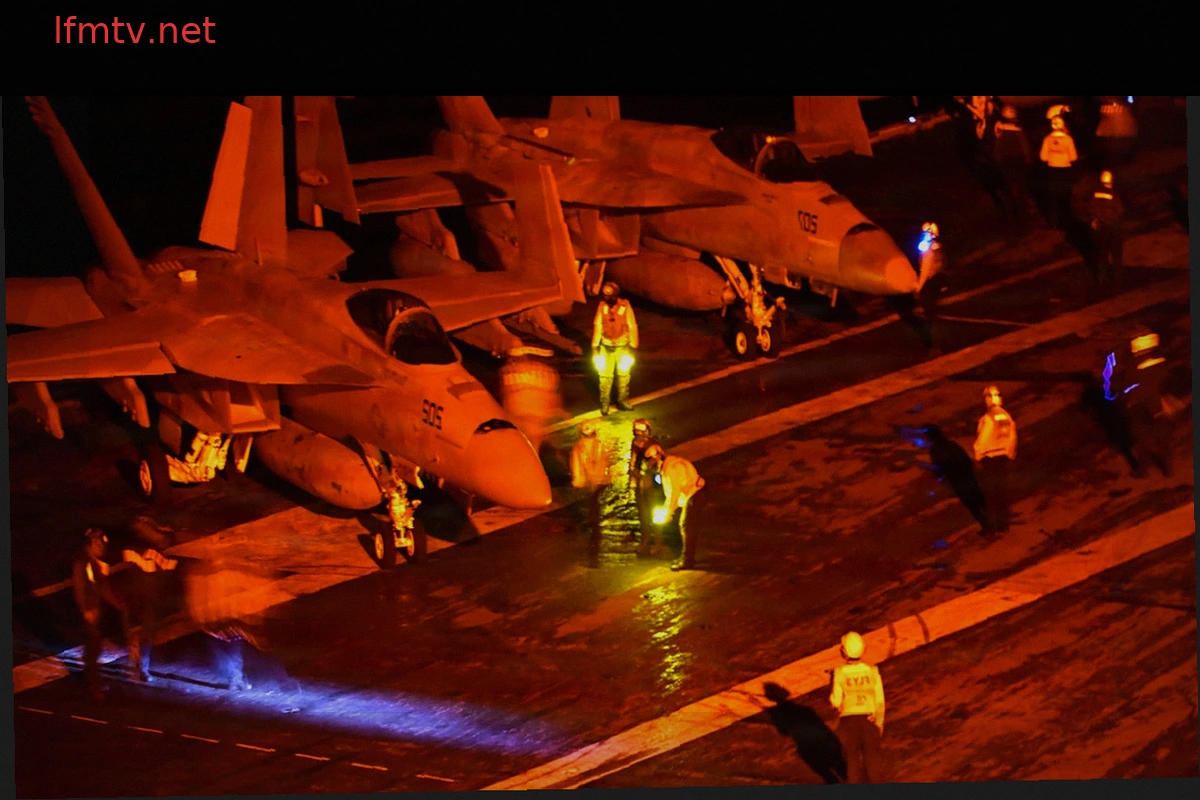
Trump Threatens to Destroy Iran's Kharg Island Oil Hub as Hostilities Escalate
U.S. forces have conducted strikes on two Iranian rocket launchers located on Larak Island. This action followed observations of Revolutionary Guard forces preparing rockets armed with sea mines for deployment into the Strait of Hormuz, according to confirmation from U.S. Central Command. N
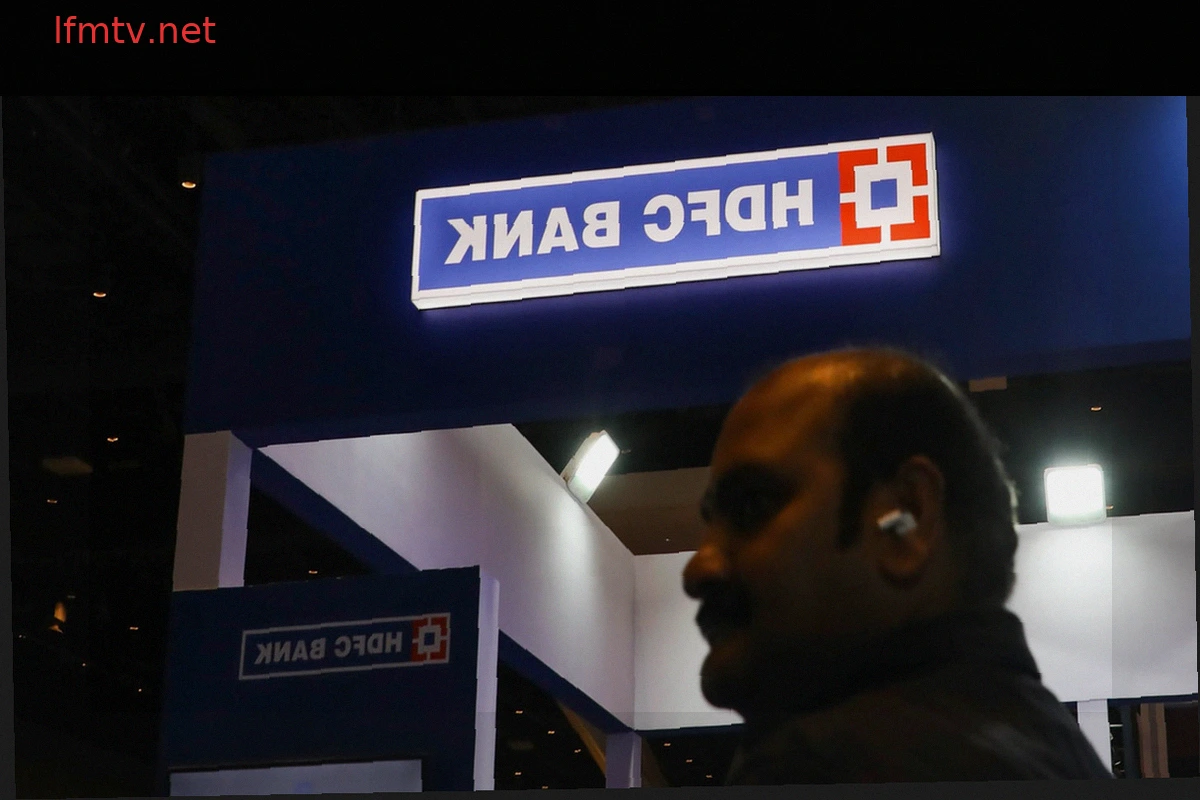
HDFC Bank Shares Rise on News of CEO's Unexpected Departure
HDFC Bank, India's largest private lender, experienced an increase in its share price on Monday, though it later pared back its gains. This movement followed a surprise announcement from Chief Executive Sashidhar Jagdishan that he will be exiting the bank upon the conclusion of his te
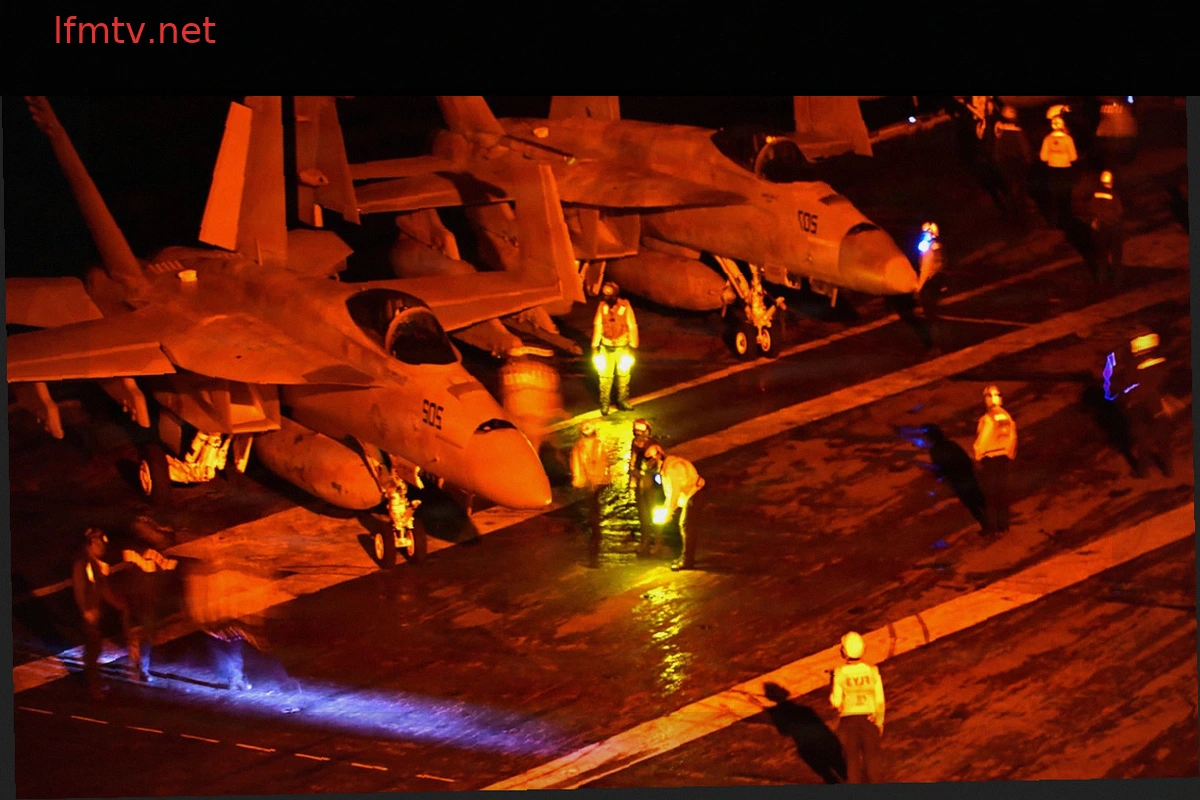
U.S. and Iran Exchange Strikes Amid Escalating Tensions
U.S. military forces carried out strikes on two Iranian rocket launchers located on Larak Island on Sunday. This action was taken following reports from the U.S. Central Command that Iranian Revolutionary Guard forces were preparing to launch rockets equipped with sea mines towards the
Aon Nears $17 Billion Deal to Acquire Insurance Broker USI from KKR
Aon is reportedly in advanced discussions to acquire USI, a prominent insurance brokerage firm, in a deal valued at approximately $17 billion, including debt. The seller is the private-equity firm KKR. According to The Wall Street Journal, the agreement could be announced as e
Key Stock Market Focus: Earnings, Cybersecurity, and Economic Data
This week, the stock market is under close observation as two prominent AI chipmakers, Broadcom and Palo Alto Networks, prepare to release their earnings. The dynamic cybersecurity landscape and the labor market will also be central themes. Here's an in-depth look at three critical areas t

Dolly Parton's Resilience: Underestimation as a Strength
For decades, Dolly Parton was surprisingly underestimated, a fact that ultimately became one of her greatest assets. In a 2015 interview at Dollywood Theme Park, the famously optimistic singer-songwriter candidly shared her past struggles with depression and feelings