Treasury Yields Decline Amidst Market Concerns and Fed Outlook
Treasury yields experienced a downward trend on Monday as market participants awaited Federal Reserve Chair Kevin Warsh's significant keynote address at the upcoming Jackson Hole symposium. This gathering occurs against a backdrop of considerable pressure in the bond market, persistent inflationary challenges, and a rapidly escalating U.S. national debt.
The yield on the 10-year Treasury note, a key benchmark for various consumer debts including mortgages, auto loans, and credit card obligations, decreased by over two basis points, settling at 4.7120%.
Similarly, the yield for the 30-year Treasury note also saw a drop of more than two basis points, closing at 5.2497%. The yield on the 2-year Treasury note, which tends to mirror short-term interest rate decisions by the Federal Reserve, fell by over one basis point to 4.7120%.
For context, one basis point is equivalent to 0.01%, or one-hundredth of a percent. It's important to note that yields and prices in the bond market move in opposite directions.
Earlier in the week, both the 30-year and 10-year Treasury note yields had concluded Friday with an increase of more than three basis points.
Borrowing costs reached multi-decade highs in the preceding week following the Treasury Department's announcement of an expanded debt buyback initiative, intended to alleviate pressure on the longer end of the yield curve. While yields initially dipped, they subsequently rebounded.
Central bankers and economic experts are set to convene at the annual Jackson Hole Symposium this week. Traders are particularly focused on Federal Reserve Chair Kevin Warsh's address, scheduled for Friday, given the ongoing inflationary pressures and the United States' substantial $40 trillion debt that looms over the event.
Warsh's speech will be delivered subsequent to the release of a series of crucial economic data points, including the July core PCE price index, which is the Federal Reserve's preferred measure of inflation, and the second-quarter Gross Domestic Product (GDP) estimate.
Fresh materials — MMA News

Trump Threatens to Destroy Iran's Kharg Island Oil Hub as Hostilities Escalate
U.S. forces have conducted strikes on two Iranian rocket launchers located on Larak Island. This action followed observations of Revolutionary Guard forces preparing rockets armed with sea mines for deployment into the Strait of Hormuz, according to confirmation from U.S. Central Command. N
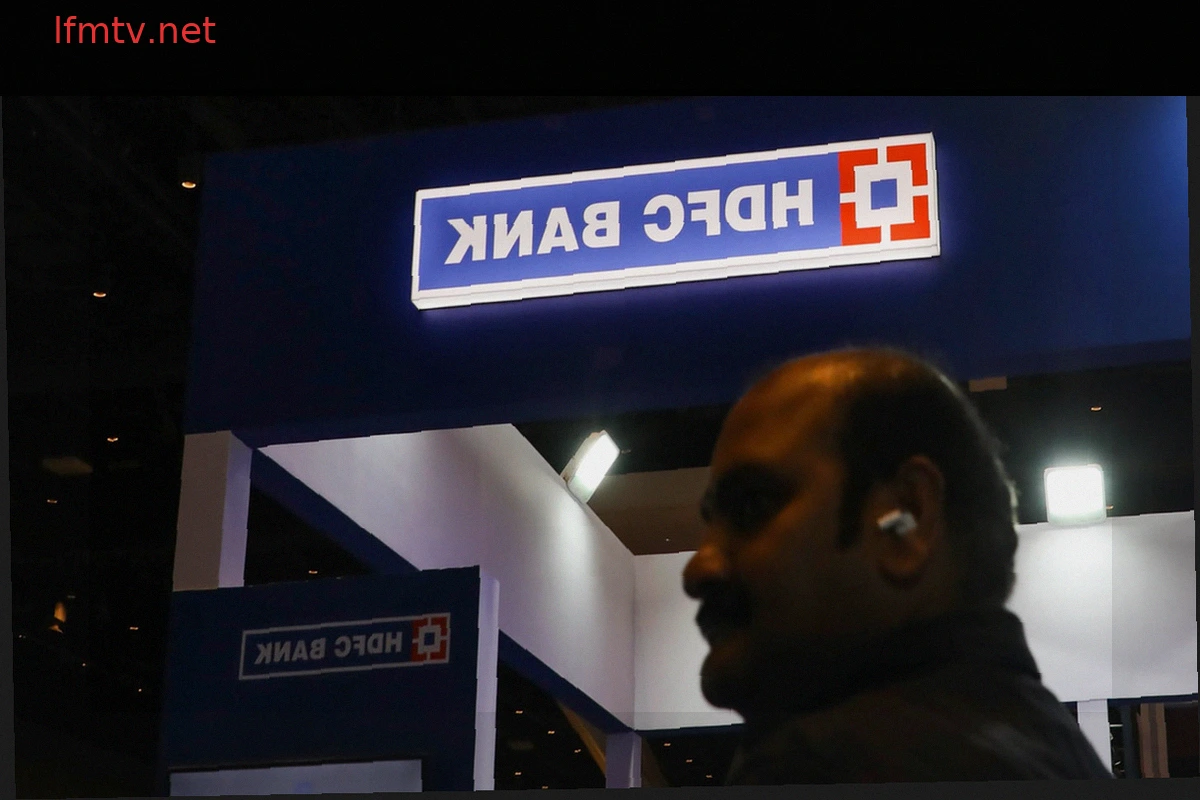
HDFC Bank Shares Rise on News of CEO's Unexpected Departure
HDFC Bank, India's largest private lender, experienced an increase in its share price on Monday, though it later pared back its gains. This movement followed a surprise announcement from Chief Executive Sashidhar Jagdishan that he will be exiting the bank upon the conclusion of his te

U.S. and Iran Exchange Strikes Amid Escalating Tensions
U.S. military forces carried out strikes on two Iranian rocket launchers located on Larak Island on Sunday. This action was taken following reports from the U.S. Central Command that Iranian Revolutionary Guard forces were preparing to launch rockets equipped with sea mines towards the
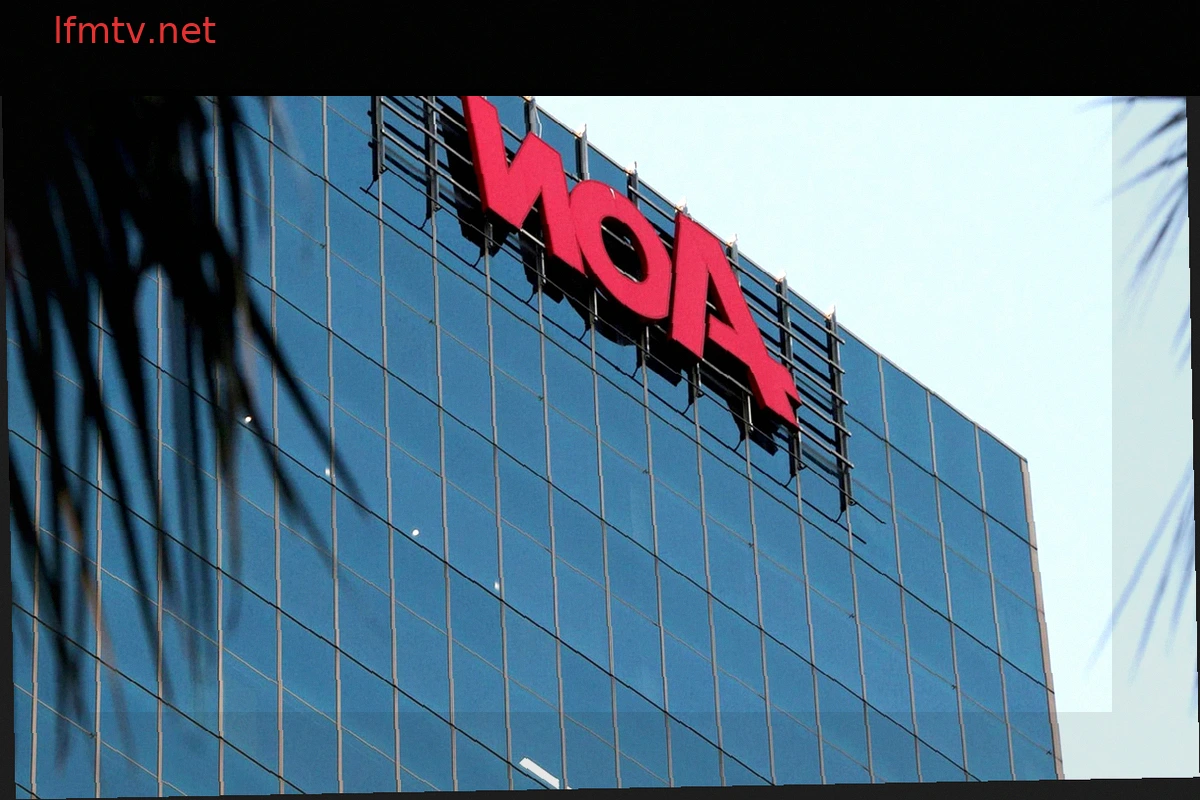
Aon Nears $17 Billion Deal to Acquire Insurance Broker USI from KKR
Aon is reportedly in advanced discussions to acquire USI, a prominent insurance brokerage firm, in a deal valued at approximately $17 billion, including debt. The seller is the private-equity firm KKR. According to The Wall Street Journal, the agreement could be announced as e
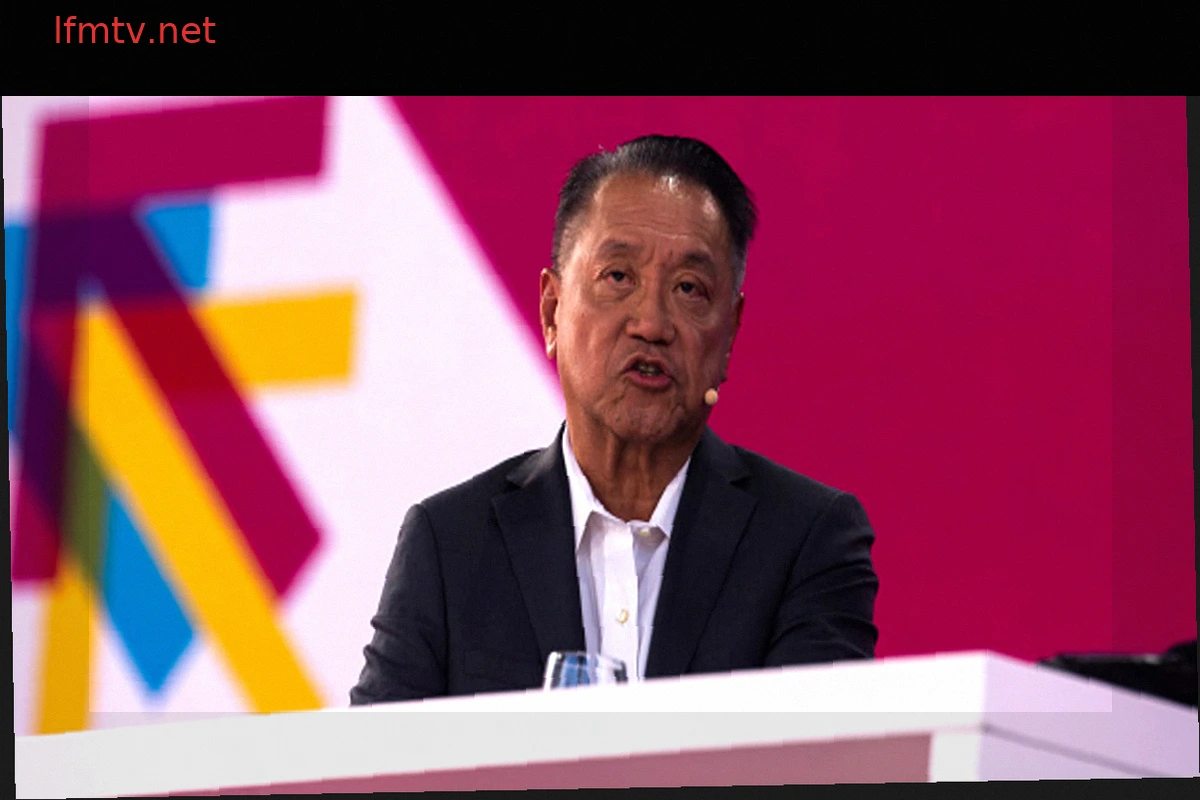
Key Stock Market Focus: Earnings, Cybersecurity, and Economic Data
This week, the stock market is under close observation as two prominent AI chipmakers, Broadcom and Palo Alto Networks, prepare to release their earnings. The dynamic cybersecurity landscape and the labor market will also be central themes. Here's an in-depth look at three critical areas t
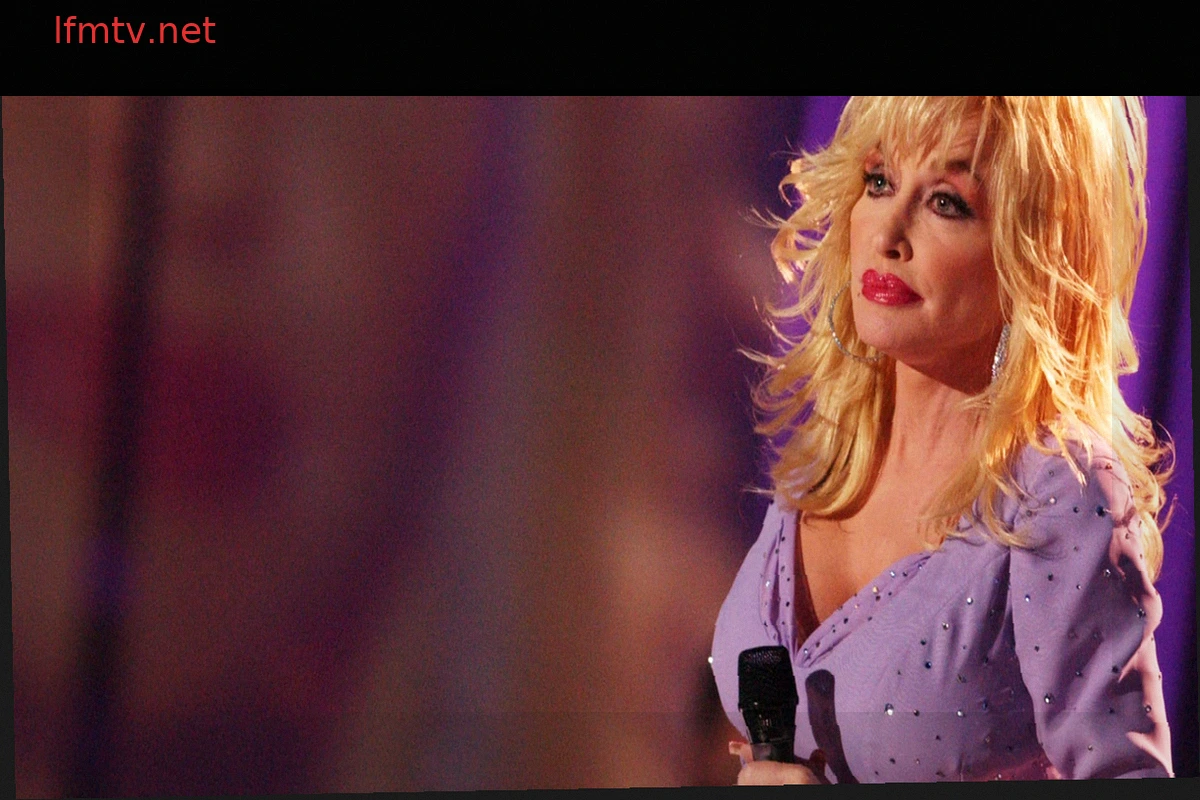
Dolly Parton's Resilience: Underestimation as a Strength
For decades, Dolly Parton was surprisingly underestimated, a fact that ultimately became one of her greatest assets. In a 2015 interview at Dollywood Theme Park, the famously optimistic singer-songwriter candidly shared her past struggles with depression and feelings