Treasury Considers Utilizing Nearly $1 Trillion General Account for Bond Buybacks
According to two senior Treasury officials, the U.S. Treasury Department is contemplating the use of its General Account (TGA), which currently holds close to $1 trillion, to finance its recently expanded government bond buyback program. This potential move could significantly bolster the Treasury's ability to influence long-term bond yields.
The Treasury surprised the market last week by announcing it would double the size of its buyback operations for off-the-run securities in the longer-term debt market, increasing the amount from $2 billion to at least $4 billion. Treasury Secretary Scott Bessent indicated on CNBC that these operations could even exceed this new minimum.
While the Treasury did not specify how these expanded purchases would be funded, market participants generally assumed it would involve the issuance of short-term bills. The officials did not dismiss this possibility. Bessent referred to the operation as a "Treasury Twist" in his CNBC interview, a term typically used for government or Federal Reserve actions where long-term Treasurys are bought using proceeds from short-term debt issuance, implying the sale of short-term bonds.
However, since the announcement, bonds have seen a reversal from their initial rally, leading to higher yields. This reaction is partly attributed to skepticism from many market analysts regarding the effectiveness of the Treasury's plan and concerns about the perceived limitations of its resources.
The utilization of the TGA could reshape this perception. The TGA functions as the government's primary bank account, a reserve held at the Federal Reserve, funded by existing tax revenues. Secretary Bessent has managed to increase the TGA's balance to approximately $950 billion, significantly exceeding the Biden administration's target of $550 billion to $600 billion.
The officials declined to specify the exact amount of the TGA that might be used or when such a decision could be announced. They clarified that there is no indication of using the TGA for purposes beyond the purchase of off-the-run securities, which were the focus of last week's announcement. However, they confirmed that the TGA is considered an available resource.
Treasury Can Manage Without Federal Reserve Assistance
The size of the TGA is managed at the Treasury's discretion. During Janet Yellen's tenure as Treasury Secretary, the stated goal was to maintain a balance equivalent to "a week ahead of cash needs." The current Treasury maintains that its balance is set "consistent with Treasury's long-standing cash balance policy." Should any of the TGA be used and the Bessent Treasury aim to maintain its near-$1 trillion level, additional bonds would need to be issued to replenish the account.
Reducing the TGA's balance, however, would not appear to pose any immediate risks. A lower TGA would mean less readily available cash for the government in the event of a future debt-ceiling standoff. Current projections suggest a new debt limit might not be reached until next winter, or possibly early spring, providing ample time to rebuild the TGA if necessary. In the interim, even a modest use of the TGA, or simply the acknowledgment that the Treasury would deploy it for bond purchases, could influence bond yields.
Furthermore, this approach would alleviate concerns voiced by some bond market participants about the possibility of the Federal Reserve being asked to assist the Treasury in these operations. While the Fed holds the TGA, it does not consider it a component of its monetary policy tools.
The Treasury officials pushed back against criticisms that the department had deviated from its established practice of being "regular and predictable" in bond sales and was attempting to manipulate the market with its surprise announcement. The notification of enhanced buybacks occurred two weeks after the quarterly refunding announcement, a time when such details are typically communicated to the markets.
However, the senior officials asserted that no changes were made to the official auction schedules. They also pointed out that the announcement was made nearly three weeks before the first operation on September 9th, allowing markets sufficient time to prepare. The Treasury also outlined its plans for the entire quarter in its August 19th announcement.
They further noted that it was premature to assess the market's reaction, as the first auction was not scheduled until September 9th.
Secretary Bessent told CNBC last week that the Treasury's objective was to encourage the market to "focus on the fundamentals and not trade the headlines during… a quiet period in a thin market. So we are trying to keep the market in equilibrium."
He expressed optimism about deficit reduction prospects once tariff revenues, following court-mandated refunds, are replaced by new tariffs. He also mentioned that top officials would soon convene to develop strategies for improving the fiscal situation.
Fresh materials — MMA News

Trump Threatens to Destroy Iran's Kharg Island Oil Hub as Hostilities Escalate
U.S. forces have conducted strikes on two Iranian rocket launchers located on Larak Island. This action followed observations of Revolutionary Guard forces preparing rockets armed with sea mines for deployment into the Strait of Hormuz, according to confirmation from U.S. Central Command. N
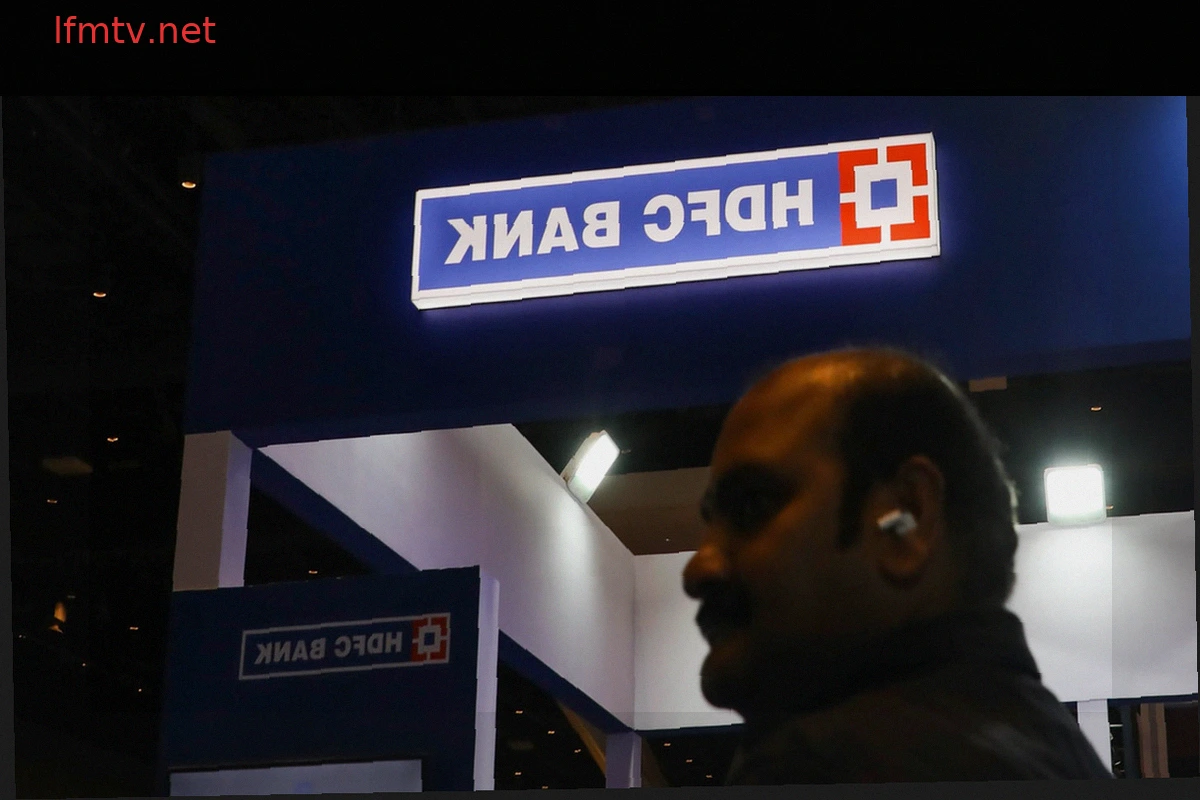
HDFC Bank Shares Rise on News of CEO's Unexpected Departure
HDFC Bank, India's largest private lender, experienced an increase in its share price on Monday, though it later pared back its gains. This movement followed a surprise announcement from Chief Executive Sashidhar Jagdishan that he will be exiting the bank upon the conclusion of his te

U.S. and Iran Exchange Strikes Amid Escalating Tensions
U.S. military forces carried out strikes on two Iranian rocket launchers located on Larak Island on Sunday. This action was taken following reports from the U.S. Central Command that Iranian Revolutionary Guard forces were preparing to launch rockets equipped with sea mines towards the
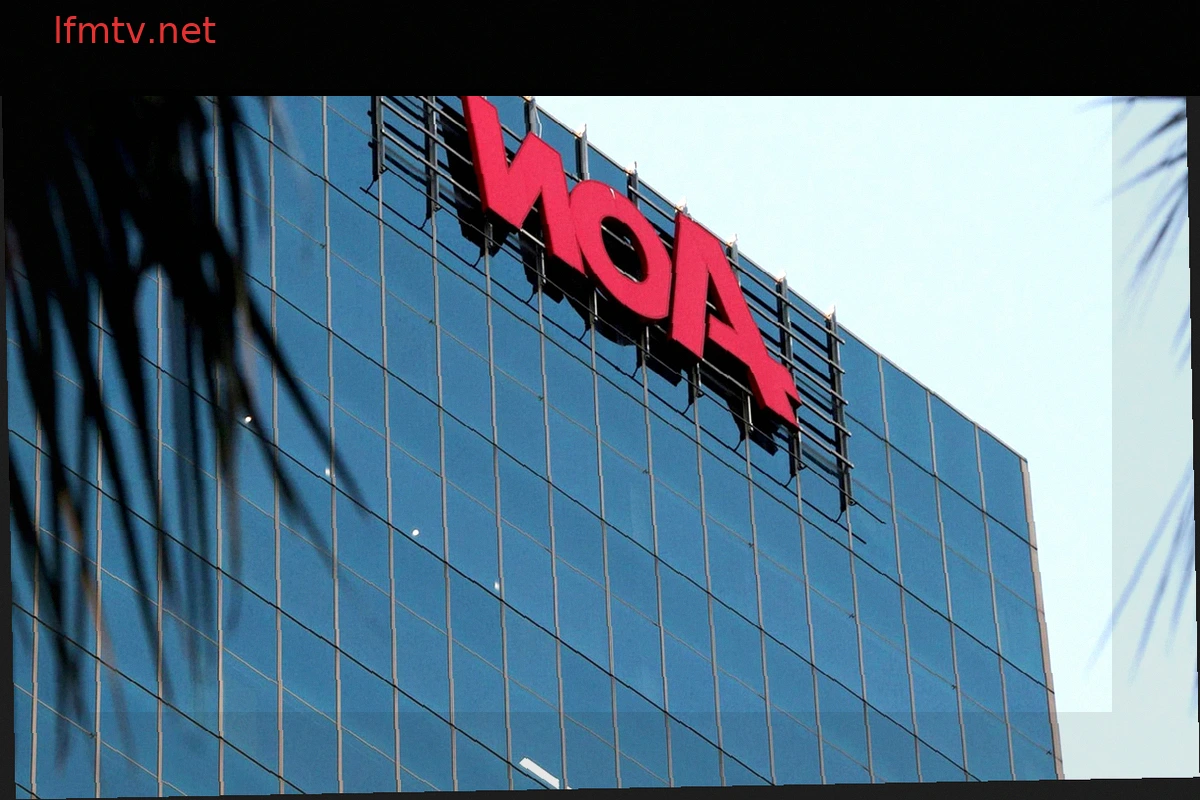
Aon Nears $17 Billion Deal to Acquire Insurance Broker USI from KKR
Aon is reportedly in advanced discussions to acquire USI, a prominent insurance brokerage firm, in a deal valued at approximately $17 billion, including debt. The seller is the private-equity firm KKR. According to The Wall Street Journal, the agreement could be announced as e
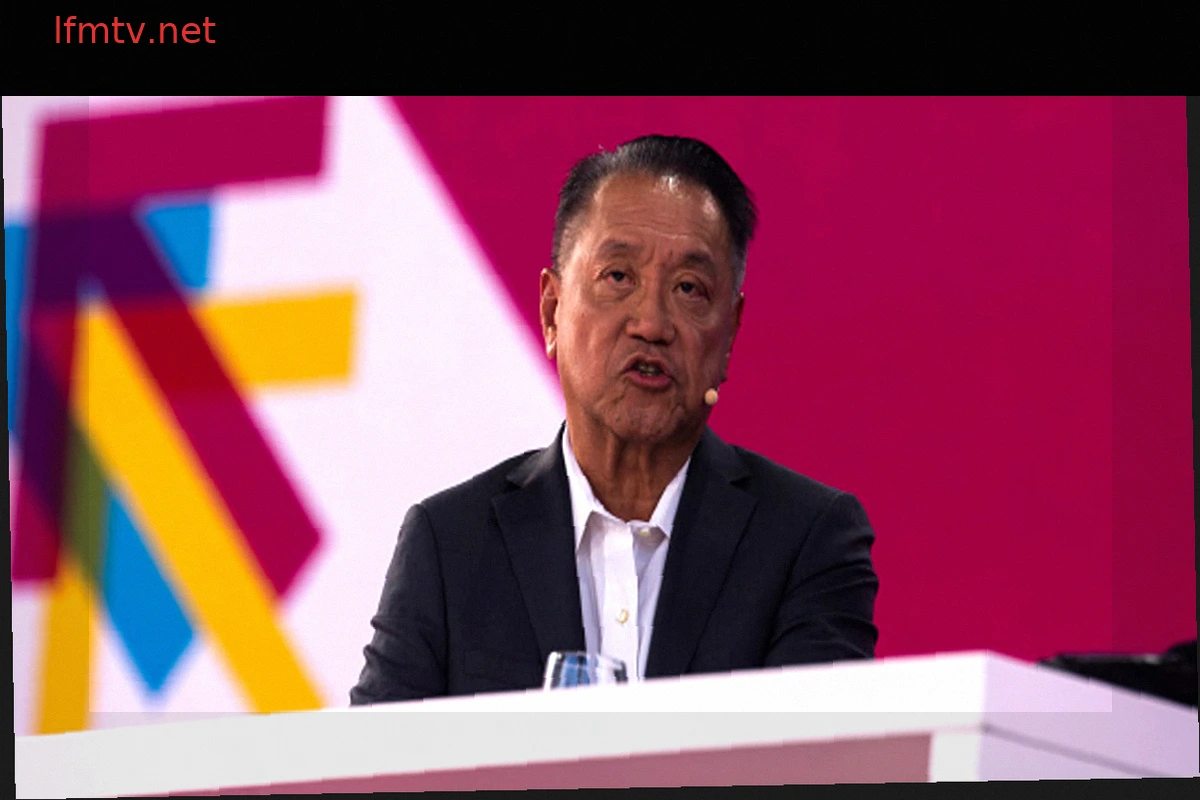
Key Stock Market Focus: Earnings, Cybersecurity, and Economic Data
This week, the stock market is under close observation as two prominent AI chipmakers, Broadcom and Palo Alto Networks, prepare to release their earnings. The dynamic cybersecurity landscape and the labor market will also be central themes. Here's an in-depth look at three critical areas t

Dolly Parton's Resilience: Underestimation as a Strength
For decades, Dolly Parton was surprisingly underestimated, a fact that ultimately became one of her greatest assets. In a 2015 interview at Dollywood Theme Park, the famously optimistic singer-songwriter candidly shared her past struggles with depression and feelings