Oil Prices Drop Over 3% Amid Reports of US Diplomatic Return to Middle East
Oil prices decreased by more than 3% on Tuesday. This fall followed a report by The New York Times indicating that the U.S. State Department is planning to return evacuated diplomats to the Middle East. This move suggests that the U.S. does not anticipate a full-scale war resuming.
Brent crude oil futures were trading 3.4% lower at $89.05 per barrel, marking their lowest point since August 13th. U.S. West Texas Intermediate (WTI) crude experienced a 3.6% drop, trading around $81.99 a barrel.
These declines on Tuesday extended the downward trend from Monday, when Brent crude prices fell by 3%.
Although U.S. military strikes in the Middle East have decreased in recent weeks, Washington has instead focused on implementing significant economic pressure on Iran. The U.S. government recently introduced a new series of sanctions targeting Iran and entities that continue to trade with the country.
The White House has described these actions as an "economic D-Day," with Treasury Secretary Scott Bessent referring to the initiative as "the single greatest financial offensive ever." Despite these economic measures, U.S. Defense Secretary Pete Hegseth stated on Monday that the possibility of further American military strikes in the Middle East remains a consideration. He emphasized that while economic pressure is currently the most impactful tool against Iran, the U.S. is not ruling out the use of kinetic strikes in the Strait of Hormuz or surrounding areas if necessary.
In response, Iran's Economy Minister Ali Madanizadeh asserted on state television that Tehran is fully prepared to withstand additional U.S. sanctions, stating that the government has a two-year plan to manage such events and possesses its own strategies for dealing with the situation.
China Vows to Defend Its Interests
China, a significant trading partner for Iran, has consistently advocated for a diplomatic resolution to the U.S.-Iran conflict. Under the new sanctions regime, China could face repercussions for its continued purchases of Iranian oil. Chinese Foreign Ministry Spokesperson Lin Jian stated on Tuesday that Beijing would take all necessary measures to firmly protect its rights and interests. He reiterated China's opposition to unilateral sanctions lacking international legal basis or UN Security Council authorization, arguing that economic warfare and maximum pressure are not viable solutions. Lin added that China's engagement with Iran is conducted within the bounds of international law and should not be obstructed.
Strategists at BBH noted that the latest U.S. tactics appeared to be more of a warning than a decisive action. They pointed out that while the U.S. expanded sanctions, it refrained from imposing immediate secondary sanctions on other countries involved in Iran's trade. The strategists identified China as a crucial factor, being Iran's largest trading partner and a major buyer of its oil exports, thus posing the biggest challenge to the credibility of the sanctions. They warned that targeting China as a trading partner would involve sanctioning major Chinese banks and refiners, which could risk financial disruption, Chinese retaliation, and jeopardize the delicate détente between the U.S. and China.
English Translation
Oil prices dropped more than 3% on Tuesday, following a report by The New York Times that the State Department intends to send evacuated diplomats back to the Middle East, indicating the U.S. does not expect a return to full-scale war.
Brent crude oil futures were trading 3.4% lower at $89.05 per barrel, their lowest since August 13. U.S. West Texas Intermediate (WTI) crude fell 3.6% to trade around $81.99 a barrel.
Tuesday's moves extended declines from Monday, when Brent fell by 3%.
While U.S. strikes in the Middle East have quieted in recent weeks, Washington has instead focused on exerting significant economic pressure on Iran. The U.S. government recently unveiled a fresh raft of sanctions on Iran, as well as on entities supporting its trade.
The White House has labeled its efforts an "economic D-Day," with Treasury Secretary Scott Bessent touting the initiative as "the single greatest financial offensive ever." Meanwhile, U.S. Defense Secretary Pete Hegseth told reporters on Monday that the prospect of further American strikes in the Middle East remained on the table, stating, "If we need to use kinetic strikes, we'll use them. If Iran is foolish enough to overplay their hand or mess with the American military, we'll do what we need to do." He added, "Economic pressure hurts them the most right now. But by no means are we foreclosing using kinetic strikes anywhere in the Strait of Hormuz or around Iran."
Iranian Economy Minister Ali Madanizadeh stated on state television that Tehran is "fully prepared" to withstand more U.S. sanctions, asserting, "The government is and was ready and has a two-year plan to manage these events. We have our own tools and we know how to play the game."
China Vows to Defend Its Interests
China, one of Iran's largest trading partners, has repeatedly called for a diplomatic end to the U.S.-Iran war. Under the new "economic D-Day" plans, China could face ramifications for continuing to buy Iranian oil. On Tuesday, Chinese Foreign Ministry Spokesperson Lin Jian told reporters that Beijing would "do everything necessary to firmly safeguard its rights and interests." He stated, "China has made clear on many occasions its firm opposition to illicit unilateral sanctions that have no basis in international law or the authorization of the UN Security Council. Economic warfare and maximum pressure provide no solution." He added that China's cooperation with Iran is conducted within the framework of international law and should not be disrupted.
In a Tuesday note, BBH strategists commented that the Trump administration's latest tactics were "more of a warning shot than a decisive blow." They explained, "The U.S. expanded sanctions on Iran but stopped short of any immediate secondary sanctions against other countries sustaining Iran's trade. China is the critical pressure point — it is Iran's largest trading partner and buys roughly 90% of its oil exports — and the biggest constraint on making the sanctions credible." They further noted that targeting China as a trading partner of Iran would involve targeting major Chinese banks and refiners, "risking financial disruption, Chinese retaliation, and the fragile US-China détente."
Fresh materials — MMA News
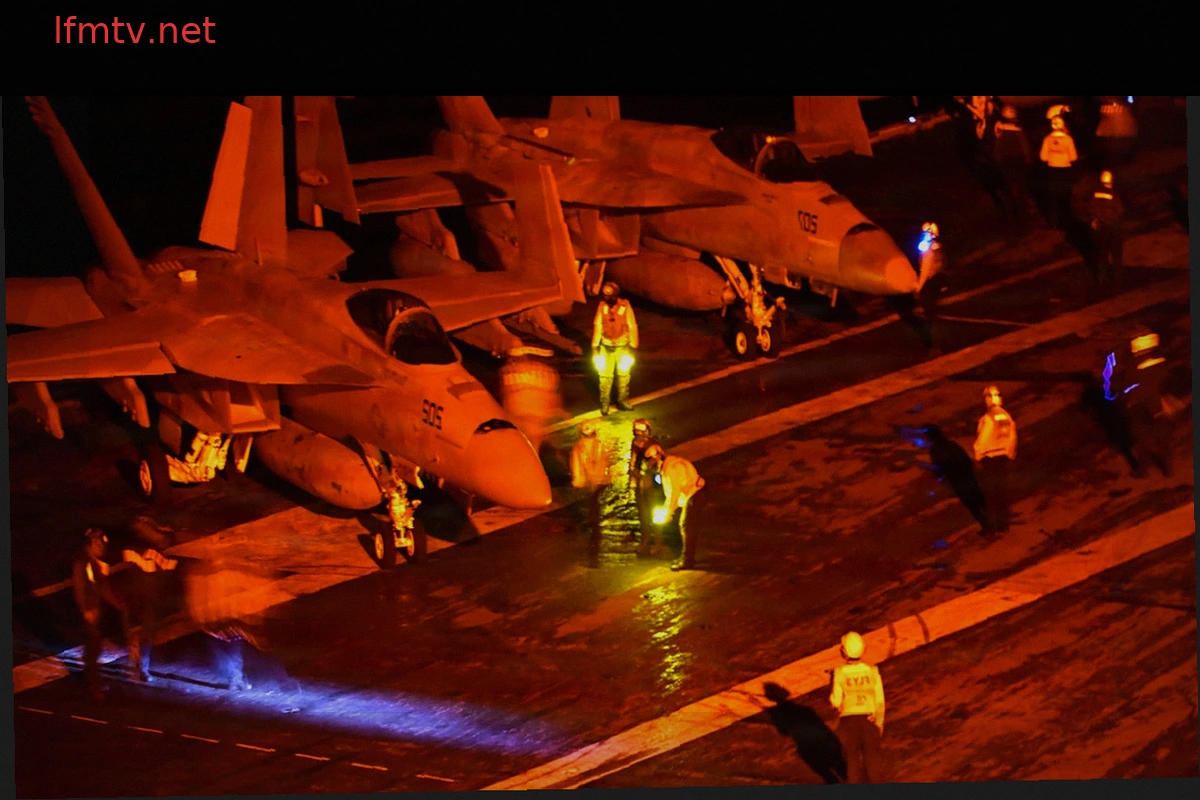
Trump Threatens to Destroy Iran's Kharg Island Oil Hub as Hostilities Escalate
U.S. forces have conducted strikes on two Iranian rocket launchers located on Larak Island. This action followed observations of Revolutionary Guard forces preparing rockets armed with sea mines for deployment into the Strait of Hormuz, according to confirmation from U.S. Central Command. N
HDFC Bank Shares Rise on News of CEO's Unexpected Departure
HDFC Bank, India's largest private lender, experienced an increase in its share price on Monday, though it later pared back its gains. This movement followed a surprise announcement from Chief Executive Sashidhar Jagdishan that he will be exiting the bank upon the conclusion of his te
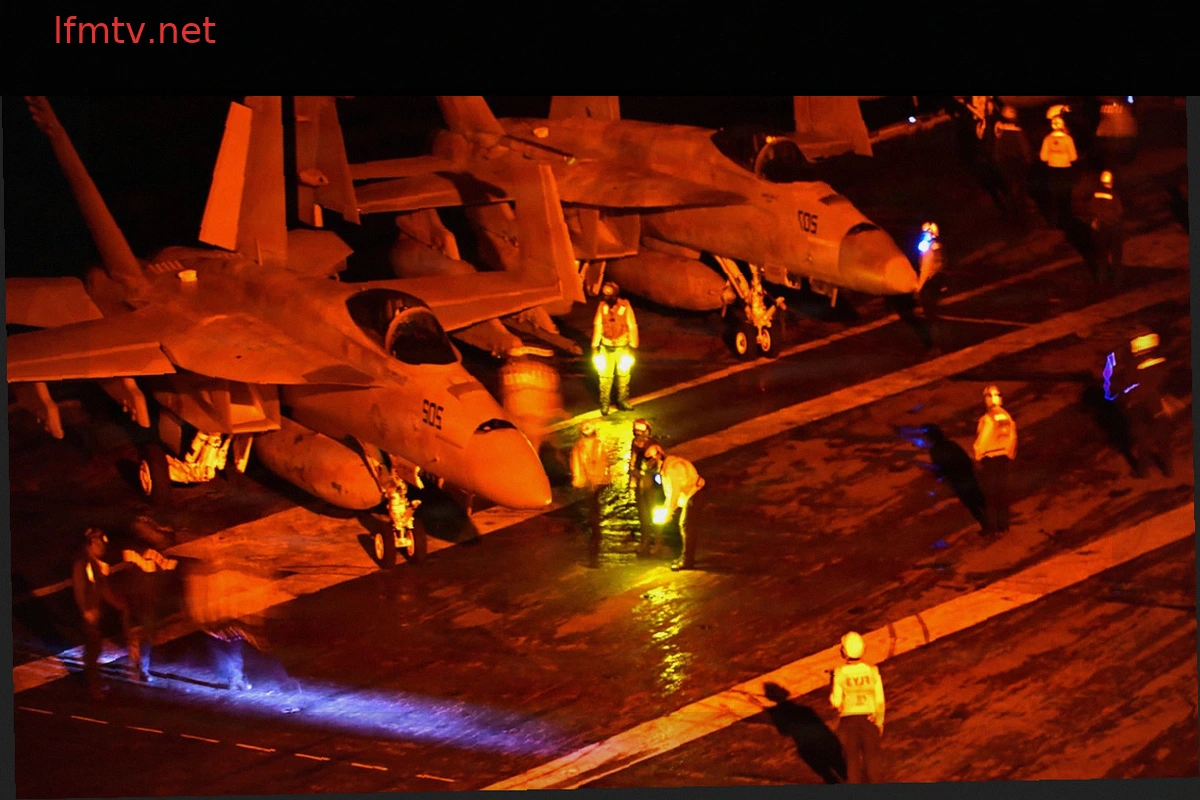
U.S. and Iran Exchange Strikes Amid Escalating Tensions
U.S. military forces carried out strikes on two Iranian rocket launchers located on Larak Island on Sunday. This action was taken following reports from the U.S. Central Command that Iranian Revolutionary Guard forces were preparing to launch rockets equipped with sea mines towards the
Aon Nears $17 Billion Deal to Acquire Insurance Broker USI from KKR
Aon is reportedly in advanced discussions to acquire USI, a prominent insurance brokerage firm, in a deal valued at approximately $17 billion, including debt. The seller is the private-equity firm KKR. According to The Wall Street Journal, the agreement could be announced as e
Key Stock Market Focus: Earnings, Cybersecurity, and Economic Data
This week, the stock market is under close observation as two prominent AI chipmakers, Broadcom and Palo Alto Networks, prepare to release their earnings. The dynamic cybersecurity landscape and the labor market will also be central themes. Here's an in-depth look at three critical areas t

Dolly Parton's Resilience: Underestimation as a Strength
For decades, Dolly Parton was surprisingly underestimated, a fact that ultimately became one of her greatest assets. In a 2015 interview at Dollywood Theme Park, the famously optimistic singer-songwriter candidly shared her past struggles with depression and feelings