Nvidia Earnings and Trade War: A Simple Trading Strategy for Market Volatility
In the face of numerous complex market factors, a well-known Wall Street adage, KISS (Keep It Simple, Stupid), might offer the most effective trading approach this week. With an abundance of potential catalysts, significant market movements are possible. If options are currently inexpensive, they could provide a favorable method for making a directional bet. Currently, call options on the SPDR S&P 500 ETF Trust (SPY) appear to be a promising way to gain long exposure in this market.
Here's the reasoning:
Let's begin with Treasuries. The 30-year Treasury yield has reached a 20-year high. This prompted Treasury Secretary Scott Bessent to attempt market manipulation with the 'Treasury twist,' involving the repurchase of longer-term debt financed by shorter-term instruments. This strategy proved effective for only about a day. The 10-year yield, which Bessent closely monitors, initially dropped to approximately 4.64% before rebounding to close the week at 4.73%. This marks the highest level since the Global Financial Crisis. Rising discount rates not only pose a challenge for government finances but also act as a headwind for all long-duration assets. Conversely, this dynamic can also present opportunities. It's anticipated that the Federal Reserve might intervene more directly through yield curve manipulation if 10-year yields approach 6%. However, some market participants believe rates will not reach such elevated levels. Consider the holdings in the 7-10 year Treasury ETF (IEF); Fisher Investments, for instance, possesses nearly 161 million shares, valued at approximately $15 billion. If you share the view that maintaining some duration in your fixed-income allocation is prudent, you might also believe that the S&P 500 will reach new highs between now and year-end.
Another significant potential catalyst?
Nvidia is scheduled to report its earnings on Wednesday. The market's performance is highly dependent on Nvidia's results; the index's gains have been largely fueled by spending on AI infrastructure, and Nvidia is its primary beneficiary, a key indicator, and the largest single component of the index. Even a slight miss in guidance could negatively impact semiconductors, hyperscalers, power companies, and related sectors. However, even if the impact is contained, Nvidia's stock movements alone can influence the broader market. In the past four quarterly earnings releases, Nvidia's stock has declined by an average of about 6%. Given its current weighting in the S&P 500 and Nasdaq, this translates to a potential drop of nearly 0.5% in these indices. Yet, after a year of relatively subdued post-earnings price action, this could be the event that reignites market momentum. Notably, Nvidia is currently trading at a valuation multiple significantly below the market average.
Furthermore, we continue to grapple with trade and tariff policies. Negotiations with Canada have stalled once again, with Mark Carney indicating that retaliatory measures will be implemented on September 8. According to a Bloomberg article, the Prime Minister sees little chance of resuming talks with President Trump before the midterm elections. While we find ourselves repeatedly falling into predictable patterns, and it's worth noting that President Trump has previously used trade and tariff announcements to disrupt short sellers. A surprise deal could catch them off guard again.
Current price action also warrants attention. Memory and storage have been exceptionally strong market sectors, with several companies experiencing multi-hundred percent gains. However, these stocks have recently weakened considerably, declining even after strong earnings reports. Sandisk, for example, is up over 570% year-to-date but has fallen nearly 32% from its June highs. Micron, despite being up nearly 240%, is more than 20% off its peaks, as are Seagate and Western Digital, which has declined almost 40%. A fund manager noted over the weekend that while "the big money has probably been made," Micron, trading at just over 6 times forward earnings, could potentially double its multiple to 12 times. The question is, "Why not?"
Despite these concerns, SPY options remain very affordable. The implied volatility for 30-day at-the-money options is approximately 12.6%, which is around the 13th percentile over the past year (and a modest 6th percentile year-to-date). When you can acquire options at a reasonable price, you are not sacrificing your market edge to mitigate risk.
The SPY October 775 calls are just 1.2% out-of-the-money with 7 ½ weeks remaining until expiration. As of Friday's close, they cost $12.15, representing only 1.6% of the underlying asset's closing price. These options encompass Nvidia's earnings report this week, the September 8 Canadian retaliation date, the Treasury's entire buyback window commencing September 9, the September FOMC rate decision, and a host of other potential market-moving catalysts.
If the market continues to climb, you can participate in the gains, and if it doesn't, your risk has been minimal.
Fresh materials — MMA News

Trump Threatens to Destroy Iran's Kharg Island Oil Hub as Hostilities Escalate
U.S. forces have conducted strikes on two Iranian rocket launchers located on Larak Island. This action followed observations of Revolutionary Guard forces preparing rockets armed with sea mines for deployment into the Strait of Hormuz, according to confirmation from U.S. Central Command. N
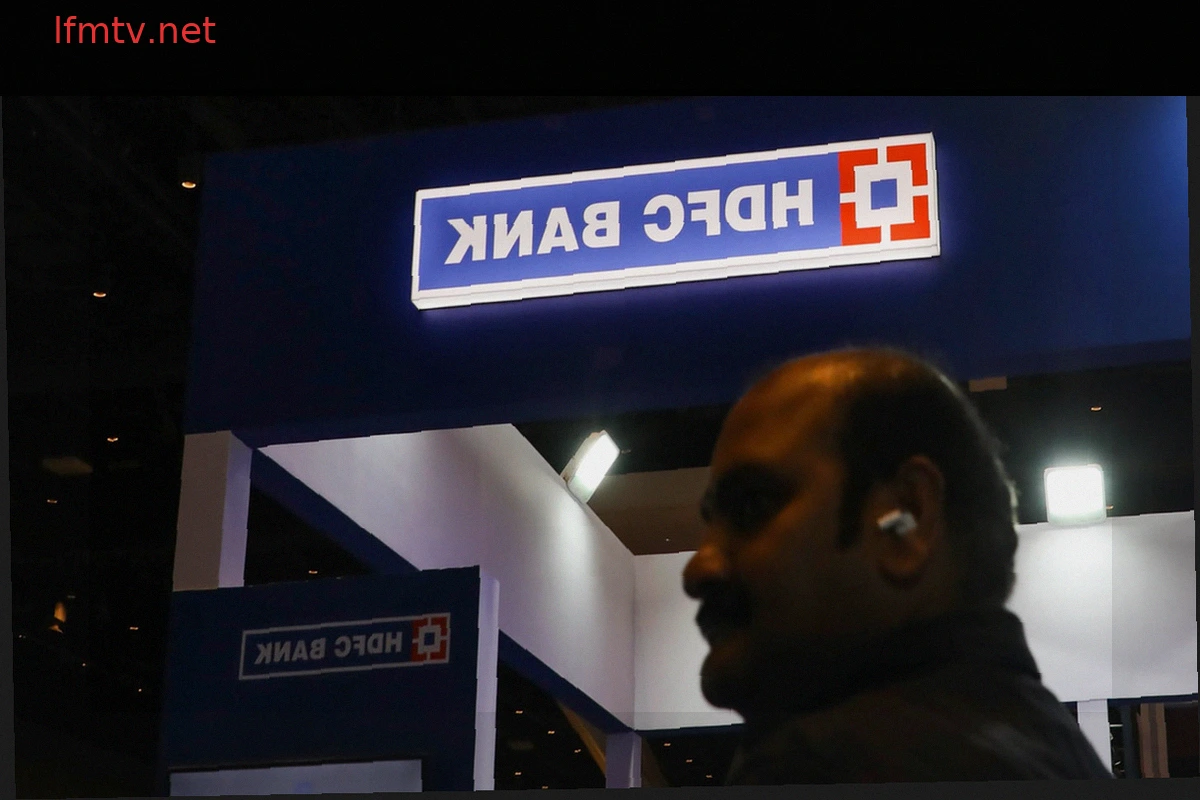
HDFC Bank Shares Rise on News of CEO's Unexpected Departure
HDFC Bank, India's largest private lender, experienced an increase in its share price on Monday, though it later pared back its gains. This movement followed a surprise announcement from Chief Executive Sashidhar Jagdishan that he will be exiting the bank upon the conclusion of his te

U.S. and Iran Exchange Strikes Amid Escalating Tensions
U.S. military forces carried out strikes on two Iranian rocket launchers located on Larak Island on Sunday. This action was taken following reports from the U.S. Central Command that Iranian Revolutionary Guard forces were preparing to launch rockets equipped with sea mines towards the
Aon Nears $17 Billion Deal to Acquire Insurance Broker USI from KKR
Aon is reportedly in advanced discussions to acquire USI, a prominent insurance brokerage firm, in a deal valued at approximately $17 billion, including debt. The seller is the private-equity firm KKR. According to The Wall Street Journal, the agreement could be announced as e
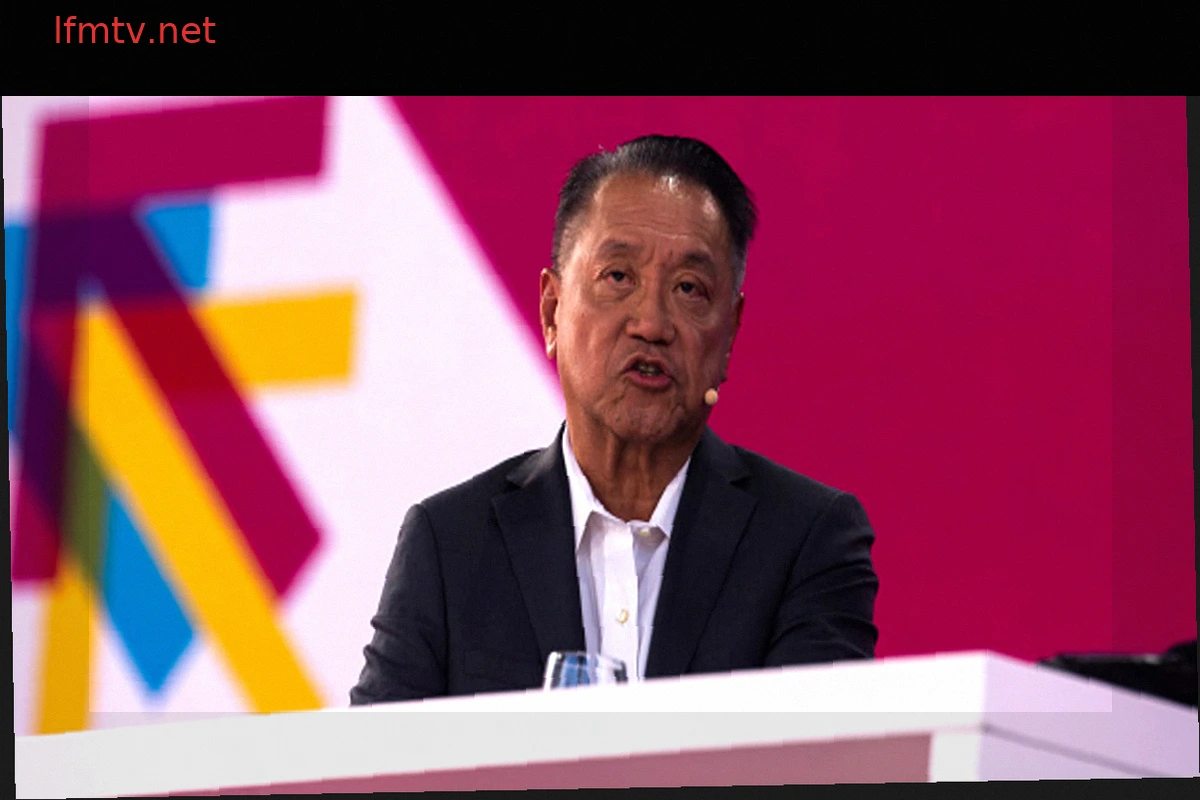
Key Stock Market Focus: Earnings, Cybersecurity, and Economic Data
This week, the stock market is under close observation as two prominent AI chipmakers, Broadcom and Palo Alto Networks, prepare to release their earnings. The dynamic cybersecurity landscape and the labor market will also be central themes. Here's an in-depth look at three critical areas t

Dolly Parton's Resilience: Underestimation as a Strength
For decades, Dolly Parton was surprisingly underestimated, a fact that ultimately became one of her greatest assets. In a 2015 interview at Dollywood Theme Park, the famously optimistic singer-songwriter candidly shared her past struggles with depression and feelings