Most Americans Aren't Anti-Vaccine; They're Uncertain, Posing a Public Health Challenge
Record measles cases and increasing childhood vaccine exemptions in the U.S. have raised alarms about growing opposition to vaccines. However, the reality is more nuanced. Public health officials face a significant challenge not from widespread anti-vaccine beliefs, but from a large segment of the population that is uncertain about vaccines.
A survey by KFF found that only a small percentage of Americans firmly believe common vaccine myths. A larger group falls into an ambiguous middle ground, expressing questions or anxieties about vaccines and being susceptible to conflicting information regarding their safety and effectiveness. This uncertainty can lead to delayed or avoided vaccination decisions for children, contributing to the circulation of contagious diseases like measles.
The rise of misinformation, amplified by social media and political figures, exacerbates this uncertainty. Experts suggest that addressing this requires listening to concerns, providing clear, evidence-based information, and engaging in open conversations with trusted healthcare providers. The challenge is compounded by the fact that vaccines have been so successful in preventing diseases that many people no longer perceive the illnesses as a significant threat, leading them to view the perceived risks of vaccines as greater than the risks of the diseases themselves.
Why People Are Uncertain About Vaccines
Vaccine hesitancy is a complex issue driven by more than just outright opposition. Social media algorithms often amplify emotionally charged content, leading to exposure to conflicting messages and difficulty in discerning trustworthy sources. This overwhelming flow of information leaves many feeling confused rather than firmly decided.
This uncertainty is further complicated by messages from political leaders that question vaccine safety and efficacy. Experts have identified several groups contributing to vaccine hesitancy: those confused by conflicting information, those anxious about side effects, those who prefer "natural" approaches, those distrustful of institutions, and those who simply don't prioritize vaccination.
Factors such as social influences, religious beliefs, and accessibility to information all play a role. For some, beliefs about one vaccine may not extend to others. Personal experiences and family skepticism can also be significant barriers. For example, one individual shared that his family's distrust of the healthcare industry and government, coupled with their religious background, influenced his initial skepticism, though he later sought out information to make his own informed decision.
Measles Cases Rise, Childhood Vaccinations Fall
The current uncertainty surrounding vaccines occurs during a period of rising measles cases and declining childhood vaccination rates in the U.S. This trend leaves communities vulnerable to outbreaks of preventable illnesses.
The Centers for Disease Control and Prevention (CDC) reports a 35-year high in confirmed measles cases, with the vast majority of infected individuals being unvaccinated or having an unknown vaccination status. Concurrently, childhood vaccination rates have slightly decreased, while nonmedical exemptions have reached a record high. This decline in vaccination coverage creates a greater risk for the circulation of highly contagious viruses.
Hesitancy surrounding the measles vaccine has historical roots, including a now-retracted study linking the MMR vaccine to autism. Political rhetoric questioning the vaccine's safety and recommendations has further fueled skepticism. This politicization of vaccine science makes it challenging for the public to discern reliable information from conflicting messages presented by various authorities.
Approaching Hesitant Individuals
Health experts emphasize that addressing vaccine-hesitant individuals requires a listening approach rather than a lecture. Understanding the root causes of hesitancy is crucial before dismissing concerns.
Healthcare providers should acknowledge the role of social media in health information seeking and help individuals critically evaluate the content they encounter by comparing it with evidence from trusted medical sources. Open conversations that address individual fears and promote better information evaluation are key.
The success of vaccines in eradicating or significantly reducing many diseases has inadvertently led to a perception that these illnesses are no longer a serious threat. This perception shift means the perceived risk of vaccination may outweigh the perceived risk of the disease for some. Therefore, it's important to revisit these discussions, acknowledge changing times, and emphasize the importance of protecting children by understanding the current risk profile.
Fresh materials — MMA News

Trump Threatens to Destroy Iran's Kharg Island Oil Hub as Hostilities Escalate
U.S. forces have conducted strikes on two Iranian rocket launchers located on Larak Island. This action followed observations of Revolutionary Guard forces preparing rockets armed with sea mines for deployment into the Strait of Hormuz, according to confirmation from U.S. Central Command. N
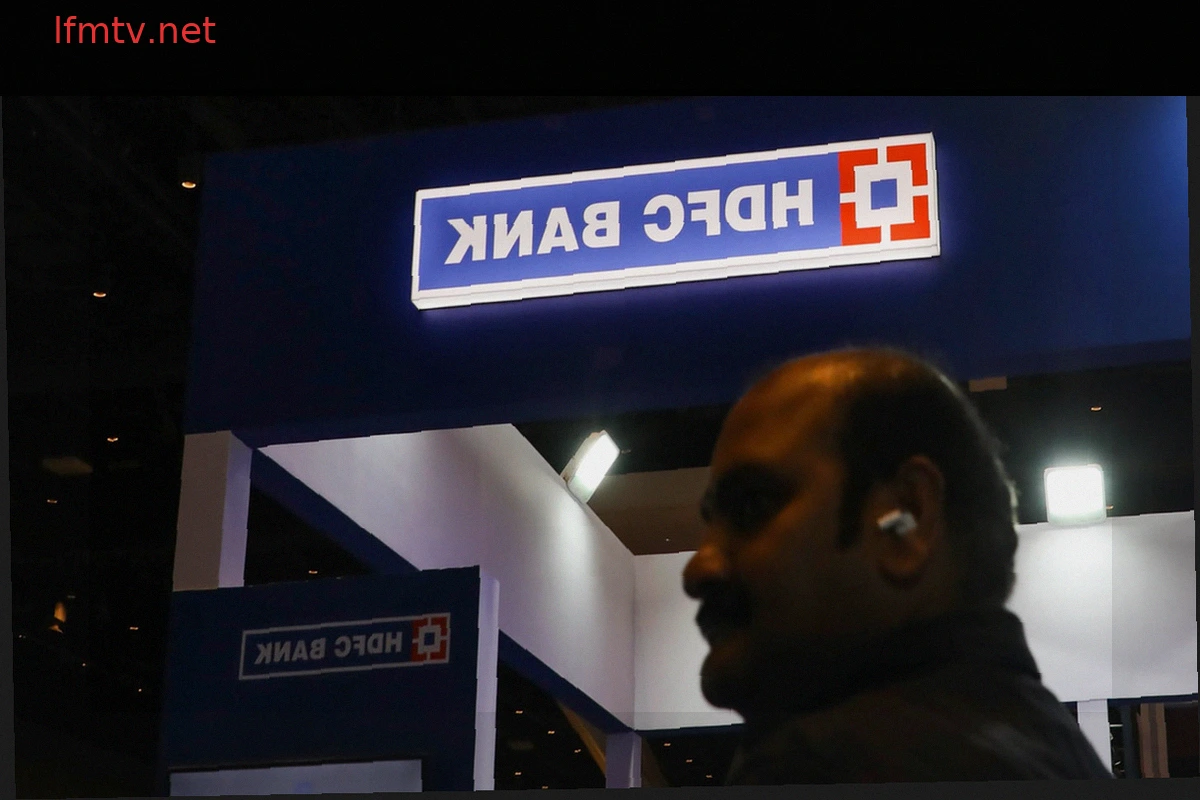
HDFC Bank Shares Rise on News of CEO's Unexpected Departure
HDFC Bank, India's largest private lender, experienced an increase in its share price on Monday, though it later pared back its gains. This movement followed a surprise announcement from Chief Executive Sashidhar Jagdishan that he will be exiting the bank upon the conclusion of his te

U.S. and Iran Exchange Strikes Amid Escalating Tensions
U.S. military forces carried out strikes on two Iranian rocket launchers located on Larak Island on Sunday. This action was taken following reports from the U.S. Central Command that Iranian Revolutionary Guard forces were preparing to launch rockets equipped with sea mines towards the

Aon Nears $17 Billion Deal to Acquire Insurance Broker USI from KKR
Aon is reportedly in advanced discussions to acquire USI, a prominent insurance brokerage firm, in a deal valued at approximately $17 billion, including debt. The seller is the private-equity firm KKR. According to The Wall Street Journal, the agreement could be announced as e
Key Stock Market Focus: Earnings, Cybersecurity, and Economic Data
This week, the stock market is under close observation as two prominent AI chipmakers, Broadcom and Palo Alto Networks, prepare to release their earnings. The dynamic cybersecurity landscape and the labor market will also be central themes. Here's an in-depth look at three critical areas t
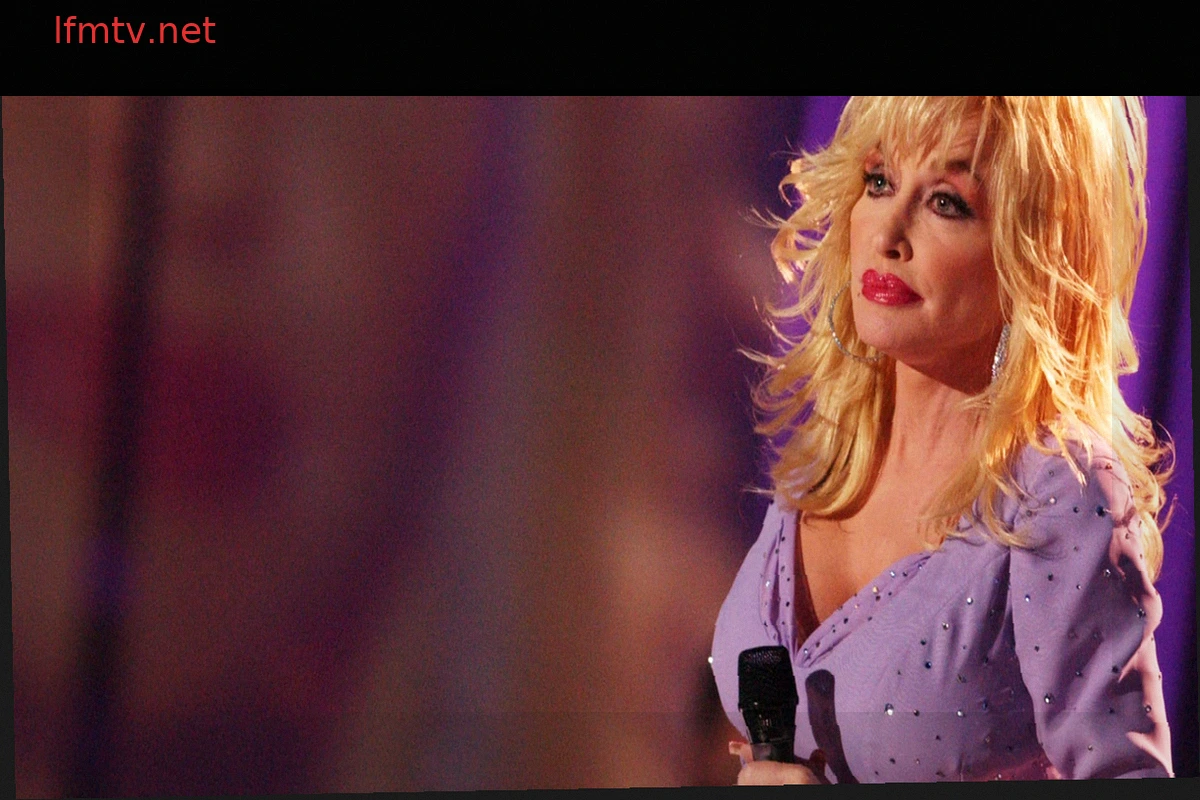
Dolly Parton's Resilience: Underestimation as a Strength
For decades, Dolly Parton was surprisingly underestimated, a fact that ultimately became one of her greatest assets. In a 2015 interview at Dollywood Theme Park, the famously optimistic singer-songwriter candidly shared her past struggles with depression and feelings