Moderna & Merck Cancer Vaccine Shows Promise in Late-Stage Trial
An experimental personalized cancer vaccine developed collaboratively by Merck and Moderna has demonstrated encouraging initial outcomes in its inaugural late-stage clinical trial. These findings, announced by the companies, represent a significant advancement towards seeking regulatory approval for this novel treatment.
The mRNA-based vaccine, administered in conjunction with Merck's immunotherapy drug Keytruda, successfully met primary objectives in a Phase III trial involving over 1,100 patients diagnosed with high-risk or advanced melanoma. These participants had undergone surgery that completely removed detectable cancer.
The combination therapy achieved a key goal by significantly prolonging the time patients lived without their melanoma recurring, when compared to treatment with Keytruda alone. Furthermore, the regimen reduced the risk of cancer spreading to distant parts of the body. These results build upon positive Phase II trial data for the same combination observed earlier this year.
While the Phase III study will continue to evaluate additional endpoints, including overall survival benefits, the drug manufacturers intend to present the data at an upcoming international medical conference. The timeline for submitting approval applications in the U.S. remains to be determined.
Nonetheless, the preliminary data suggests that this combination could offer a new therapeutic option for melanoma, a form of skin cancer that, while accounting for a small percentage of skin cancers, is responsible for the majority of skin cancer-related fatalities. A substantial number of melanoma recurrences typically manifest within the first two to three years post-initial treatment and surgical removal.
"Melanoma patients are confronted with the significant gravity of their diagnosis, followed by arduous treatments like surgery, and subsequently live with the anxiety of their cancer returning," stated Dr. Jane Healy, Merck's head of oncology early development. She expressed considerable enthusiasm for the therapy's ability to deliver a "clinically meaningful improvement" over Keytruda, the current standard of care for melanoma, and noted that the treatment was well-tolerated by patients, with side effects comparable to common vaccine responses.
Dr. Healy further commented that these results validate the personalized treatment strategy that Merck and Moderna have been cultivating for decades. She elaborated that each tumor possesses a unique set of mutations, even within patients diagnosed with the same cancer type. The personalized vaccine from Merck and Moderna is engineered to target these specific tumor mutations in each individual, departing from a one-size-fits-all approach. The underlying principle is to prime the immune system to identify and eliminate these unique cancer markers, and then to synergize this response with Keytruda, thereby enhancing the body's ability to combat the cancer more effectively.
"We believe these results hold significant meaning for patients with this disease and truly underscore the potential of this new therapeutic class for future trials in other cancer types," she added.
Analysts have previously indicated that the Phase III trial results represent a critical juncture for Moderna's stock. The company's current valuation appears to anticipate the potential success of this personalized cancer vaccine not only in melanoma but also across a broader spectrum of cancers.
Merck and Moderna are currently investigating the vaccine in ongoing trials for other cancer types, including non-small cell lung cancer, bladder cancer, and renal cell carcinoma.
Fresh materials — MMA News

Trump Threatens to Destroy Iran's Kharg Island Oil Hub as Hostilities Escalate
U.S. forces have conducted strikes on two Iranian rocket launchers located on Larak Island. This action followed observations of Revolutionary Guard forces preparing rockets armed with sea mines for deployment into the Strait of Hormuz, according to confirmation from U.S. Central Command. N
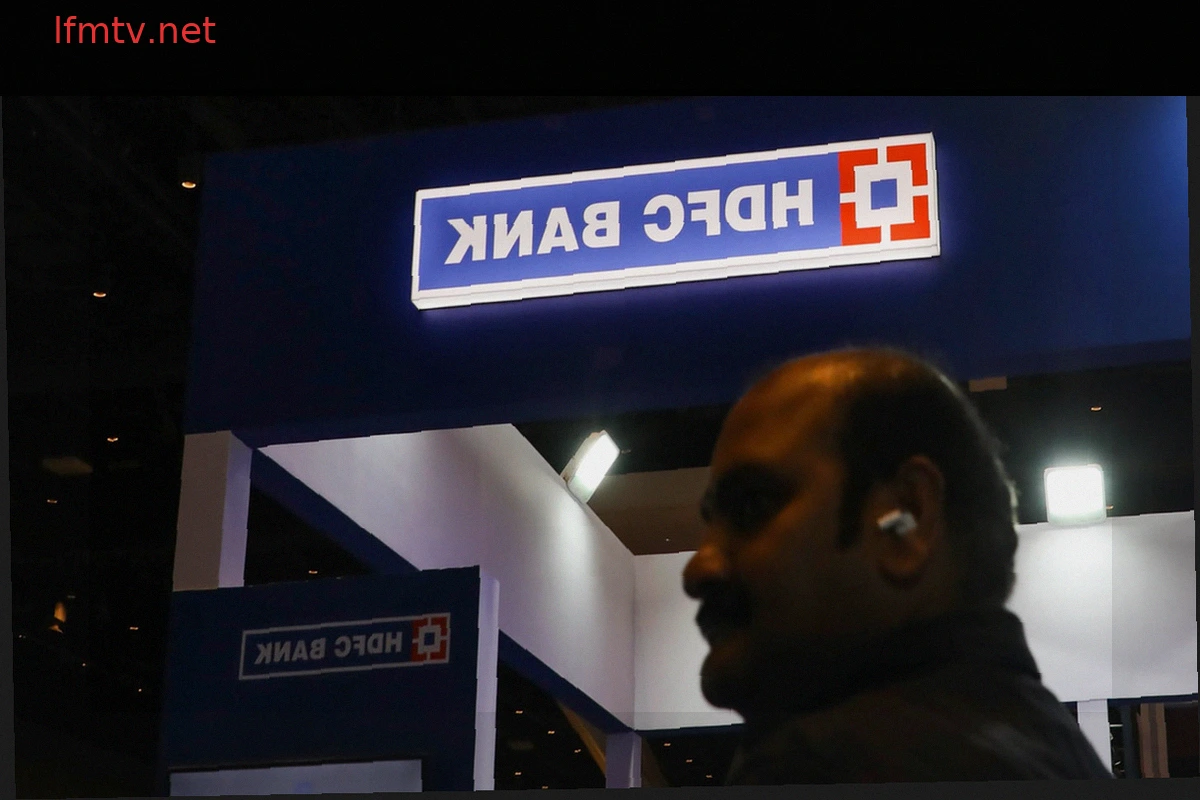
HDFC Bank Shares Rise on News of CEO's Unexpected Departure
HDFC Bank, India's largest private lender, experienced an increase in its share price on Monday, though it later pared back its gains. This movement followed a surprise announcement from Chief Executive Sashidhar Jagdishan that he will be exiting the bank upon the conclusion of his te

U.S. and Iran Exchange Strikes Amid Escalating Tensions
U.S. military forces carried out strikes on two Iranian rocket launchers located on Larak Island on Sunday. This action was taken following reports from the U.S. Central Command that Iranian Revolutionary Guard forces were preparing to launch rockets equipped with sea mines towards the
Aon Nears $17 Billion Deal to Acquire Insurance Broker USI from KKR
Aon is reportedly in advanced discussions to acquire USI, a prominent insurance brokerage firm, in a deal valued at approximately $17 billion, including debt. The seller is the private-equity firm KKR. According to The Wall Street Journal, the agreement could be announced as e
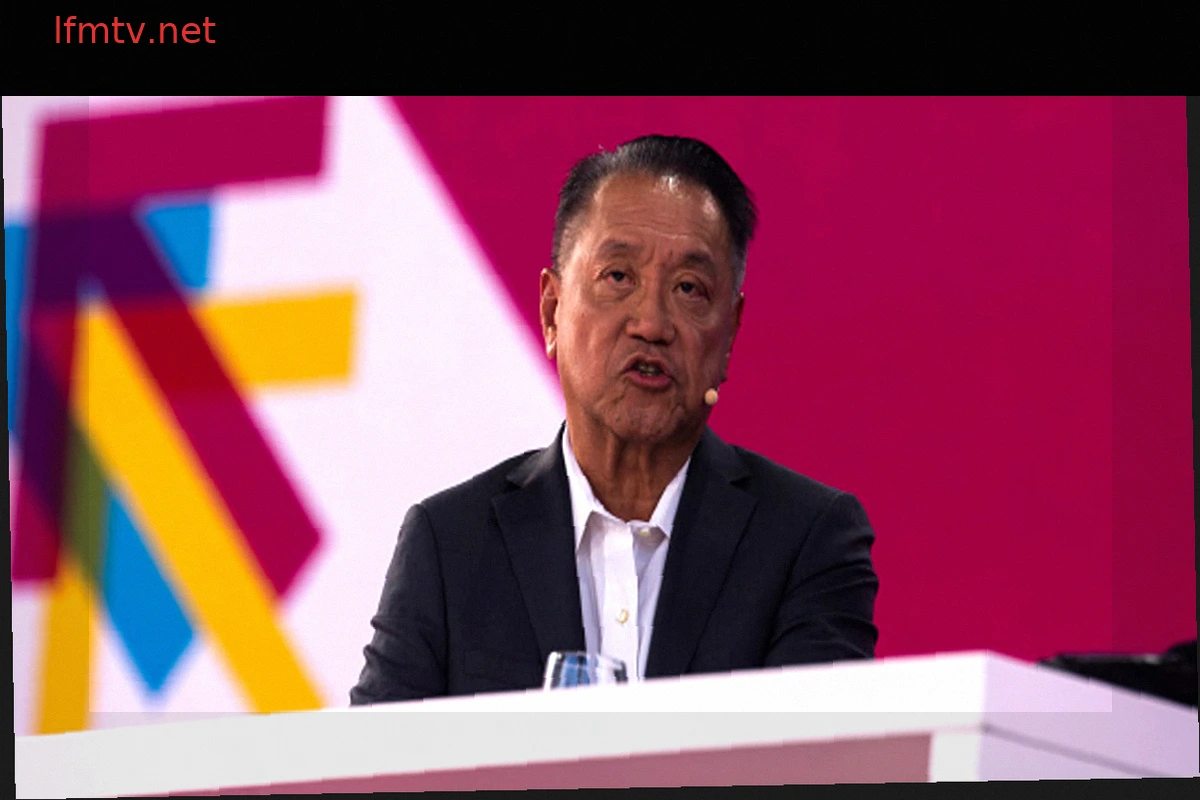
Key Stock Market Focus: Earnings, Cybersecurity, and Economic Data
This week, the stock market is under close observation as two prominent AI chipmakers, Broadcom and Palo Alto Networks, prepare to release their earnings. The dynamic cybersecurity landscape and the labor market will also be central themes. Here's an in-depth look at three critical areas t

Dolly Parton's Resilience: Underestimation as a Strength
For decades, Dolly Parton was surprisingly underestimated, a fact that ultimately became one of her greatest assets. In a 2015 interview at Dollywood Theme Park, the famously optimistic singer-songwriter candidly shared her past struggles with depression and feelings