Jim Cramer on the Bond Market's Impact on Stocks
Jim Cramer, the well-known host of CNBC's "Mad Money," has highlighted the critical importance of the bond market for stock investors, a topic he typically avoids. He asserts that persistent inflation and a significant increase in corporate borrowing are keeping long-term interest rates elevated, which in turn is putting downward pressure on the stock market.
Cramer noted that the yield on the 10-year Treasury has risen from below 4% in February to nearly 4.7%. Similarly, the 30-year Treasury yield has recently surpassed 5.3%, reaching its highest point in almost two decades. Concerns within the market were amplified earlier this month when a 30-year Treasury auction showed weaker demand than the previous month, despite offering higher yields.
Higher interest rates negatively affect the stock market in several ways. Firstly, they offer more attractive alternative investments for investors' capital, drawing money away from equities. Secondly, increased rates reduce the present value of future corporate profits, making stocks less appealing. This pressure has become evident in recent market performance, with the S&P 500 experiencing declines in five of the last seven trading sessions.
In response to these concerns, the Treasury Department announced it would more than double the size of its planned buybacks of longer-dated government debt. While this initially led to a brief drop in yields and a rally in stocks, the relief was temporary, as rates began to climb again shortly thereafter.
Cramer believes that the Treasury Department has limited capacity to resolve the fundamental issues, especially with the national debt now standing at $40 trillion. He stated that the only true solutions involve either reducing government spending or increasing revenue, neither of which the Treasury can accomplish unilaterally.
According to Cramer, the root causes of these elevated rates are high oil prices and a surge in corporate debt issuance driven by the buildout of artificial intelligence infrastructure. He explained that rising oil prices, exacerbated by geopolitical conflicts, are fueling inflation and complicating the Federal Reserve's efforts to lower short-term interest rates. Simultaneously, technology companies are undertaking substantial borrowing to finance the construction of data centers. This increased demand for capital from the corporate sector forces Treasurys to compete more intensely with a growing supply of corporate bonds for investor funds.
"As more incremental dollars go to shares or bonds from a hyperscaler, Treasury yields have to creep higher in order to stay competitive," Cramer observed.
Ultimately, Cramer concluded that a sustainable decrease in long-term interest rates will depend on successfully curbing the inflationary pressures that initially drove them up. He emphasized the need to bring inflation under control, suggesting that actions like reopening the Strait of Hormuz could be influential, though he acknowledged this is a challenging objective. Cramer also expressed that the Treasury Department's recent attempts to manage the situation have, in his opinion, only increased investor anxiety.
Fresh materials — MMA News

Trump Threatens to Destroy Iran's Kharg Island Oil Hub as Hostilities Escalate
U.S. forces have conducted strikes on two Iranian rocket launchers located on Larak Island. This action followed observations of Revolutionary Guard forces preparing rockets armed with sea mines for deployment into the Strait of Hormuz, according to confirmation from U.S. Central Command. N
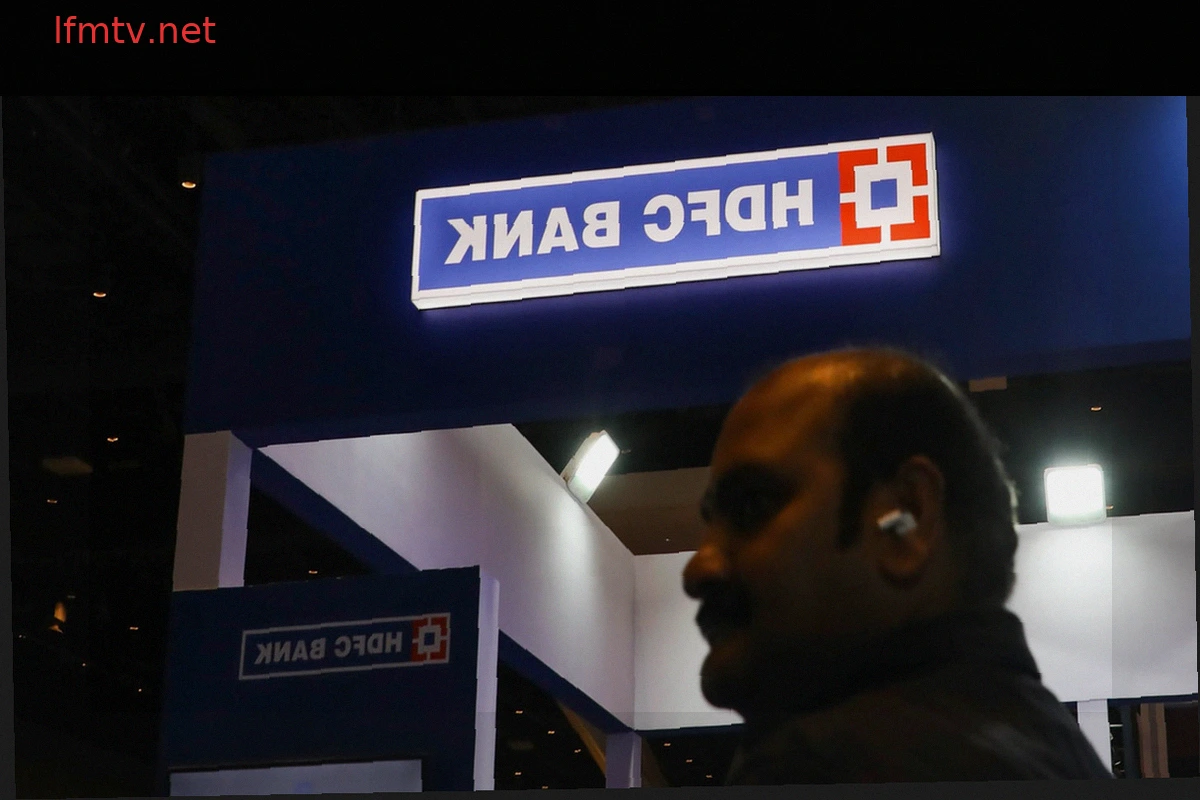
HDFC Bank Shares Rise on News of CEO's Unexpected Departure
HDFC Bank, India's largest private lender, experienced an increase in its share price on Monday, though it later pared back its gains. This movement followed a surprise announcement from Chief Executive Sashidhar Jagdishan that he will be exiting the bank upon the conclusion of his te
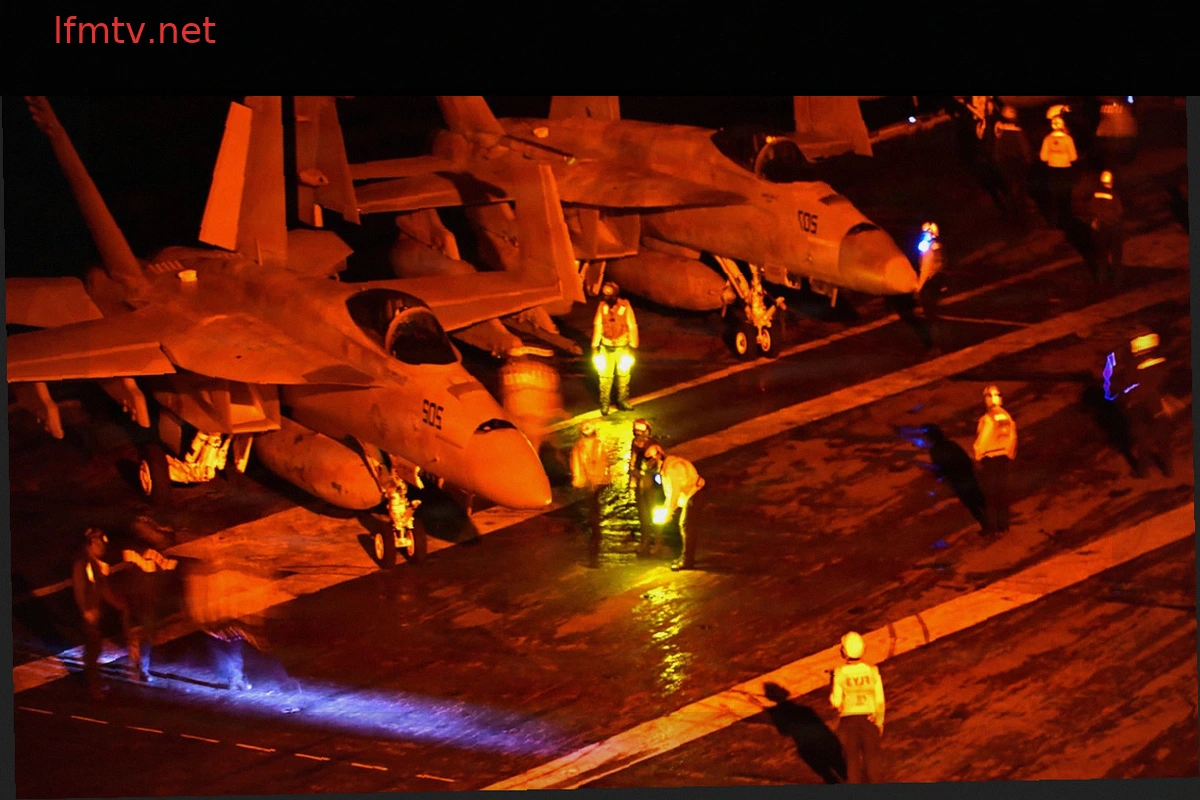
U.S. and Iran Exchange Strikes Amid Escalating Tensions
U.S. military forces carried out strikes on two Iranian rocket launchers located on Larak Island on Sunday. This action was taken following reports from the U.S. Central Command that Iranian Revolutionary Guard forces were preparing to launch rockets equipped with sea mines towards the
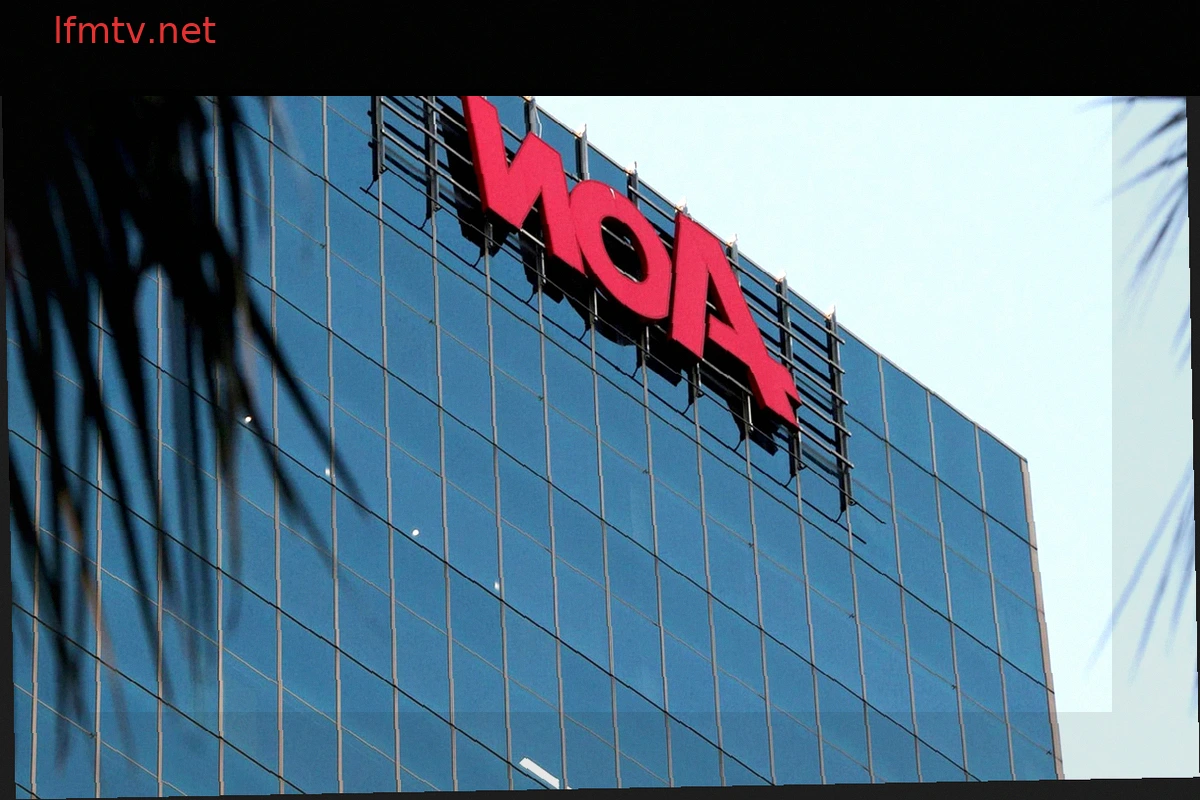
Aon Nears $17 Billion Deal to Acquire Insurance Broker USI from KKR
Aon is reportedly in advanced discussions to acquire USI, a prominent insurance brokerage firm, in a deal valued at approximately $17 billion, including debt. The seller is the private-equity firm KKR. According to The Wall Street Journal, the agreement could be announced as e

Key Stock Market Focus: Earnings, Cybersecurity, and Economic Data
This week, the stock market is under close observation as two prominent AI chipmakers, Broadcom and Palo Alto Networks, prepare to release their earnings. The dynamic cybersecurity landscape and the labor market will also be central themes. Here's an in-depth look at three critical areas t

Dolly Parton's Resilience: Underestimation as a Strength
For decades, Dolly Parton was surprisingly underestimated, a fact that ultimately became one of her greatest assets. In a 2015 interview at Dollywood Theme Park, the famously optimistic singer-songwriter candidly shared her past struggles with depression and feelings