Emergency Savings Shortfall Puts Working Households at Risk, Warns Suze Orman
A significant portion of working individuals are facing financial precarity due to a lack of emergency savings, a situation personal finance expert Suze Orman describes as dangerous. A recent survey indicates that over half of workers cannot cover a $500 emergency expense, leading many to forgo essential needs like medical care, food, or car repairs.
Data from the SecureSave survey reveals that 55% of workers lack sufficient funds for unexpected costs, with 41% reporting they have skipped necessary expenses due to these savings shortfalls. Orman highlights this as a critical issue, emphasizing that even employed individuals with steady paychecks are struggling to make ends meet.
Further evidence of financial strain comes from the Federal Reserve's 2025 report, which found that only 63% of adults could cover a $400 emergency with existing savings or by using a credit card that would be paid off promptly. This figure has remained stagnant for the past three years.
Consumers are experiencing budget pressures, evidenced by a 3.4% annual inflation rate as of July, exceeding the Federal Reserve's 2% target. Additionally, average gas prices have reached record highs for this time of year, contributing to the rising cost of living.
Total household debt has surged to $18.8 trillion, with auto loan balances reaching $1.71 trillion and credit card debt climbing to $1.26 trillion. Both auto loans and credit cards are experiencing elevated levels of new delinquencies.
The escalating cost of living has also prompted many to tap into their retirement accounts through hardship withdrawals. Vanguard data shows a significant increase in these withdrawals, from 2% in 2020 to 6% in 2025, as individuals access funds for emergencies, education, medical expenses, or home purchases.
The Secure 2.0 Act of 2022 aims to address this emergency savings gap by allowing penalty-free withdrawals of up to $1,000 from retirement plans for emergencies. The law also permits automatic enrollment in pension-linked emergency savings accounts (PLESAs) with annual contributions up to $2,600, tax-free and penalty-free.
While these legislative measures offer potential solutions, their implementation has been slow. Only a small percentage of 401(k) plans currently offer the $1,000 emergency withdrawal option, and PLESAs are still in early stages of adoption due to regulatory and developmental timelines.
Workplace emergency savings accounts, separate from retirement plans, are gaining traction. Companies like SecureSave and Sunny Day Fund, along with asset managers such as Fidelity and BlackRock, are offering these solutions. For employers, these accounts can be an inexpensive benefit that employees actively utilize.
Shai Akabas of the Bipartisan Policy Center believes further legislation is crucial to expand emergency savings options. Proposals like the Emergency Savings Enhancement Act aim to increase PLESA contribution limits and broaden eligibility, demonstrating a bipartisan effort to tackle the emergency savings shortfall.
Fresh materials — MMA News

Trump Threatens to Destroy Iran's Kharg Island Oil Hub as Hostilities Escalate
U.S. forces have conducted strikes on two Iranian rocket launchers located on Larak Island. This action followed observations of Revolutionary Guard forces preparing rockets armed with sea mines for deployment into the Strait of Hormuz, according to confirmation from U.S. Central Command. N
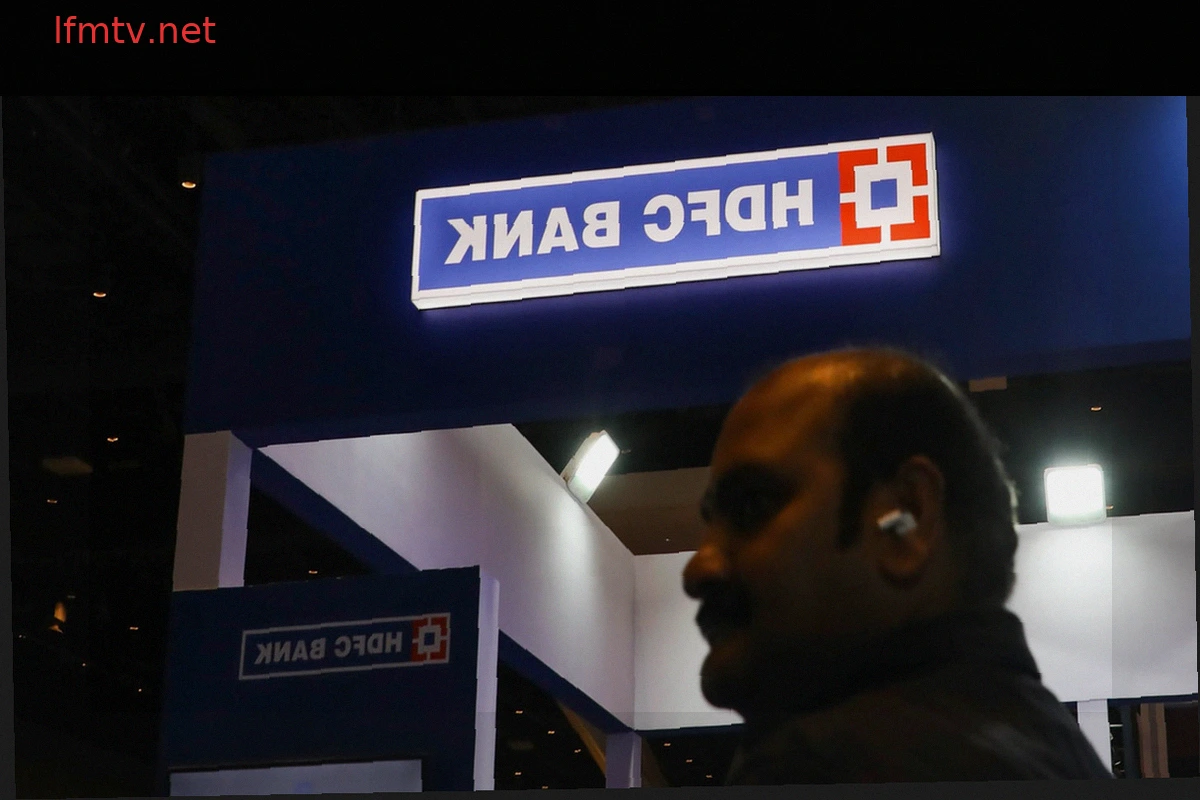
HDFC Bank Shares Rise on News of CEO's Unexpected Departure
HDFC Bank, India's largest private lender, experienced an increase in its share price on Monday, though it later pared back its gains. This movement followed a surprise announcement from Chief Executive Sashidhar Jagdishan that he will be exiting the bank upon the conclusion of his te

U.S. and Iran Exchange Strikes Amid Escalating Tensions
U.S. military forces carried out strikes on two Iranian rocket launchers located on Larak Island on Sunday. This action was taken following reports from the U.S. Central Command that Iranian Revolutionary Guard forces were preparing to launch rockets equipped with sea mines towards the
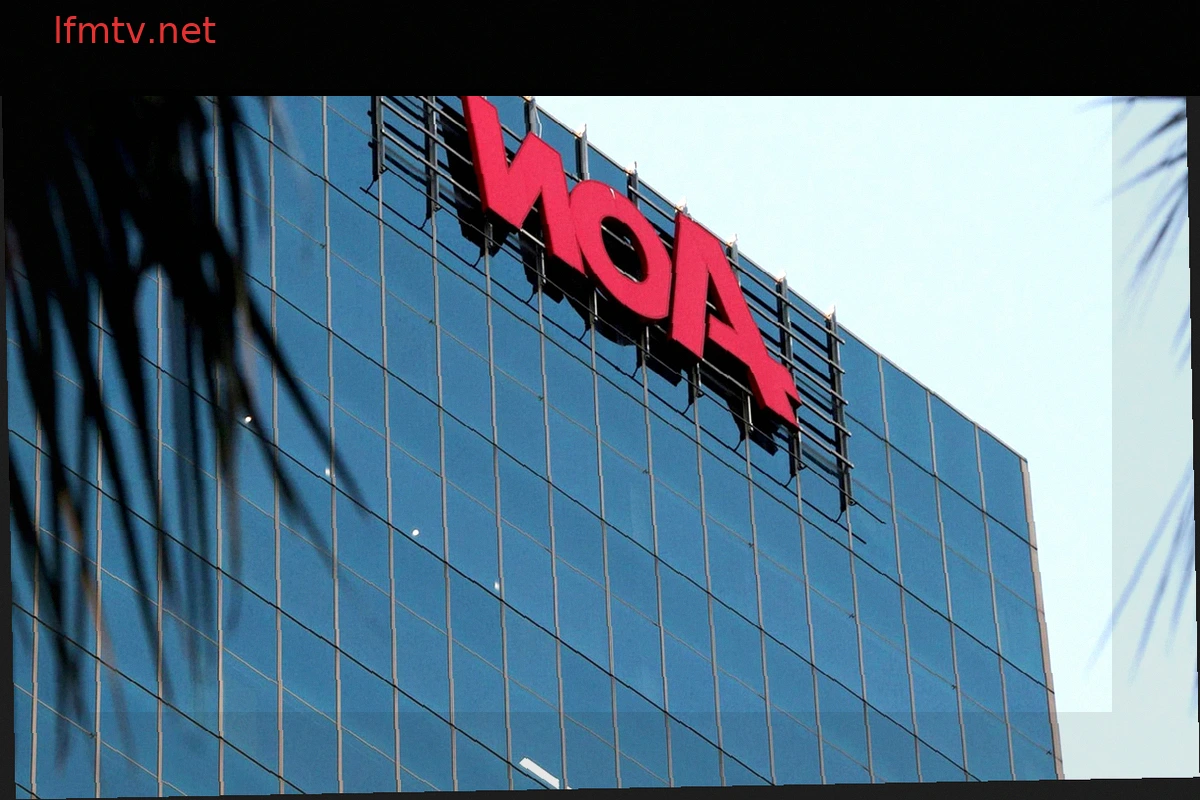
Aon Nears $17 Billion Deal to Acquire Insurance Broker USI from KKR
Aon is reportedly in advanced discussions to acquire USI, a prominent insurance brokerage firm, in a deal valued at approximately $17 billion, including debt. The seller is the private-equity firm KKR. According to The Wall Street Journal, the agreement could be announced as e

Key Stock Market Focus: Earnings, Cybersecurity, and Economic Data
This week, the stock market is under close observation as two prominent AI chipmakers, Broadcom and Palo Alto Networks, prepare to release their earnings. The dynamic cybersecurity landscape and the labor market will also be central themes. Here's an in-depth look at three critical areas t

Dolly Parton's Resilience: Underestimation as a Strength
For decades, Dolly Parton was surprisingly underestimated, a fact that ultimately became one of her greatest assets. In a 2015 interview at Dollywood Theme Park, the famously optimistic singer-songwriter candidly shared her past struggles with depression and feelings