China Industrial Profit Growth Slows Amidst Economic Downturn
In July, China experienced its weakest industrial profits growth for the year, with an increase of 11.2% compared to the previous year, according to data released by the National Bureau of Statistics on Thursday.
For the first seven months of the year, profits rose by 17.6% year-on-year, a decline in momentum from the 18.7% growth recorded in the first half of the year. This data encompasses companies with core business revenues exceeding 20 million yuan ($2.9 million) annually.
Industrial corporate profitability has shown a significant recovery, moving from several years of decline since 2021 and minimal positive growth last year to double-digit gains this year. This turnaround was largely attributed to the global boom in artificial intelligence, which boosted demand for computing and electronics manufacturing.
However, the boost from rising producer prices appears to be diminishing. While factory-gate inflation in China had reached its fastest pace in nearly four years in June, driven by surging global energy costs, domestic demand has lagged. This trend was evident as producer price inflation slowed to a three-month low of 3.5% in July.
Furthermore, the overall growth of the world's second-largest economy also softened in the second quarter, reaching its slowest pace in over three years.
Economists anticipate that Chinese authorities will increase targeted support measures to stabilize corporate profitability. This is especially relevant as consolidation accelerates in sectors facing weak demand, intense competition, and aggressive price wars.
Sophie Altermatt, an economist at Julius Baer, suggested that the utilization of existing fiscal resources will likely quicken in the coming months. She also noted that additional easing measures could be implemented if the economic slowdown continues. While these actions should offer some near-term stability and a floor for growth, a robust cyclical rebound is considered unlikely due to the ongoing property market slump, subdued household confidence, and restrained private investment, which are all limiting factors for recovery.
Fresh materials — MMA News

Trump Threatens to Destroy Iran's Kharg Island Oil Hub as Hostilities Escalate
U.S. forces have conducted strikes on two Iranian rocket launchers located on Larak Island. This action followed observations of Revolutionary Guard forces preparing rockets armed with sea mines for deployment into the Strait of Hormuz, according to confirmation from U.S. Central Command. N
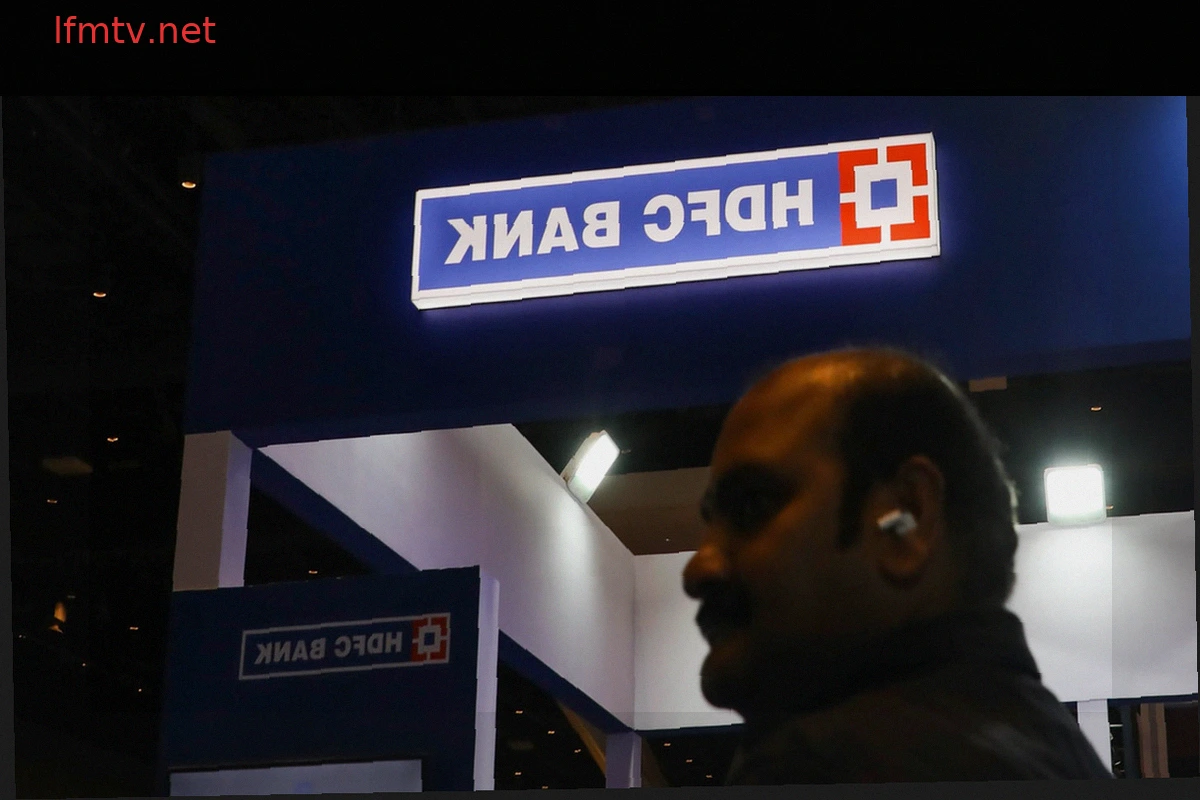
HDFC Bank Shares Rise on News of CEO's Unexpected Departure
HDFC Bank, India's largest private lender, experienced an increase in its share price on Monday, though it later pared back its gains. This movement followed a surprise announcement from Chief Executive Sashidhar Jagdishan that he will be exiting the bank upon the conclusion of his te

U.S. and Iran Exchange Strikes Amid Escalating Tensions
U.S. military forces carried out strikes on two Iranian rocket launchers located on Larak Island on Sunday. This action was taken following reports from the U.S. Central Command that Iranian Revolutionary Guard forces were preparing to launch rockets equipped with sea mines towards the
Aon Nears $17 Billion Deal to Acquire Insurance Broker USI from KKR
Aon is reportedly in advanced discussions to acquire USI, a prominent insurance brokerage firm, in a deal valued at approximately $17 billion, including debt. The seller is the private-equity firm KKR. According to The Wall Street Journal, the agreement could be announced as e
Key Stock Market Focus: Earnings, Cybersecurity, and Economic Data
This week, the stock market is under close observation as two prominent AI chipmakers, Broadcom and Palo Alto Networks, prepare to release their earnings. The dynamic cybersecurity landscape and the labor market will also be central themes. Here's an in-depth look at three critical areas t

Dolly Parton's Resilience: Underestimation as a Strength
For decades, Dolly Parton was surprisingly underestimated, a fact that ultimately became one of her greatest assets. In a 2015 interview at Dollywood Theme Park, the famously optimistic singer-songwriter candidly shared her past struggles with depression and feelings