What We Learned from Warsh's Jackson Hole Speech, and GE Vernova's CFO to Retire
Federal Reserve Chairman Kevin Warsh's speech at the annual Jackson Hole symposium has led Wall Street to digest its morning gains. While the S&P 500 is down approximately 0.25% and the tech-heavy Nasdaq has fallen about 0.4%, the Dow industrials remain relatively flat. Despite this slight pullback, the market has had a winning week. Treasury yields have risen across the board, as the market interprets Warsh's comments, particularly his statement that the Fed has more "work to do" to curb inflation, as hawkish. Consequently, traders now perceive a nearly 60% likelihood of a rate hike at the Fed's September 15-16 policy meeting, a significant increase from the 35% probability seen just a day prior, according to CME Group's FedWatch tool.
In his first address at Jackson Hole, Warsh elaborated on his conviction that central bankers should refrain from signaling future policy moves to the market, a practice known as "forward guidance." He acknowledged its necessity during the Great Recession, when it originated (Warsh was a Fed governor at the time). However, he believes its utility has diminished, and in some respects, it may be more detrimental than beneficial. Warsh argued that forward guidance contributes to market "noise," obscuring crucial economic "signals" that the Fed requires for effective monetary policy adjustments. He advocates for a market focus shifting away from central bankers' pronouncements and towards underlying economic conditions, credit availability, commodity prices, and similar factors.
Warsh described a "hall-of-mirrors problem" that arises when markets heavily rely on Fed guidance and the Fed, in turn, considers market dynamics for its policy adjustments. This mutual dependence, he stated, can blind both parties to new developments, increasing the likelihood of policy errors. As an illustration, Warsh suggested that the Fed's forward guidance in 2021 contributed to its delayed response to the high inflation experienced after the Covid-19 pandemic. He emphasized that the repercussions of policy mistakes are felt more acutely by the general public ("Main Street") than by Wall Street, which can more easily adjust to or even capitalize on Fed missteps. Main Street, conversely, bears the burden of high inflation and employment instability.
Another significant theme in Warsh's speech was the artificial intelligence (AI) boom, which he identified as a complicating factor in the interest rate outlook. Warsh characterized the current era as a "hinge point in history" due to AI, with the potential for increased economic growth. He referred to AI as a "new variable, potentially a new factor of production." While acknowledging AI's transformative impact on the economy and regulatory approaches, Warsh highlighted the emergence of critical, unanswered questions. He posed rhetorical questions about AI's potential for significant, sustained productivity gains, its impact on labor (complementary or competitive), and whether future AI models will require greater capital intensity or offer capital-light solutions. He also raised concerns about market structure, the distribution of returns on capital, and the ultimate benefits for businesses, consumers, and workers.
Our interpretation is that while it is premature to provide definitive answers to these AI-related questions and thus act upon them, it is clear that artificial intelligence will significantly influence the Fed's future considerations regarding interest rates.
In other news, GE Vernova is preparing for a leadership transition in its finance department as Chief Financial Officer Ken Parks plans to retire next year. Following the market close on Thursday, the gas turbine manufacturer announced that Claire McDonough will assume the CFO role on January 1. McDonough joins GE Vernova from Rivian Automotive, where she served as CFO for five years. It is important to note that Parks' departure is a retirement, and he will remain with the company through its next two earnings calls, allowing for an orderly transition. Furthermore, Parks will continue to serve as an advisor to CEO Scott Strazik until the first quarter of 2027. McDonough brings a wealth of experience, including substantial familiarity with manufacturing operations. She played a key role in guiding Rivian through its 2021 initial public offering, subsequent capital raises, and the establishment of a joint venture with Volkswagen. GE Vernova also has a history of joint ventures, including a long-standing partnership with Japan's Hitachi for nuclear technology, and recently formed a JV with South Korea's LS Electric.
CEO Scott Strazik praised McDonough's qualifications, stating in a press release that she offers a "sophisticated blend of capital markets expertise and hands-on operational leadership." He described her as a "highly disciplined, detail-oriented leader who thrives in complex, mission-driven environments" and expressed confidence that she is the right leader for GE Vernova's continued profitable growth and advancement in the energy sector.
GE Vernova's stock (GEV) has seen a decline of over 2%, mirroring weakness in other AI infrastructure-related companies such as Caterpillar, Club names Corning and Eaton, and Vertiv.
Looking ahead to next week, notable earnings reports include Palo Alto Networks on Tuesday and Broadcom on Wednesday evening. Other significant reports are expected from Dell, Hewlett Packard Enterprise, Snowflake, Five Below, Ciena, Campbell's, Medtronic, Zscaler, and Lululemon. This week also features important economic data, culminating on Friday with the release of the August nonfarm payrolls report. This report is often considered the most crucial economic indicator of the month. The stakes are particularly high following a negative 23,000 print in July, which may have been influenced by the FIFA World Cup. A strong positive number would help reassure investors about the labor market's health. While robust job gains could provide the Fed with further justification for potential interest rate hikes before year-end, a healthy economy remains a primary objective, which is underpinned by job growth.
Economists polled by FactSet anticipate that the economy added 65,000 jobs in August, with the unemployment rate expected to rise by 0.1% from July to 4.2%.
Fresh materials — MMA News
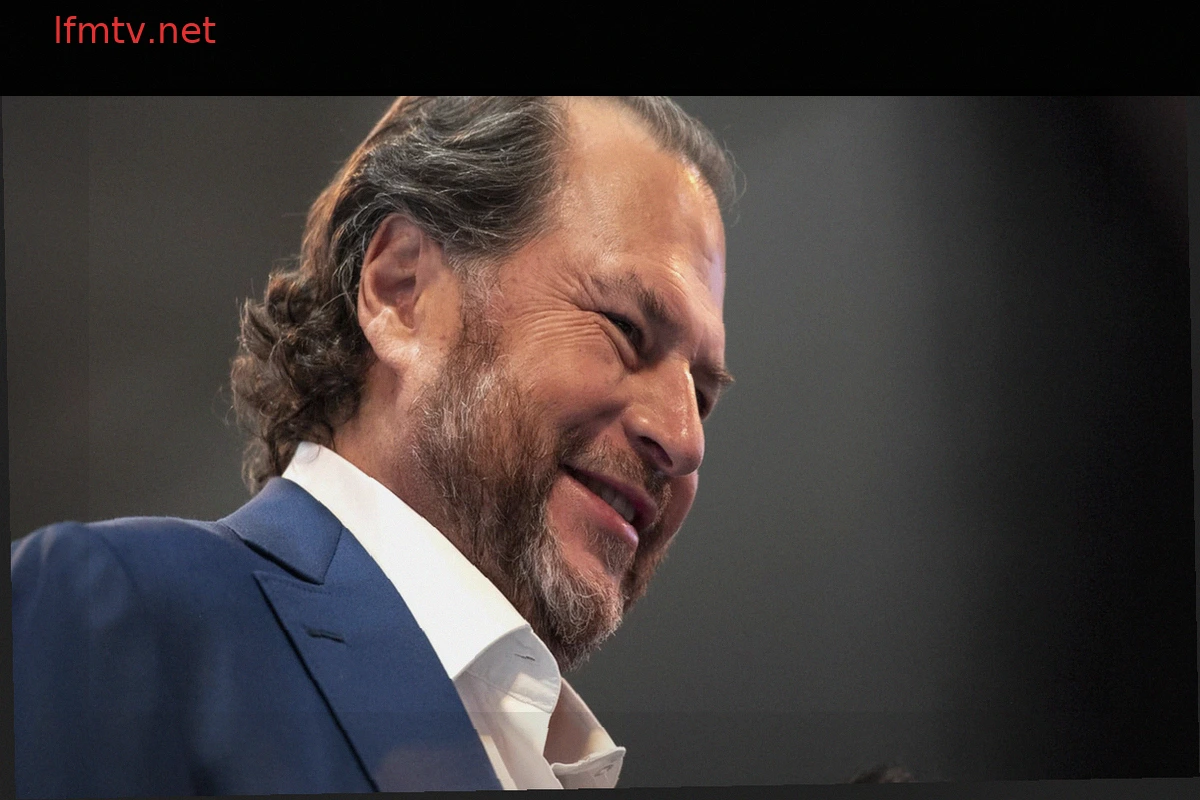
Salesforce's AI Advancements Reinvigorate Marc Benioff's Leadership Amidst Skepticism
For nearly a year, Salesforce CEO Marc Benioff has faced considerable doubt regarding the company's ability to withstand the AI revolution. Despite these concerns, Benioff has consistently dismissed the notion that AI poses an existential threat, asserting that Salesforce has navigate
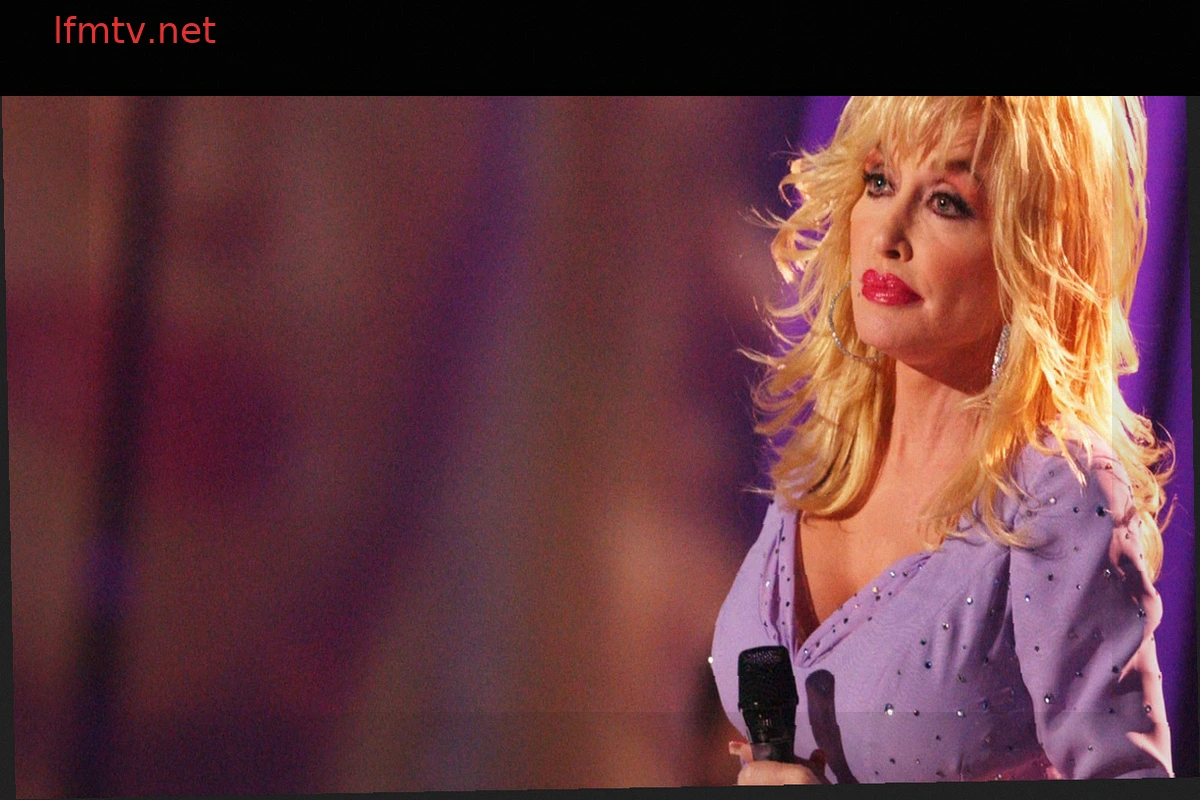
Dolly Parton: The Underrated Genius Whose Strengths Defined Her Success
In a candid 2015 interview, Dolly Parton, known for her unwavering positivity, opened up about a period of personal struggle with depression. She shared with me at her beloved Dollywood Theme Park in Pigeon Forge, Tennessee, that she had been grappling with personal issues and a sense
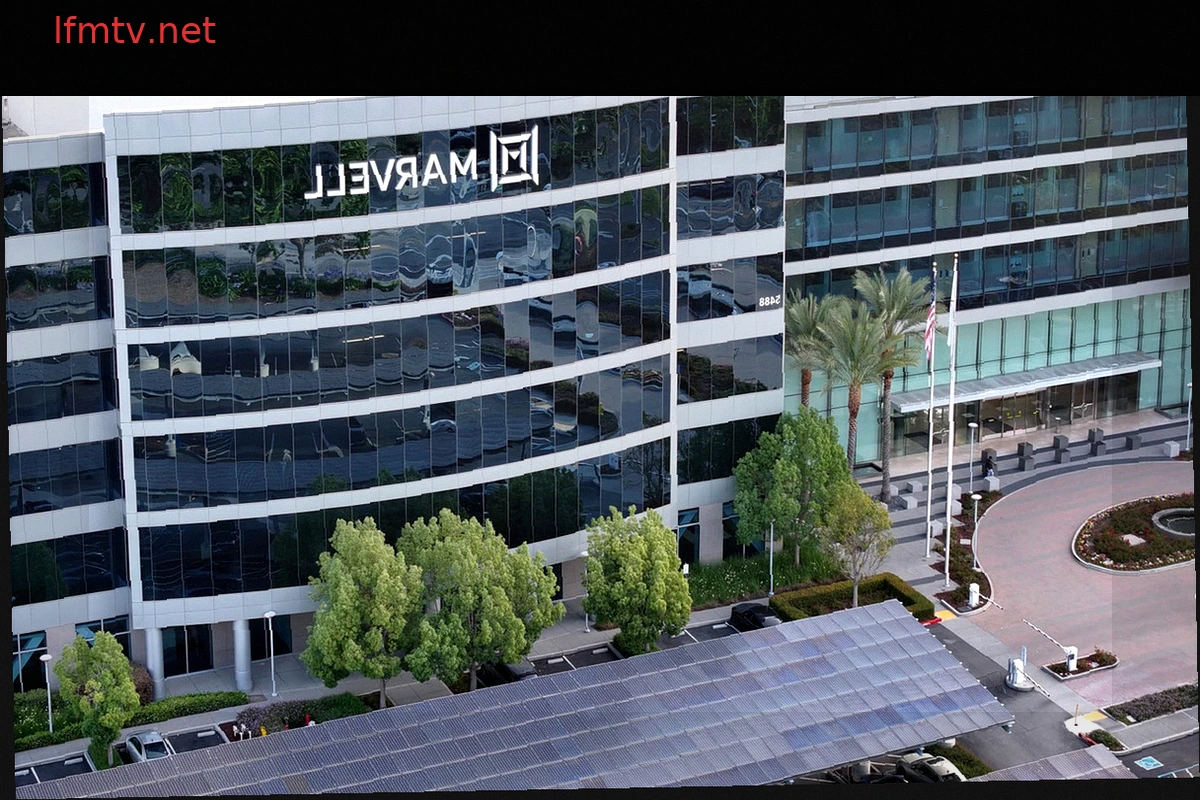
Marvell Shares Dip Despite Strong Revenue Growth and Outlook Increase
Marvell Technology experienced a notable drop in its stock value, with shares falling by 8% in premarket trading. This decline occurred even though the company reported second-quarter revenue that surpassed expectations and provided an optimistic, though ultimately insufficient, fiscal
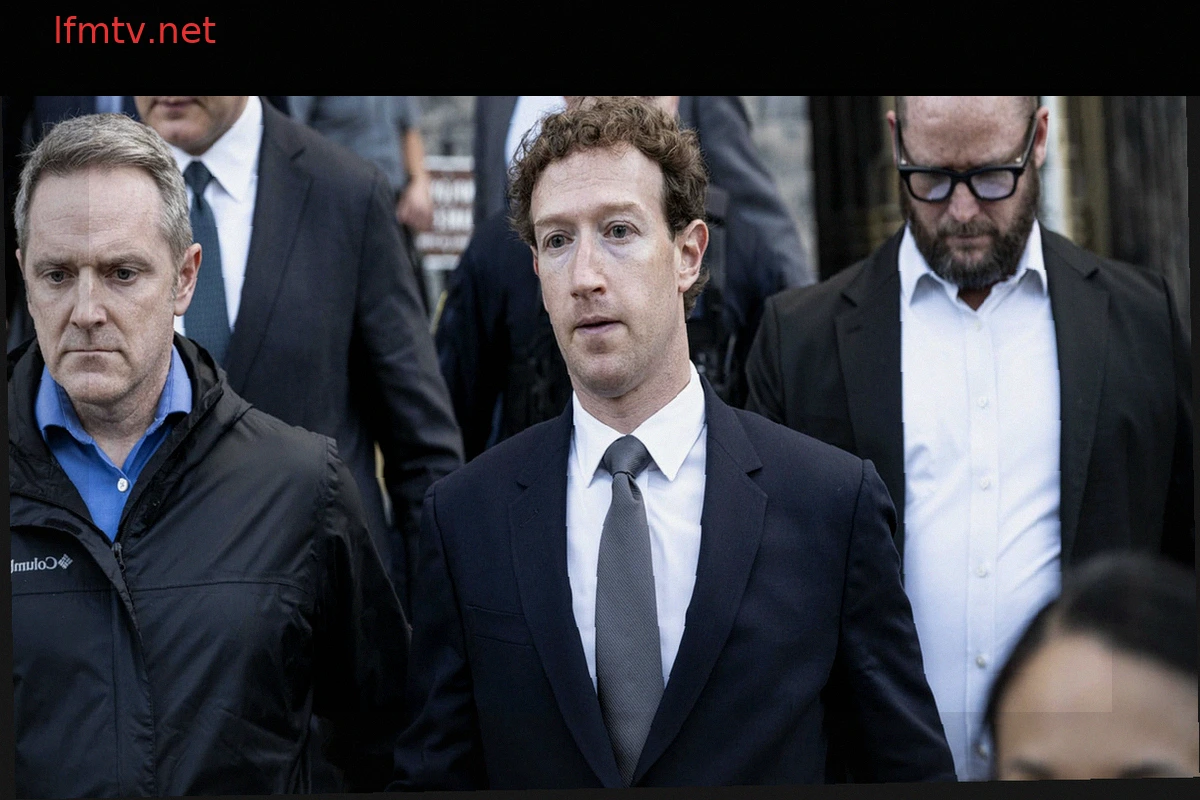
Meta's Landmark Settlement: TikTok and YouTube Face Scrutiny Over Youth Safety
Meta's significant social media trial in California has concluded, but the focus is now shifting to other major platforms like TikTok, YouTube, and Snap. Meta, the parent company of Instagram and Facebook, reached a settlement with a coalition of U.S. states after they accused the tec
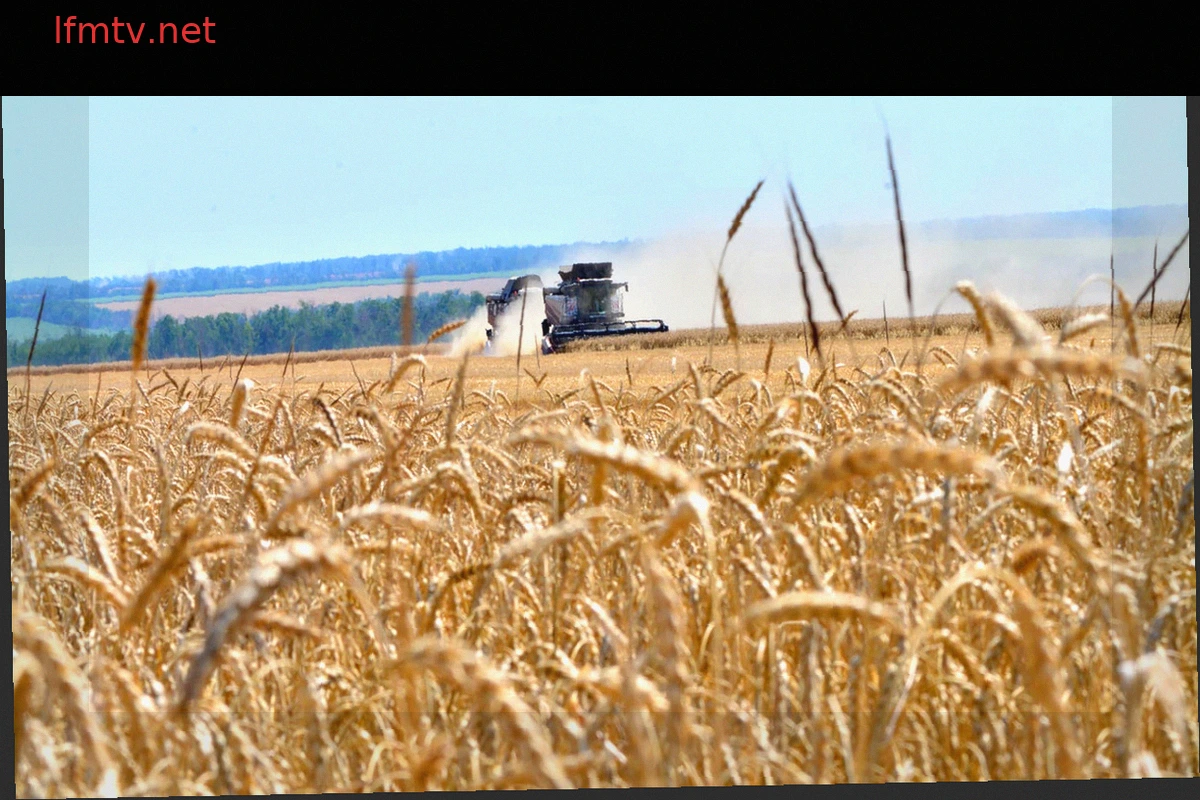
Corn and Wheat Prices Jump to Highest Levels in Over Three Years
Prices for both corn and wheat have reached their highest points in more than three years. However, the underlying reasons for these recent price increases differ significantly for each grain. Wheat futures closed up 3.1% at 784 cents per bushel on Friday, after reaching a pea
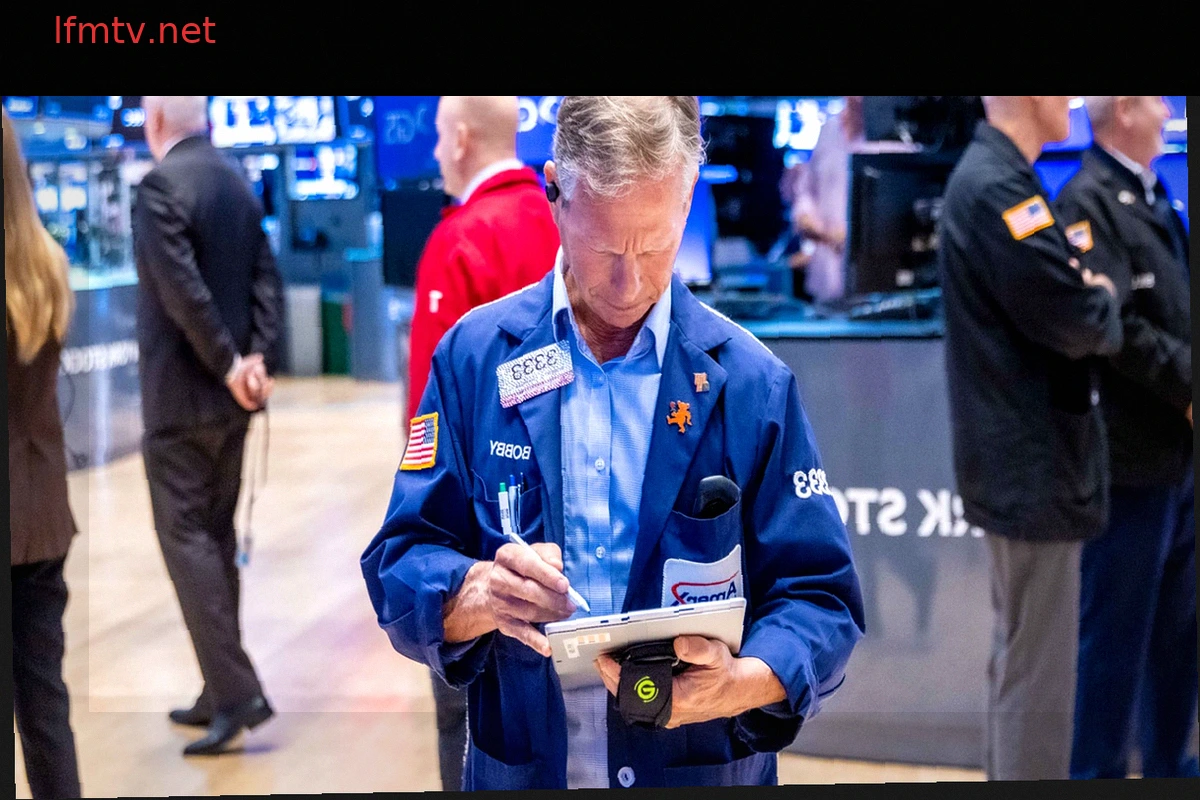
Stock Traders Embrace Fed Rate Hike Signals as Volatility Index Hits Yearly Low
Federal Reserve Chair Kevin Warsh's recent remarks have significantly increased the likelihood of an interest rate hike by the central bank in its September meeting, with futures odds jumping to nearly 60 percent from 35 percent. Surprisingly, this prospect seems to be well-received by stock trade