Stock Traders Embrace Fed Rate Hike Signals as Volatility Index Hits Yearly Low
Federal Reserve Chair Kevin Warsh's recent remarks have significantly increased the likelihood of an interest rate hike by the central bank in its September meeting, with futures odds jumping to nearly 60 percent from 35 percent. Surprisingly, this prospect seems to be well-received by stock traders.
The Cboe Volatility Index (VIX), a key measure of expected stock price fluctuations, dropped to its lowest level of the year at 14.1 following Warsh's speech. While the S&P 500 experienced a slight dip during the session, the decline was far less severe than anticipated by options pricing. This resilience in equities stands in contrast to significant drops in Bitcoin and gold, both falling by at least 2.5 percent, suggesting a broader investor preparation for higher interest rates across asset classes.
According to Ben Emons, managing director at Highline Asset Management, the low VIX reflects a positive outlook: "A Fed that is vigilant on inflation without having to hike aggressively is seen as positive for the economy to bring inflation down, bolstering the bull case for stocks."
While the short-term volatility index has decreased, longer-term volatility expectations, as indicated by the S&P 500 options term structure, suggest that the full impact of higher interest rates may not be felt for several months. Mandy Xu, head of derivatives market intelligence at Cboe, noted that "Uncertainty around inflation/path of rates will have an impact on longer-term equity volatility, which is why the SPX term structure has steepened so much." The spread between six-month and one-month S&P 500 options is currently at a yearly high.
Despite the shift in expectations towards a rate hike, the overall volatility curve remains subdued. James Perry, founder and chief investment officer at Perry International Capital Partners, commented that "The Fed is still technically in ease mode. When oil goes down, inflation expectations will fall further."
Fresh materials — MMA News
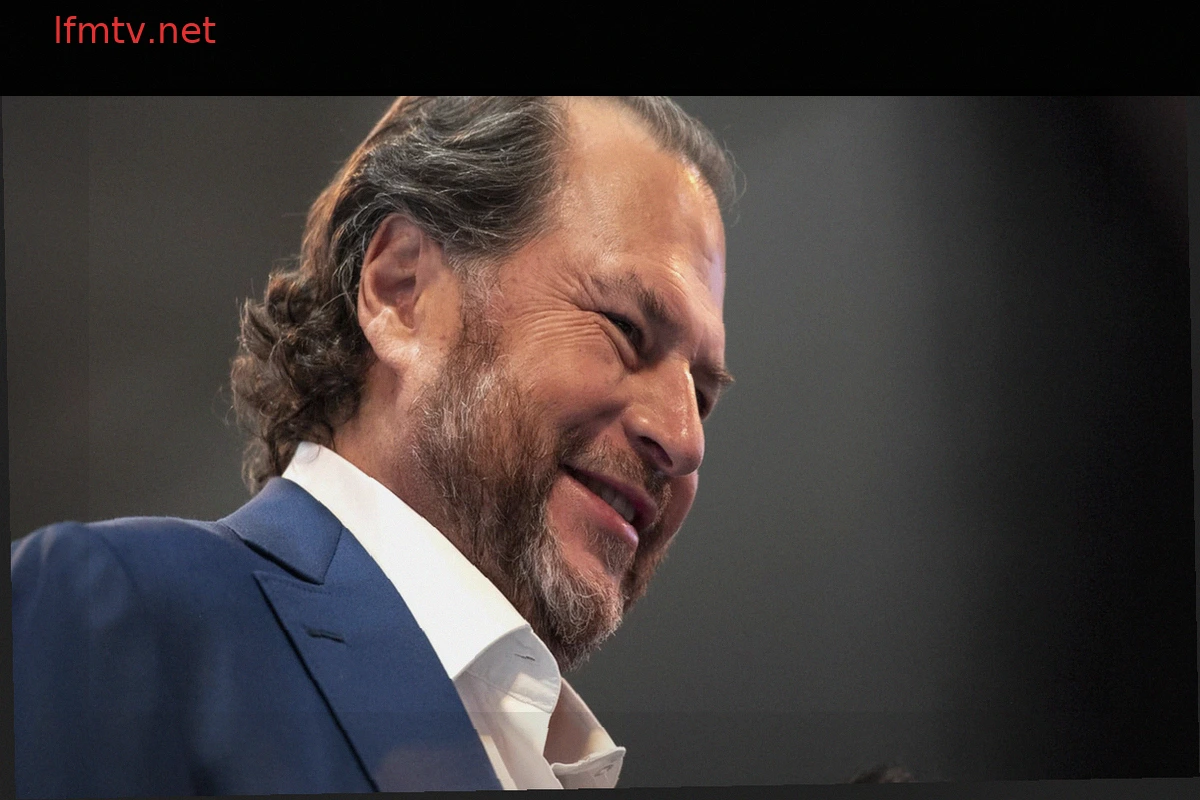
Salesforce's AI Advancements Reinvigorate Marc Benioff's Leadership Amidst Skepticism
For nearly a year, Salesforce CEO Marc Benioff has faced considerable doubt regarding the company's ability to withstand the AI revolution. Despite these concerns, Benioff has consistently dismissed the notion that AI poses an existential threat, asserting that Salesforce has navigate
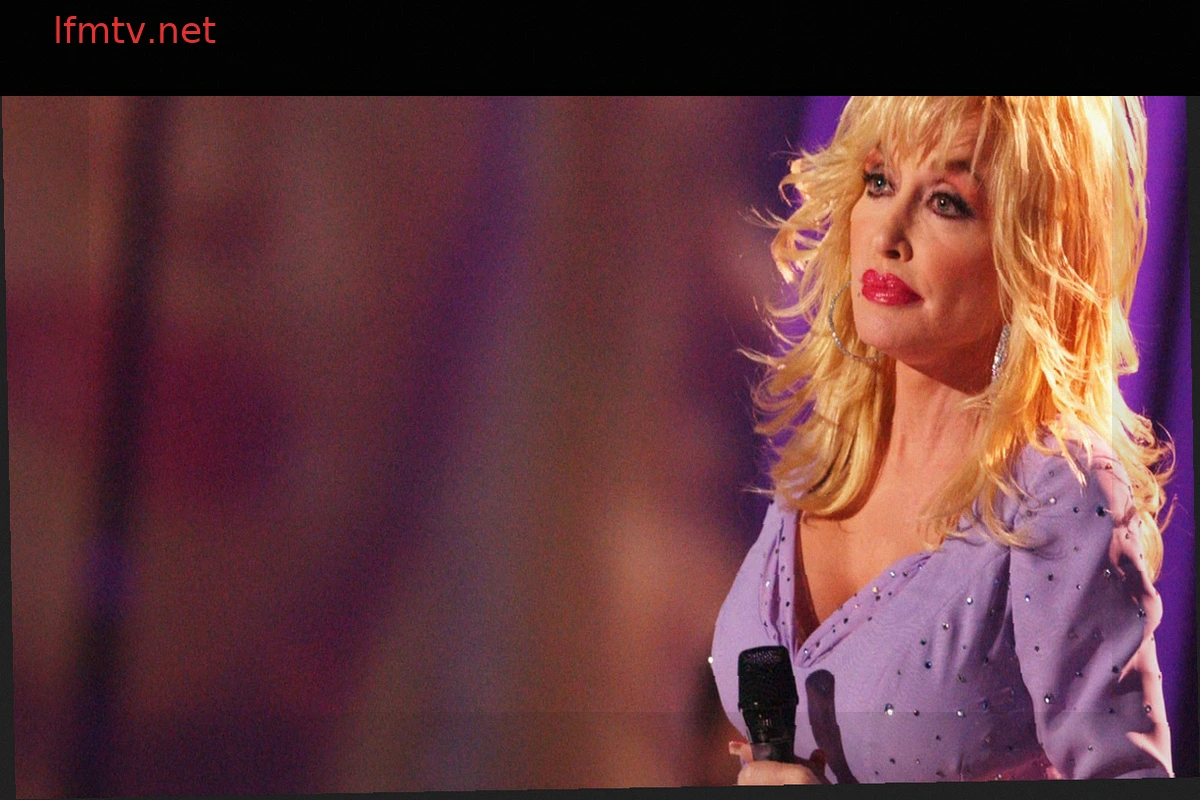
Dolly Parton: The Underrated Genius Whose Strengths Defined Her Success
In a candid 2015 interview, Dolly Parton, known for her unwavering positivity, opened up about a period of personal struggle with depression. She shared with me at her beloved Dollywood Theme Park in Pigeon Forge, Tennessee, that she had been grappling with personal issues and a sense
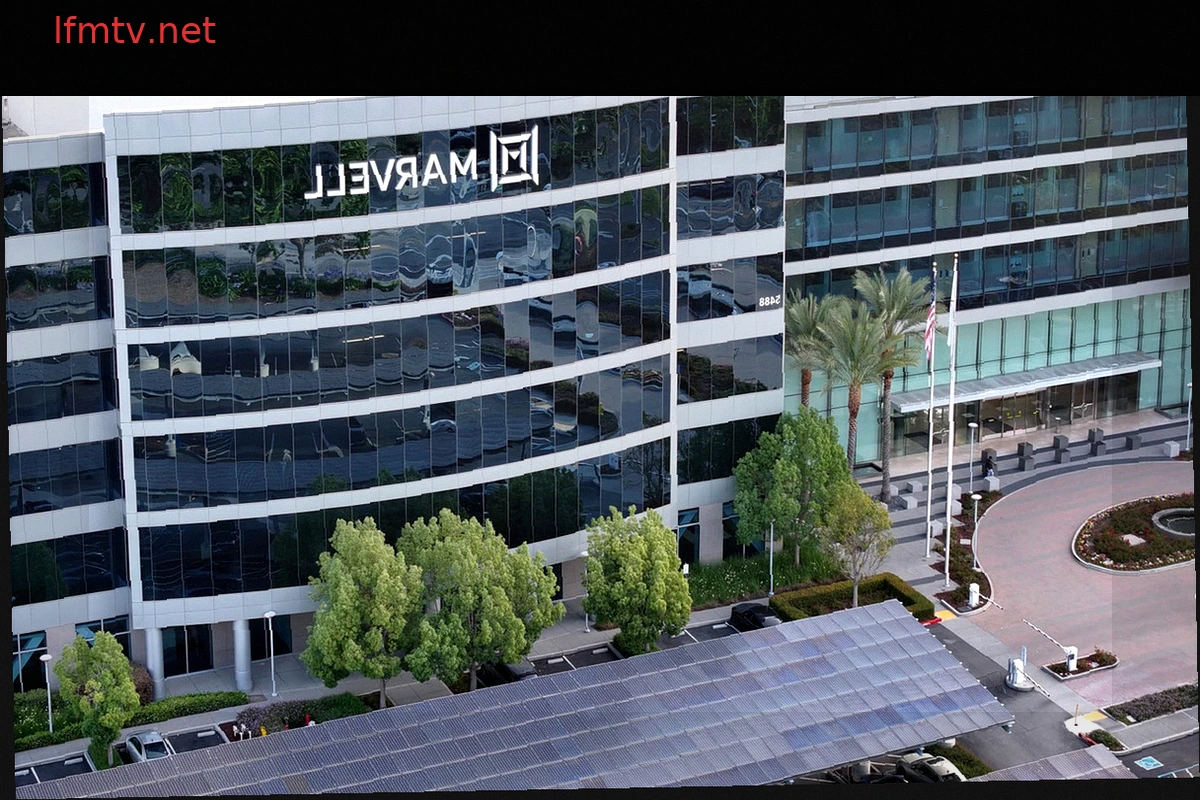
Marvell Shares Dip Despite Strong Revenue Growth and Outlook Increase
Marvell Technology experienced a notable drop in its stock value, with shares falling by 8% in premarket trading. This decline occurred even though the company reported second-quarter revenue that surpassed expectations and provided an optimistic, though ultimately insufficient, fiscal
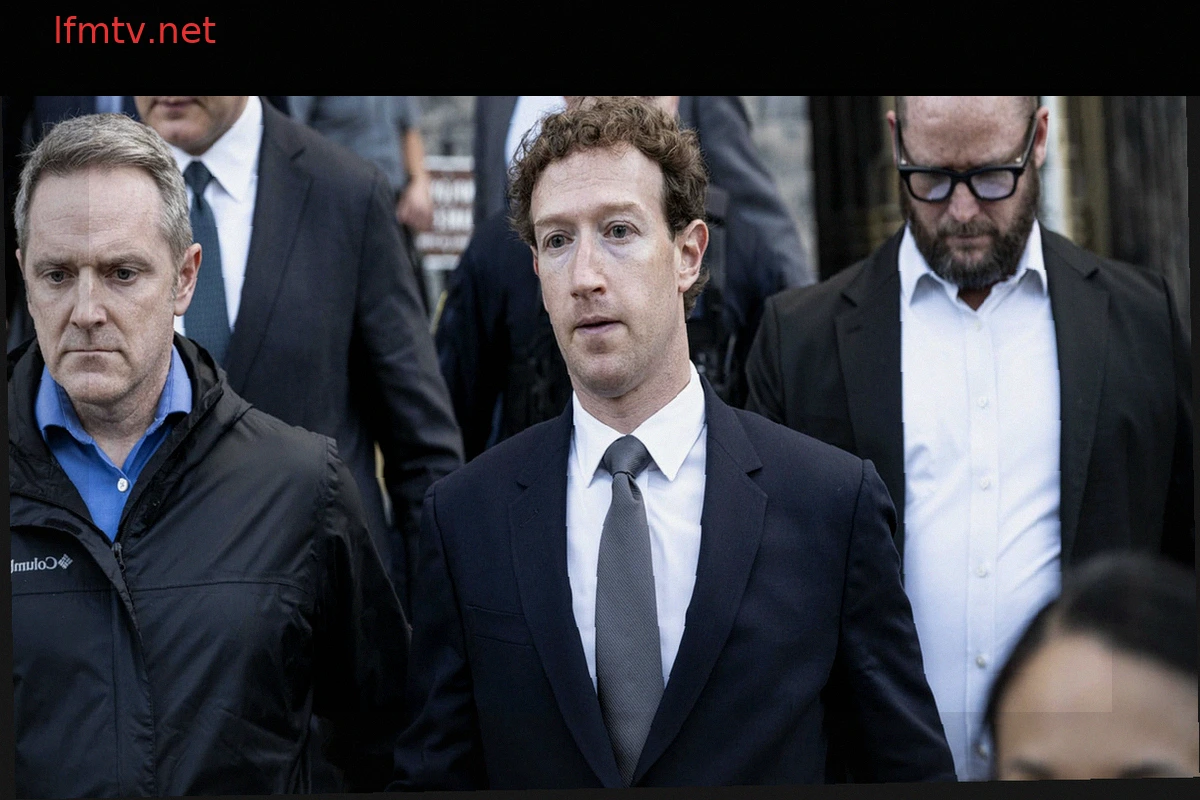
Meta's Landmark Settlement: TikTok and YouTube Face Scrutiny Over Youth Safety
Meta's significant social media trial in California has concluded, but the focus is now shifting to other major platforms like TikTok, YouTube, and Snap. Meta, the parent company of Instagram and Facebook, reached a settlement with a coalition of U.S. states after they accused the tec
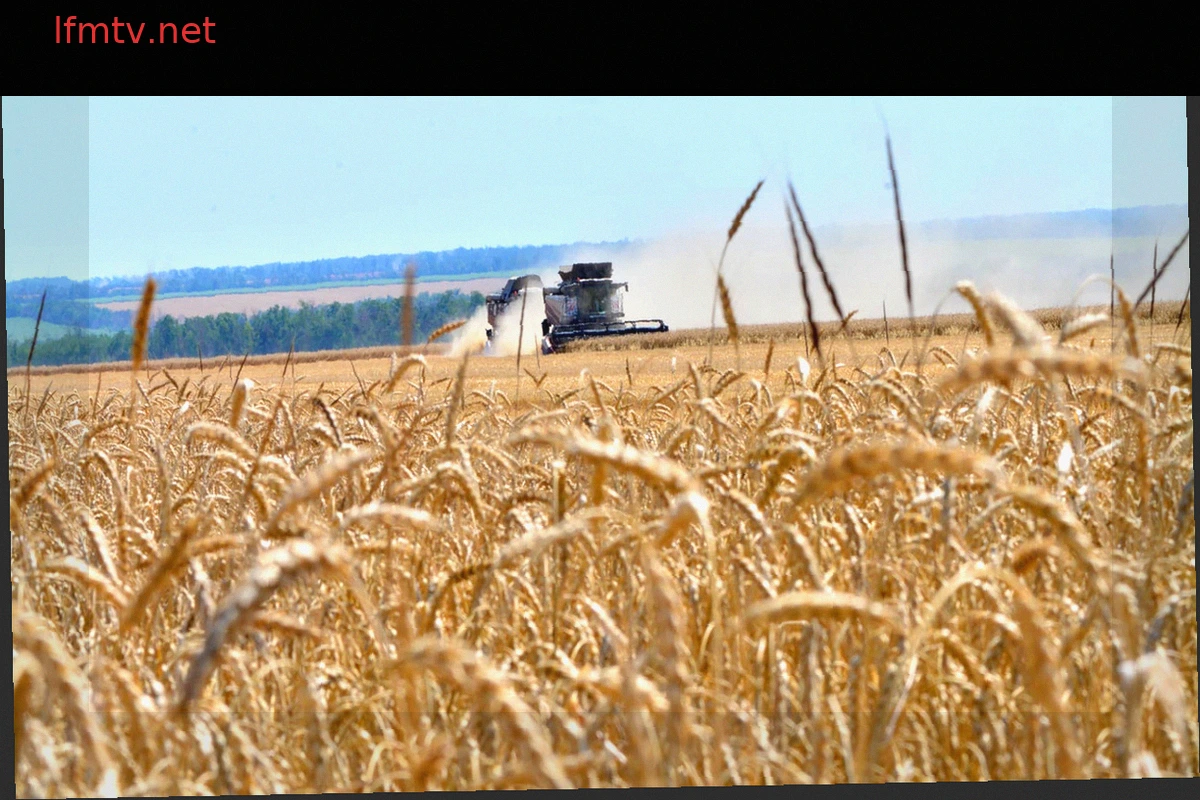
Corn and Wheat Prices Jump to Highest Levels in Over Three Years
Prices for both corn and wheat have reached their highest points in more than three years. However, the underlying reasons for these recent price increases differ significantly for each grain. Wheat futures closed up 3.1% at 784 cents per bushel on Friday, after reaching a pea
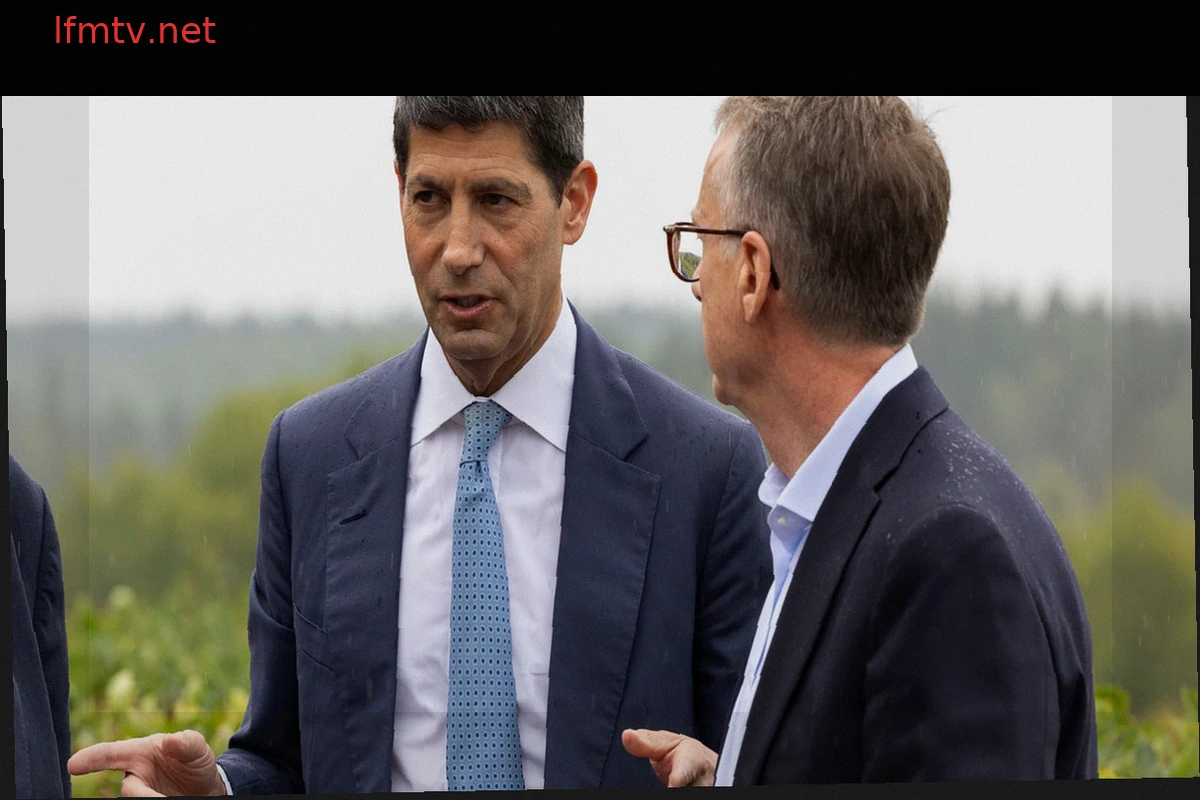
What We Learned from Warsh's Jackson Hole Speech, and GE Vernova's CFO to Retire
Federal Reserve Chairman Kevin Warsh's speech at the annual Jackson Hole symposium has led Wall Street to digest its morning gains. While the S&P 500 is down approximately 0.25% and the tech-heavy Nasdaq has fallen about 0.4%, the Dow industrials remain relatively flat. Despite this s