The 2025 Teamfight Tactics Paris Open was billed as a premier competitive event, featuring 768 strategists battling for a $300,000 prize pool. Yet, the real innovation lay not in the competitive bracket, but in Riot Games` execution of a massive, inclusive cultural festival that fundamentally redefined what an esports event can achieve.
In a world where esports is often distilled down to sterile competition and broadcast metrics, the gathering at the Paris Expo Porte de Versailles demonstrated a powerful counter-narrative. Riot Games successfully engineered an environment where competition served as the backdrop for a deep, community-first celebration. The result was an experience that felt less like a high-stakes tournament and more like a pivotal annual convention.
Beyond the Bracket: The Festival of Tactics
For the thousands of attendees—ranging from dedicated content creators to casual fans—the competitive stage was merely one attraction among many. Riot Games meticulously cultivated an atmosphere rich with interactive, non-competitive activations designed to celebrate the entire ecosystem of Teamfight Tactics (TFT).
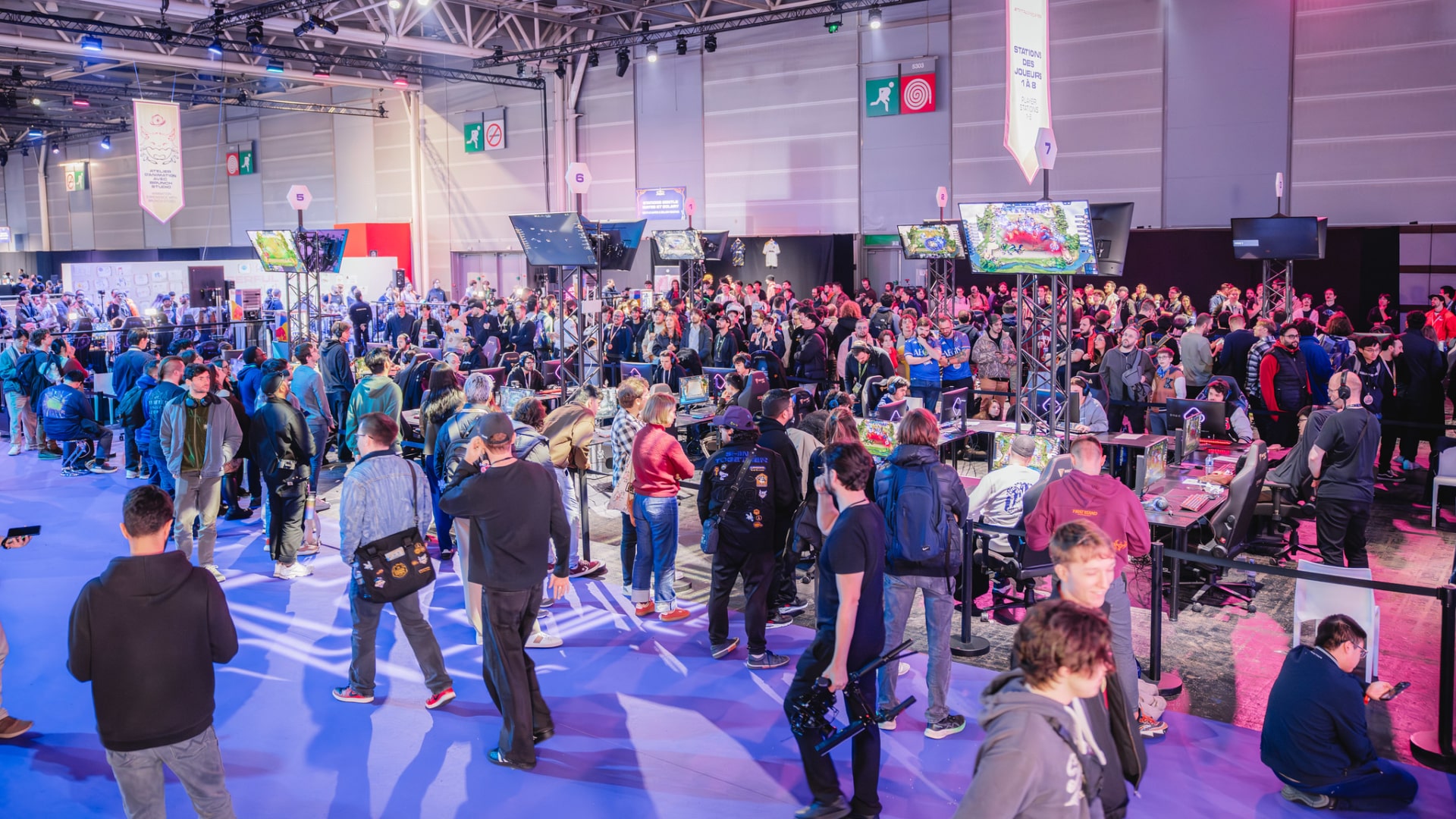
The activations were diverse and thoughtfully integrated: an arcade section allowed fans to preview Riot`s upcoming fighting game, 2XKO, while another corner offered a sneak peek at the new Riftbound set. Highlighting the game`s cultural resonance was the Artist Alley, where sixteen community artists displayed and sold TFT-themed merchandise, underscoring the deep creative investment the player base has in the game.
Perhaps the most charming examples of this cultural commitment were the event`s themed dining and art displays. Attendees could queue for treats at the “Pengu Pâtisserie” (a wonderfully Gallic touch for a high-stakes competition) or view an art gallery featuring famous classical paintings reimagined with TFT’s endearing Little Legends. This blending of competitive intensity with themed confectionery suggests a necessary maturity in the esports scene: recognizing that a passionate community requires both sharp competition and spaces for genuine, low-stakes enjoyment.
The interactive elements extended beyond static displays. Panels, Q&A sessions, pop-culture trivia, and co-streamer meet-ups ensured that even casual observers felt connected. For one couple, the connection was permanent, culminating in a highly publicized marriage proposal—a testament to the emotional centrality TFT holds in the lives of its players.
The Adoption Curve: Where Strategy Becomes Family Time
A distinctive feature of the Paris Open was the high visibility of families. The tournament attracted not just adult competitors, but parents introducing their children to the world of auto-battlers, suggesting a crucial shift in esports demographics.
One such instance involved Matt and Meschelle Stringer Landers, who traveled from Austin, Texas, with their two daughters. Matt, who jokingly identified as potentially the oldest competitor, framed TFT not as “passive screen time,” but as a highly strategic activity. Their approach highlights a growing parental acceptance of games that mandate active cognitive engagement.
“I’d much rather them do that than just sit and watch something passively,” Matt Landers observed, positioning TFT as a shared, brain-intensive family experience.
Ysabelle, wife of renowned competitor Albert ‘Mismatched Socks’ Chen, echoed this sentiment. She noted that while bringing children to esports events is still unconventional, the TFT community actively adapts, maintaining a “PG-13” atmosphere. This inclusion of young families demonstrates that TFT has successfully bridged the gap between a high-level competitive title and a genuinely family-friendly property—a rarity in professional gaming.
Built for Longevity: Six Years and Counting
The sight of multiple generations bonding over Little Legends reinforced the game`s longevity, a point keenly felt by Stephen ‘Mortdog’ Mortimer, TFT’s Gameplay Director.
“You know, whenever you make a game, you hope people enjoy it for like two or three years, and that’s good,” Mortdog stated. “But the fact that not only are we been around for six years, but we’re on the rise […] makes me excited.”

This generational adoption is the technical marker of a healthy game lifecycle. Riot Games is now reportedly hiring employees younger than Mortdog’s career in game design—a fact he noted with a measure of amused disbelief. This blend of veteran developers and a new generation of players and staff reinforces how deeply woven Riot’s IP has become in digital culture, securing the game`s relevance for decades to come.
The Tactician’s Belt and the Future of Community Esports
Despite the focus on cultural exchange, the Paris Open was ultimately a competition, and one of grand scale. Over 200 PCs were utilized in the initial rounds as 768 players fiercely contested a spot in the final lobby.
The final showdown, played in front of a packed main stage, saw intense strategic maneuvering. Ultimately, Chinese player Ge ‘Huanmie’ Wuxin claimed the prestigious Tactician’s Belt, securing victory with a perfectly executed Void composition.
Organizations like Gentle Mates and Solary, who maintained strong presences at the event, recognized the inherent value of this community focus. A production manager at Gentle Mates affirmed that TFT is treated with the same organizational importance as flagship titles like VALORANT, highlighting a commitment to players regardless of their chosen competitive platform.
The TFT Paris Open was a successful demonstration of a sustainable esports model. The atmosphere—part carnival, part high-level competition—proves that investing heavily in the cultural ecosystem surrounding a game yields exponential returns. By creating a physical space where professional competition, fan art, family entertainment, and strategic depth seamlessly coexist, Riot Games has provided a blueprint for how competitive gaming can truly transcend niche boundaries and become a generational culture.