Wyatt Hendrickson: Why Beating Trent Hillger at RAF 7 Matters More
Wyatt Hendrickson is gearing up for his RAF 7 unlimited championship defense scheduled for March 28th, where he is set to face Trent Hillger. Hendrickson, widely recognized for his notable victory over Gable Steveson, recently shared his thoughts on his preparation for this significant Real American Freestyle bout.
He mentioned that despite the demanding training cycle, which leaves him feeling "a little bit more sore than usual," he feels positive. Hendrickson underscored the importance of diligent work, stating that once the effort is invested, the actual competition becomes an enjoyable experience.
This upcoming match marks the fifth encounter between Wyatt Hendrickson and Trent Hillger on the wrestling mat, deepening their long-standing rivalry. Hendrickson reflected on their competitive history, recalling their first match when he was a college freshman, where Hillger secured a victory over him.
Since that initial meeting, they have clashed multiple times on the world stage, including a memorable "best two out of three" series at Final X. Hendrickson highlighted one particularly electrifying match where they collectively scored over 34 points – an "unheard of" achievement for heavyweights – showcasing their mutual desire to deliver captivating performances for fans.
While his triumph over Gable Steveson brought him significant attention, Hendrickson acknowledges that a win against Hillger holds unique personal importance due to their extensive rivalry. When asked if this perspective accurately captured his mindset for the upcoming contest, Hendrickson affirmed it.
He recognized Hillger's continuous ascent in the sport, noting that they are currently ranked #1 and #2 in the USA. Hendrickson stressed that neither wrestler can afford complacency. He emphasized the necessity of consistent hard work, understanding that despite his win in their last encounter, assuming victory would inevitably lead to less success. He firmly believes that true success stems from unwavering self-belief and rigorous training, especially when facing the best wrestlers nationally and globally.
With an impressive career that includes NCAA championships, a Hodge Trophy, and the RAF title, Hendrickson was questioned about how he maintains his focus and continues to improve despite his numerous accomplishments. He shared a crucial lesson learned from experience.
He revealed that he learned the paramount importance of humility "the hard way" following his victory over Gable Steveson. He admitted to becoming overly confident and neglecting his training intensity, which subsequently led to a first-round loss at the World Championships. This defeat served as a profound realization that he had been "a little bit lazy."
Hendrickson now leverages the painful memory of that loss as a constant source of motivation. During challenging practices or moments of self-doubt, he reminds himself of that feeling, affirming, "This might suck, but it’s worth it. I need to do this to be a champion." He even empowers his coaches to remind him of that post-match hurt to ensure he never experiences such a setback again, firmly believing that success is not about rising to expectations, but rather that "you fall to the level of your training."
When asked whether setbacks and losses provide a more potent driving force for discipline than major victories, Hendrickson concurred.
He explained that while big wins are "awesome" and motivating, the drive derived from a loss or negative experience carries "more of that drive aspect" and "a little bit more meaning." He drew a comparison to gambling, where the initial thrill of winning can lead to further, ultimately detrimental, pursuits. In wrestling, he finds that while winning is enjoyable, the memory and impact of losses resonate more deeply with him.
While his immediate focus is on the Real American Freestyle match, Hendrickson also has his sights set on competing in the next Olympic Games. He acknowledged that the RAF platform significantly aids his Olympic aspirations.
He highly praised RAF for offering frequent competition, as extended breaks from matches are detrimental for athletes. He noted that without RAF, he would face a competitive drought of two to two-and-a-half months before the US Open. Hendrickson values RAF not only for providing engaging matches against elite opponents but also for offering continuous wrestling opportunities, effectively bridging the gaps during traditional "off-seasons" for Olympic or World team timelines.
RAF stands out by adopting a "superfight" format, akin to jiu-jitsu events, which individually spotlights specific competitors rather than fitting them into a broader tournament structure. When asked about how this unique presentation style effectively markets and promotes individual wrestlers, Hendrickson elaborated.
He emphasized that this approach is "really unique" because it provides an "inside peek" into the wrestlers' lives and training—an aspect he believes is unmatched by other promotions. He pointed out that traditional matches often lack emotional connection when viewers only see two athletes shake hands and begin wrestling. However, RAF’s pre-match "mini-documentaries," which delve into their personal stories and journeys, foster emotional engagement, allowing fans to connect with and root for specific athletes. He commended RAF for their "amazing work" in creating this behind-the-scenes narrative.
Fresh materials — MMA News
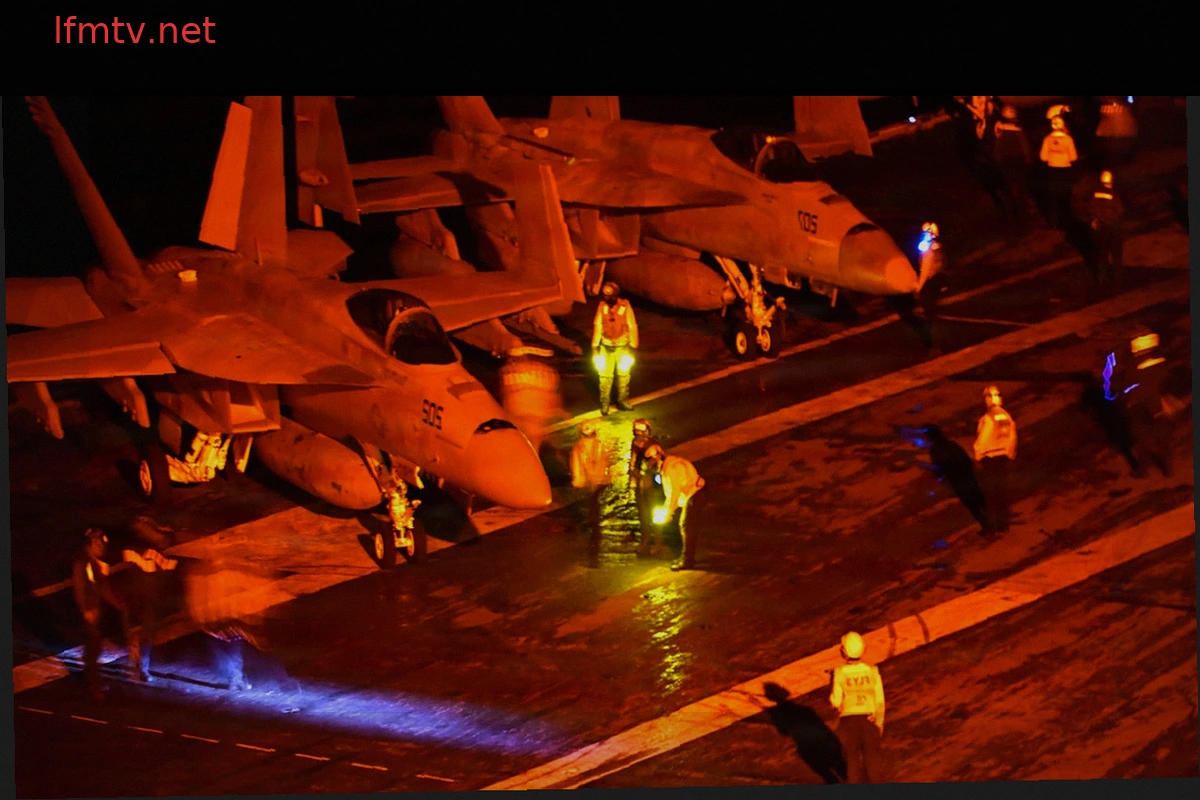
Trump Threatens to Destroy Iran's Kharg Island Oil Hub as Hostilities Escalate
U.S. forces have conducted strikes on two Iranian rocket launchers located on Larak Island. This action followed observations of Revolutionary Guard forces preparing rockets armed with sea mines for deployment into the Strait of Hormuz, according to confirmation from U.S. Central Command. N
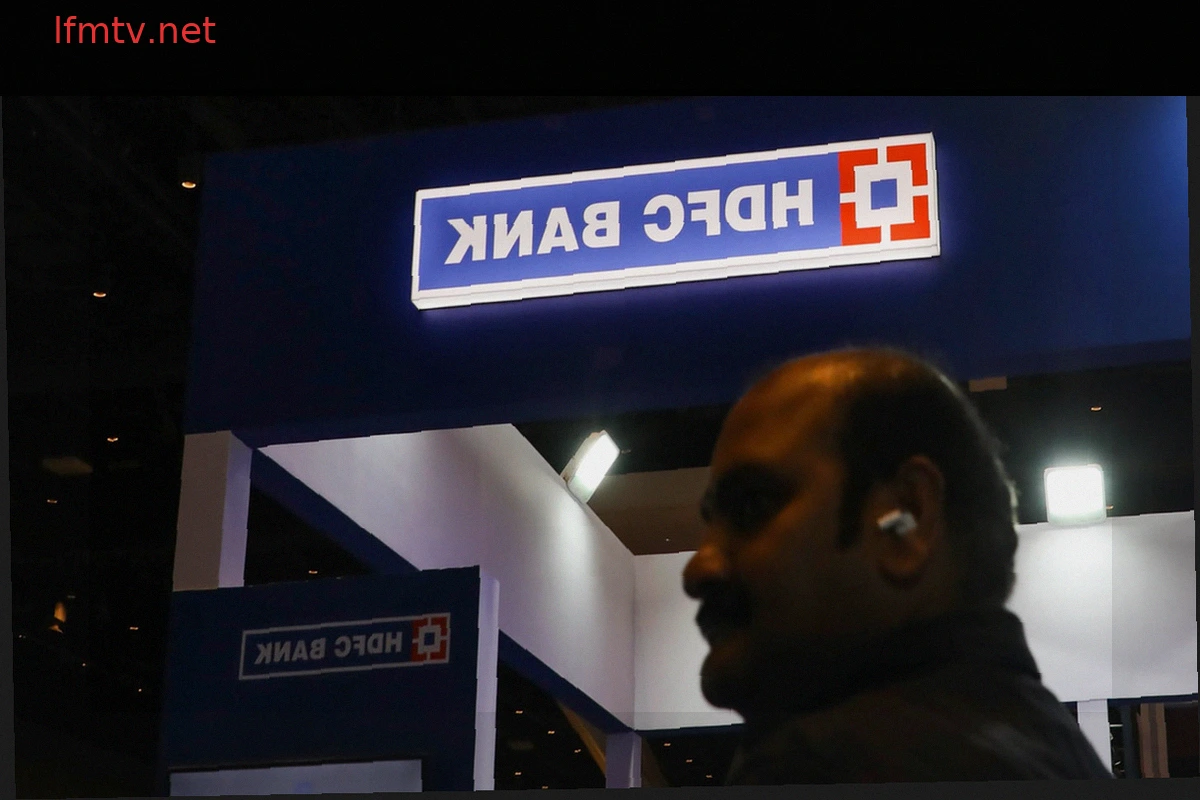
HDFC Bank Shares Rise on News of CEO's Unexpected Departure
HDFC Bank, India's largest private lender, experienced an increase in its share price on Monday, though it later pared back its gains. This movement followed a surprise announcement from Chief Executive Sashidhar Jagdishan that he will be exiting the bank upon the conclusion of his te
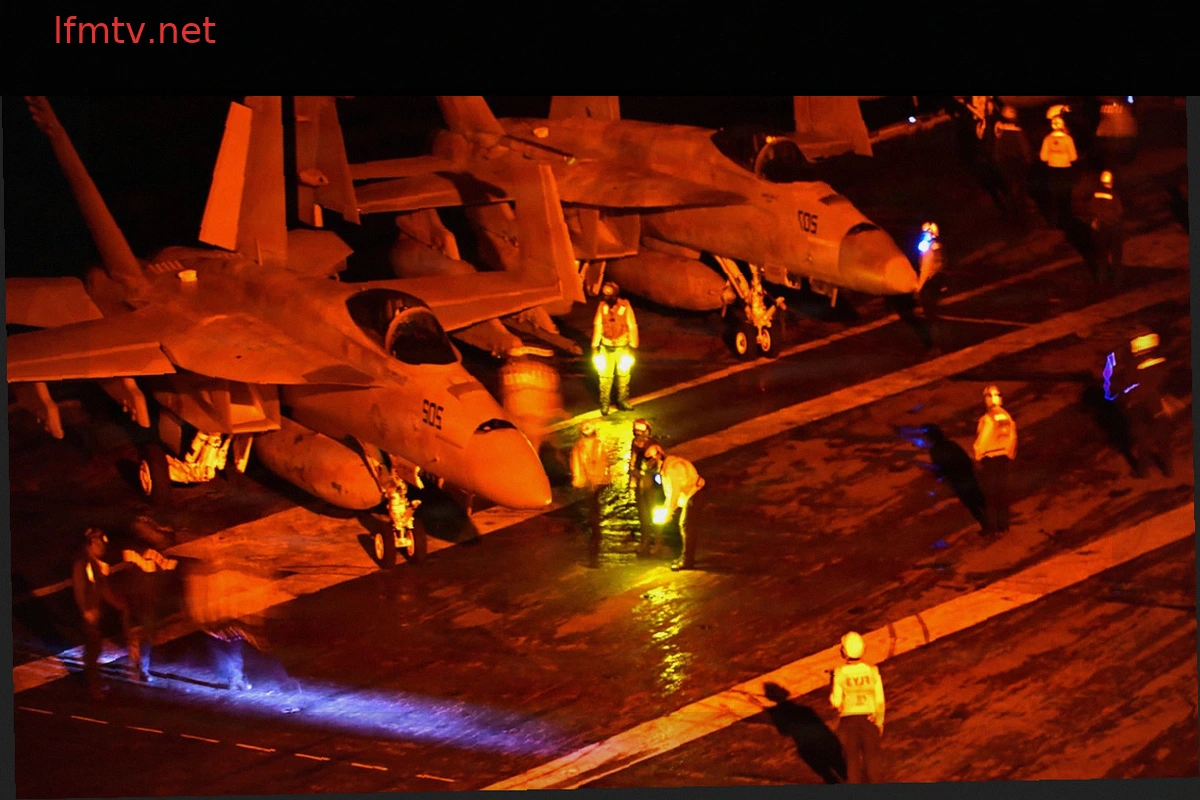
U.S. and Iran Exchange Strikes Amid Escalating Tensions
U.S. military forces carried out strikes on two Iranian rocket launchers located on Larak Island on Sunday. This action was taken following reports from the U.S. Central Command that Iranian Revolutionary Guard forces were preparing to launch rockets equipped with sea mines towards the

Aon Nears $17 Billion Deal to Acquire Insurance Broker USI from KKR
Aon is reportedly in advanced discussions to acquire USI, a prominent insurance brokerage firm, in a deal valued at approximately $17 billion, including debt. The seller is the private-equity firm KKR. According to The Wall Street Journal, the agreement could be announced as e
Key Stock Market Focus: Earnings, Cybersecurity, and Economic Data
This week, the stock market is under close observation as two prominent AI chipmakers, Broadcom and Palo Alto Networks, prepare to release their earnings. The dynamic cybersecurity landscape and the labor market will also be central themes. Here's an in-depth look at three critical areas t

Dolly Parton's Resilience: Underestimation as a Strength
For decades, Dolly Parton was surprisingly underestimated, a fact that ultimately became one of her greatest assets. In a 2015 interview at Dollywood Theme Park, the famously optimistic singer-songwriter candidly shared her past struggles with depression and feelings