Trump, Iran, Oil, and UFC: Navigating Geopolitical Tensions
The phrase "TACO Trump" is once again a focal point for market observers, who are deliberating whether past trading strategies concerning Donald Trump's provocative statements remain relevant amid an active conflict with Iran and volatile oil prices. This re-evaluation occurs even as UFC CEO Dana White maintains that the ongoing Middle East tensions will not disrupt the promotion's scheduled events in the area.
The "TACO Trump" Phenomenon
The "TACO" concept, an acronym for "Trump Always Chickens Out," originated on Wall Street. It characterized the practice of "buying the dip" whenever Trump announced aggressive policies, based on the expectation that he would eventually moderate his position, leading to market recovery. Financial analysts, including Robert Armstrong of The Financial Times, and various investment firms, note this trend from earlier trade disputes where Trump would propose extensive tariffs, only to partially retract them after market declines.
Iran, Oil Markets, and Regional Stability
The current conflict involving Iran has introduced this speculative trading approach to a much more perilous environment. Following targeted U.S. and Israeli actions against Iranian nuclear and military sites in mid-2025 and early 2026, Iran retaliated by launching missiles and drones. These attacks targeted American military installations, allied Gulf states, Israel, and even reportedly attempted to strike the joint U.S.-U.K. base at Diego Garcia.
These confrontations have impeded shipping through the Strait of Hormuz and created significant instability in energy markets. Experts caution that any further escalation or misjudgment could severely constrain oil supplies and detrimentally affect global economic expansion. Several market strategists now contend that applying "TACO" logic during an active regional war is considerably riskier than during tariff disputes, as physical damage to vital infrastructure and shipping routes cannot be reversed by mere rhetoric.
Despite the gravity of the situation, Trump has begun issuing contradictory statements, once again prompting "TACO"-style analyses. Recently, he asserted that Iran's military was "100% destroyed," suggested Tehran was open to negotiations, and implied the U.S. might be "winding down" its military efforts. Concurrently, Iranian authorities have publicly refuted any interest in a ceasefire.
Recent reports revealed that Washington is now reportedly open to ceasefire talks, a change from its previous opposition to any operational pause. For investors, this raises a crucial question: is the White House preparing another policy shift that could stabilize oil prices and bolster risk assets, or are these merely tactical discussions while the conflict continues unabated?
Impact on S&P 500 Futures
S&P 500 futures registered declines this morning, driven by fresh anxieties that the Iran conflict might prove more protracted and destabilizing. This dip occurred even as oil prices experienced significant fluctuations following Trump's recent remarks regarding potential ceasefire discussions.
Data from early U.S. pre-market trading on March 23 showed S&P 500 E-mini futures decreased by approximately 41 points, or about 0.6%. Dow futures experienced a comparable percentage drop, while Nasdaq 100 futures saw a slightly larger decline. This market movement coincided with warnings from Iran’s Revolutionary Guards, who stated they might target Israeli power infrastructure and Gulf facilities supporting U.S. bases if Trump proceeds with threats to "obliterate" Iran’s energy grid. Such warnings compelled traders to reconsider the likelihood of Federal Reserve interest rate cuts this year.
Trump's recent change in rhetoric, moving away from immediate attacks on Iranian energy infrastructure and indicating ongoing ceasefire negotiations, led to a sharp 11–14% decline in crude oil prices as traders temporarily anticipated de-escalation.
However, given that Iranian media outlets are disputing direct communications with Washington and no confirmed settlement has been reached, S&P 500 futures remain depressed. The market is caught between the immediate relief of lower oil prices and the apprehension that a collapse in negotiations could cause crude prices and market volatility to surge once more.
UFC's Regional Ambitions Amidst Conflict
Combat sports, too, are experiencing the repercussions of the geopolitical climate. At UFC London, CEO Dana White was directly questioned about whether the Iran conflict and missile activities near the Gulf might necessitate alterations to the promotion’s Middle East event calendar. White firmly dismissed the idea of relocating events, affirming that scheduled shows in Baku, Azerbaijan (June) and Abu Dhabi, UAE (July) would proceed as planned, despite regional security worries and recent reports of drone activity near the Iran-Azerbaijan border. White has previously suggested that public sentiment rarely influences U.S. military decisions, and his resolve to maintain the UFC schedule reflects this philosophy: business operations persist while political entities and financial markets respond to the ongoing war.
For athletes and fans in the region, the implications are far more concrete than a financial term. The UFC events slated for Baku and Abu Dhabi are crucial opportunities for fighters from Eastern Europe, the Caucasus, and the Arab world. Many depend on these shows to improve their rankings, earn significant bonuses, and cultivate a regional fanbase.
Should the Iran conflict intensify or if oil-induced market instability leads to travel and security constraints, these vital opportunities could face delays, even if the "TACO" hypothesis regarding Trump's eventual de-escalation proves accurate.
Joe Rogan's Concerns Over UFC White House Event
Although the Iran conflict has not led to the cancellation of the planned UFC event at the White House, it has transformed it into a contentious political issue and a significant security challenge, a point highlighted by Joe Rogan and others. This event, "UFC Freedom 250," is a six-fight card planned for June 14, 2026, on the South Lawn, coinciding with America’s 250th anniversary celebrations and Donald Trump’s 80th birthday.
Following U.S. and Israeli attacks on Iran in late February, which provoked widespread missile and drone exchanges, both critics and fans have voiced concerns that hosting a prominent fight card at the President’s official residence could create an avoidable target. Joe Rogan has reiterated these anxieties on his podcast and in various interviews, describing the prospect of a UFC event at the White House "in the middle of a damn war" as "very high security, high stress, and strange." He also confessed worries that the event might be perceived as a symbolic target if regional tensions persist through June.
Currently, the war's most immediate impact pertains less to logistical issues and more to public perception and inherent risks. Both the UFC and the Trump administration have maintained the original date and venue, with indications suggesting the President is personally engaged in ticket arrangements and promotional efforts, even as the conflict continues.
Should the Iran conflict intensify or if oil-induced market instability leads to travel and security constraints, these vital opportunities could face delays, even if the "TACO" hypothesis regarding Trump's eventual de-escalation proves accurate.
Fresh materials — MMA News
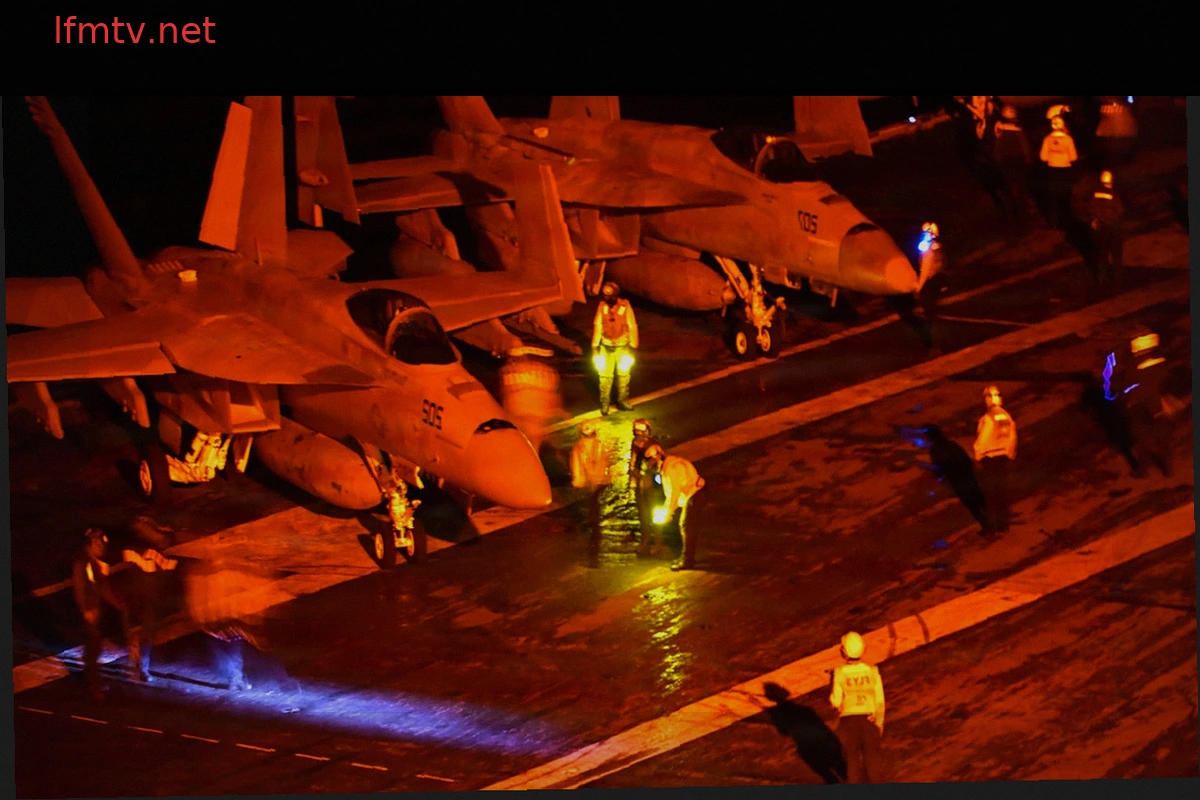
Trump Threatens to Destroy Iran's Kharg Island Oil Hub as Hostilities Escalate
U.S. forces have conducted strikes on two Iranian rocket launchers located on Larak Island. This action followed observations of Revolutionary Guard forces preparing rockets armed with sea mines for deployment into the Strait of Hormuz, according to confirmation from U.S. Central Command. N
HDFC Bank Shares Rise on News of CEO's Unexpected Departure
HDFC Bank, India's largest private lender, experienced an increase in its share price on Monday, though it later pared back its gains. This movement followed a surprise announcement from Chief Executive Sashidhar Jagdishan that he will be exiting the bank upon the conclusion of his te
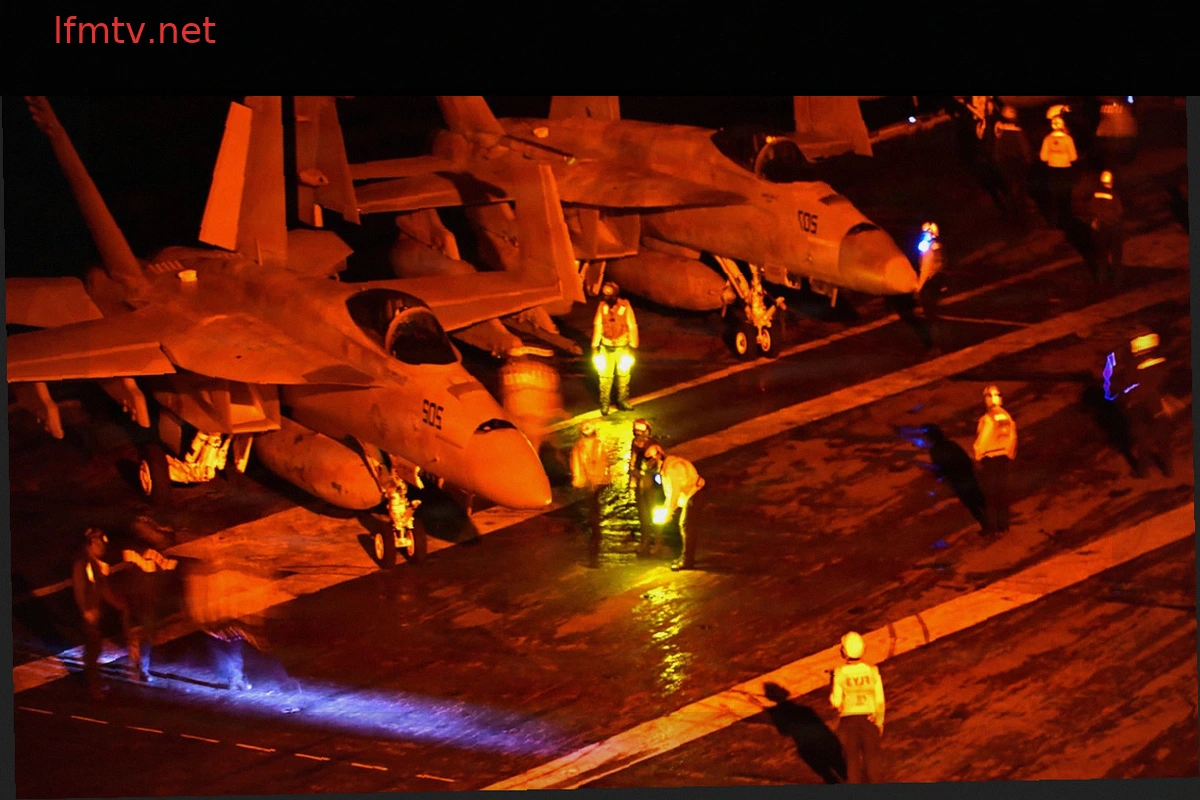
U.S. and Iran Exchange Strikes Amid Escalating Tensions
U.S. military forces carried out strikes on two Iranian rocket launchers located on Larak Island on Sunday. This action was taken following reports from the U.S. Central Command that Iranian Revolutionary Guard forces were preparing to launch rockets equipped with sea mines towards the
Aon Nears $17 Billion Deal to Acquire Insurance Broker USI from KKR
Aon is reportedly in advanced discussions to acquire USI, a prominent insurance brokerage firm, in a deal valued at approximately $17 billion, including debt. The seller is the private-equity firm KKR. According to The Wall Street Journal, the agreement could be announced as e
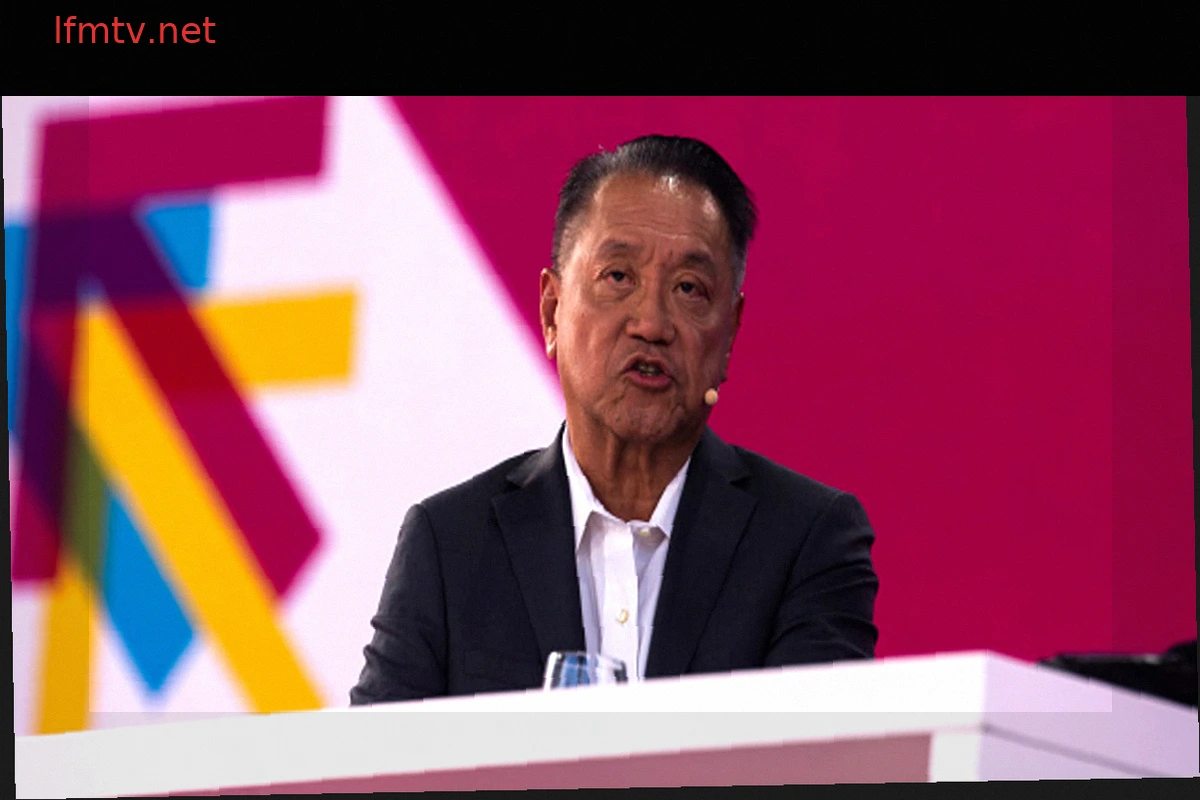
Key Stock Market Focus: Earnings, Cybersecurity, and Economic Data
This week, the stock market is under close observation as two prominent AI chipmakers, Broadcom and Palo Alto Networks, prepare to release their earnings. The dynamic cybersecurity landscape and the labor market will also be central themes. Here's an in-depth look at three critical areas t
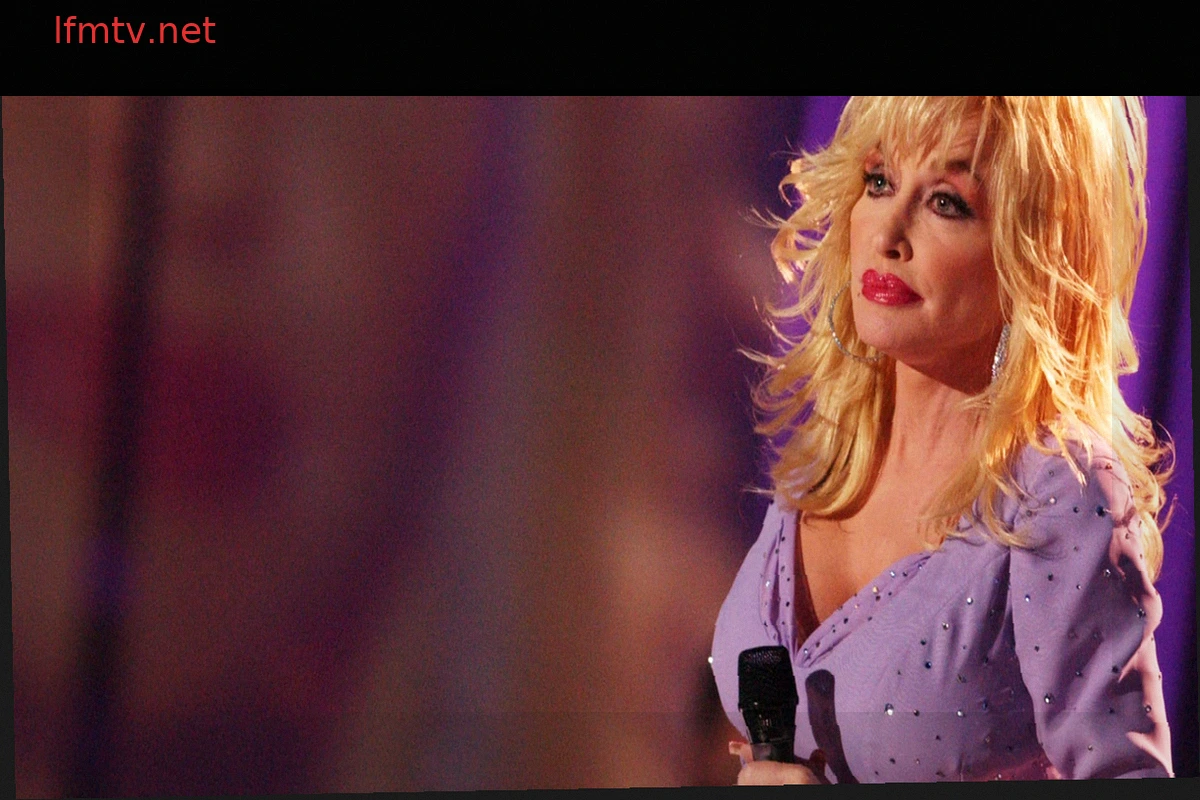
Dolly Parton's Resilience: Underestimation as a Strength
For decades, Dolly Parton was surprisingly underestimated, a fact that ultimately became one of her greatest assets. In a 2015 interview at Dollywood Theme Park, the famously optimistic singer-songwriter candidly shared her past struggles with depression and feelings