Eric Bischoff's Real American Freestyle: A Hybrid of Sports Entertainment and Combat Sports
Real American Freestyle (RAF) marks Eric Bischoff's latest venture into fusing live television production with the raw energy of combat sports. Bischoff candidly acknowledges that RAF's foundation is built upon his extensive background, particularly his time steering WCW Monday Nitro and later contributing to WWE's production. He envisions RAF as a freestyle wrestling league that, while inherently unscripted and competitive, leverages a familiar television 'recipe' designed to resonate with both professional wrestling and mixed martial arts enthusiasts.
Rapidly transitioning from concept to a consistent live product, Real American Freestyle has successfully carved out a unique space, captivating fans who seek authentic competition presented with the grandeur of a major sporting event.
Bischoff highlights the significant interest from both wrestling and MMA fanbases, RAF's expanding digital presence, and a diverse talent roster comprising accomplished freestyle athletes alongside promising young prospects. This indicates RAF is successfully establishing itself as a viable platform for wrestlers navigating the transition between Olympic cycles and professional MMA, suggesting its experimental approach is proving fruitful.
Eric Bischoff's legacy is most notably defined by his executive role at WCW, where he spearheaded Monday Nitro's challenge against WWE Raw during the 1990s, fostering the iconic New World Order storyline and briefly positioning WCW at the forefront of the industry. Subsequently, he contributed to WWE in both on-screen and behind-the-scenes capacities, influencing production and creative strategies. His career then branched into podcasting and media, focusing on his extensive background in televised wrestling. Throughout his journey, Bischoff has accumulated unparalleled experience as a promoter, producer, and talent, offering a comprehensive understanding of business, creative direction, and live event management.
This rich tapestry of experience is now being applied to Real American Freestyle, serving as the ultimate proving ground for the lessons he gleaned during the Monday Night War era. In a recent interview, Bischoff provided a detailed breakdown of his vision for RAF.
Eric Bischoff: Bringing Pro Wrestling Production to the Mat
When discussing the WCW elements he integrates into Real American Freestyle, Bischoff immediately emphasizes structural methodology. His focus isn't on individual stars or narrative arcs, but rather on the intricate assembly of the show itself.
The most apparent aspect is the show's format itself. Think of the format as a recipe: it dictates all the ingredients, their timing, how long they're combined, and how they're 'cooked.' It's akin to baking a highly intricate cake.
Bischoff believes RAF extensively draws from the live event frameworks perfected by WCW Nitro, WWE, and even UFC. This includes meticulously planned timing, segment transitions, and production cues designed to captivate casual viewers while gratifying dedicated fans. He observes that contemporary UFC broadcasts increasingly resemble a professional wrestling layout, a trend RAF actively embraces.
Many core elements of our format originate from what I utilized at Nitro, or what is evident in WWE and UFC. We selectively adopt the best aspects from these formats, primarily drawing from WWE. Observing the UFC, its format closely mirrors that of WWE; while less intricate and with fewer moving components, the fundamental structure is quite similar. This identical formula will be discernible in RAF.
Enhanced production values are integral to this package. Bischoff confirms that signature elements from Nitro, such as elaborate arena staging and pyrotechnic-enhanced entrances, are being incorporated into RAF's presentation.
That's likely the most striking feature. For our most recent event, we introduced pyrotechnics, a feature we intend to continue. Nearly everything you witness is directly inspired by my extensive background in sports entertainment.
RAF: Forging Its Own Lane Between Pro Wrestling and MMA
Real American Freestyle debuted in 2025 from Tampa, Florida, supported by venture capital and featuring Hulk Hogan as commissioner alongside Bischoff as chief media officer. RAF distinguishes itself as an unscripted freestyle and folkstyle wrestling league where victories are legitimately earned, yet its presentation is heavily influenced by sports entertainment aesthetics. This strategic timing capitalizes on the UFC's enduring success in normalizing combat sports for mainstream television, simultaneously appealing to wrestling fans who are receptive to novel formats that retain a sense of familiarity.
It truly has. People employ various metaphors, like 'creating your own lane,' but we have undeniably forged our distinct path here.
Bischoff highlights the evolution of the UFC over the past three decades—from a pay-per-view novelty to a cornerstone asset for major media corporations—as having paved the way for initiatives like RAF. He asserts that freestyle wrestling is fundamental to this ascent of combat sports.
Combat sports, overall, have witnessed remarkable growth over the past three decades. While UFC has a long history and the sport itself has been expanding significantly, it's truly hitting its stride now. Discovering an opportunity to introduce a combat sport of this nature is exhilarating, especially since freestyle wrestling is humanity's oldest combat sport and an indispensable component of any MMA athlete's skill set.
Freestyle and Greco-Roman wrestling serve as the foundational discipline for numerous MMA champions and contenders, ranging from accomplished American collegiate athletes to renowned Russian and Caucasus stars. Bischoff views RAF as providing this crucial skill set with a dedicated television platform. The innovative aspect is RAF's commitment to packaging the sport with dynamic camerawork, engaging commentary, and strategic pacing specifically tailored for a live television audience.
When examining many prominent figures and legends in MMA, their origins often trace back to wrestling. Wrestling is intrinsically linked to MMA. Our endeavor has simply been to spotlight this fundamental discipline, amplify its popularity, and present it in a format that is both captivating and entertaining to viewers. The result isn't a new sport entirely, but rather a fresh and engaging way to experience it.
Wrestling as a Universal Language
Bischoff concurs that freestyle wrestling possesses a more inherent global appeal compared to American-style professional wrestling, which heavily relies on specific cultural contexts, promotional narratives, and evolving character arcs. Olympic and world championship wrestling already command significant audiences across Eastern Europe, the Caucasus, Iran, Japan, and Central Asia—regions where the sport boasts profound historical roots.
That holds true. Olympic-style wrestling, whether termed freestyle or Greco-Roman, likely enjoys greater global popularity than it does within the United States.
He points to Dagestan, a Russian republic of approximately 3.1 million inhabitants, as a prime example, noting its consistent production of Olympic and world champions and where freestyle wrestling is revered as a national pastime. Bischoff also identifies the Middle East, Europe, and Japan as regions characterized by deep-rooted wrestling traditions and robust talent development systems.
Observing Russia, and Dagestan specifically, one can witness the sheer number of phenomenal athletes emerging from their wrestling clubs. Consistently, the Middle East has produced exceptional wrestlers, a trend also seen across Europe and Japan. Indeed, Japan boasts a wealth of formidable wrestlers. Freestyle wrestling enjoys widespread popularity globally.
Within this global context, RAF's primary objective isn't to educate audiences on the mechanics of a takedown or a tilt. Instead, it aims to provide wrestlers with a professional platform where they can earn a livelihood, cultivate a fanbase, and compete under rules respected by serious enthusiasts. For Bischoff, this endeavor represents the convergence of decades of television production expertise with the world's most ancient combat sport.
Fresh materials — MMA News
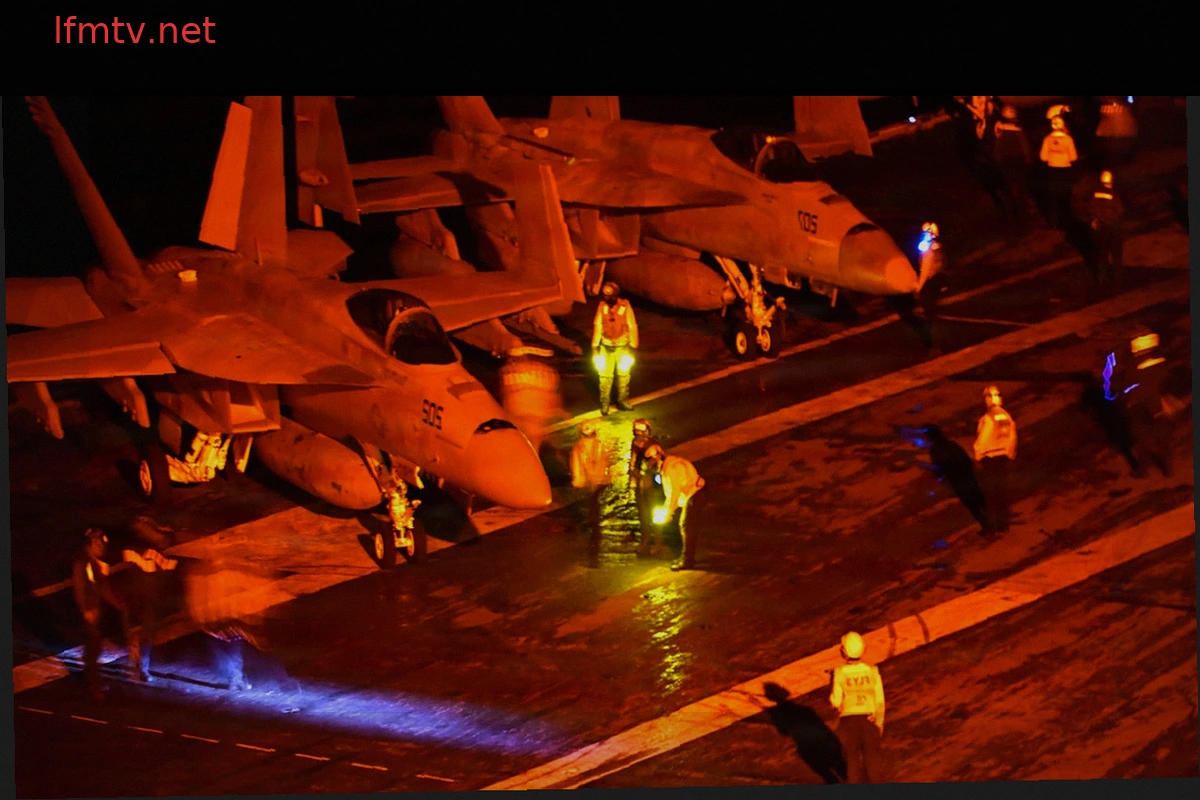
Trump Threatens to Destroy Iran's Kharg Island Oil Hub as Hostilities Escalate
U.S. forces have conducted strikes on two Iranian rocket launchers located on Larak Island. This action followed observations of Revolutionary Guard forces preparing rockets armed with sea mines for deployment into the Strait of Hormuz, according to confirmation from U.S. Central Command. N
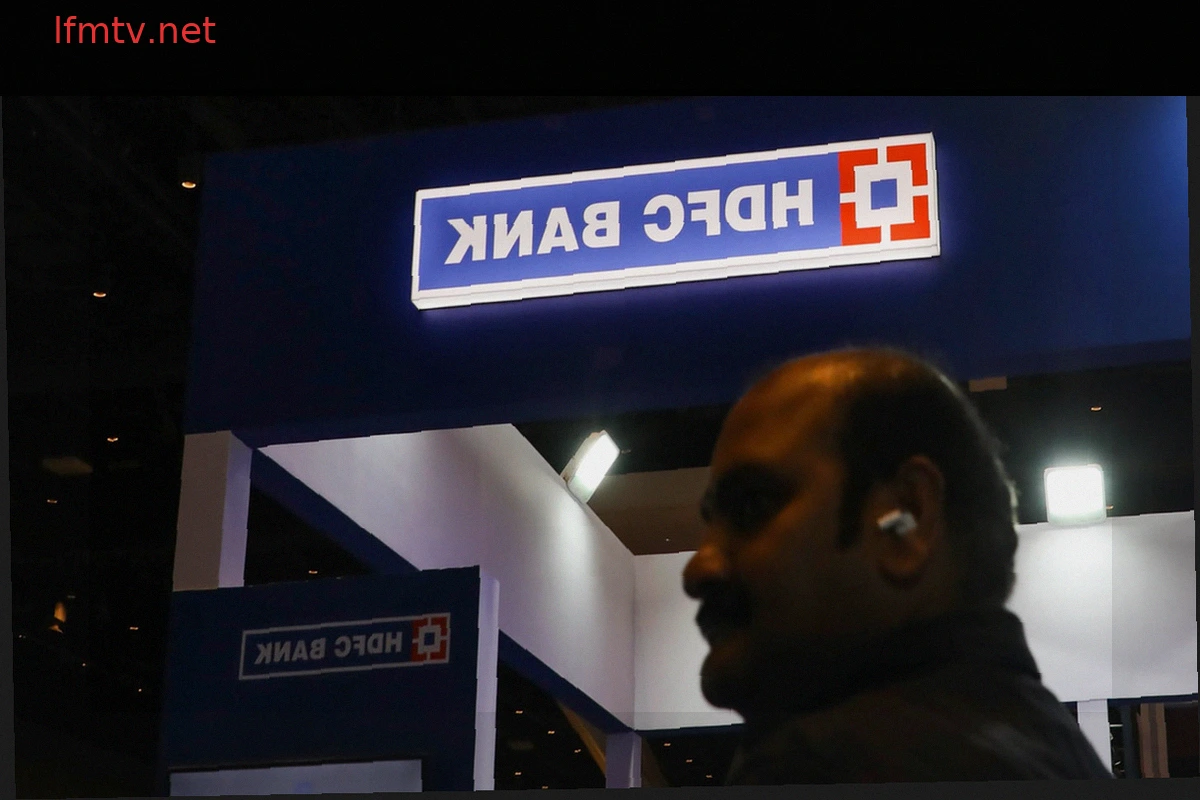
HDFC Bank Shares Rise on News of CEO's Unexpected Departure
HDFC Bank, India's largest private lender, experienced an increase in its share price on Monday, though it later pared back its gains. This movement followed a surprise announcement from Chief Executive Sashidhar Jagdishan that he will be exiting the bank upon the conclusion of his te
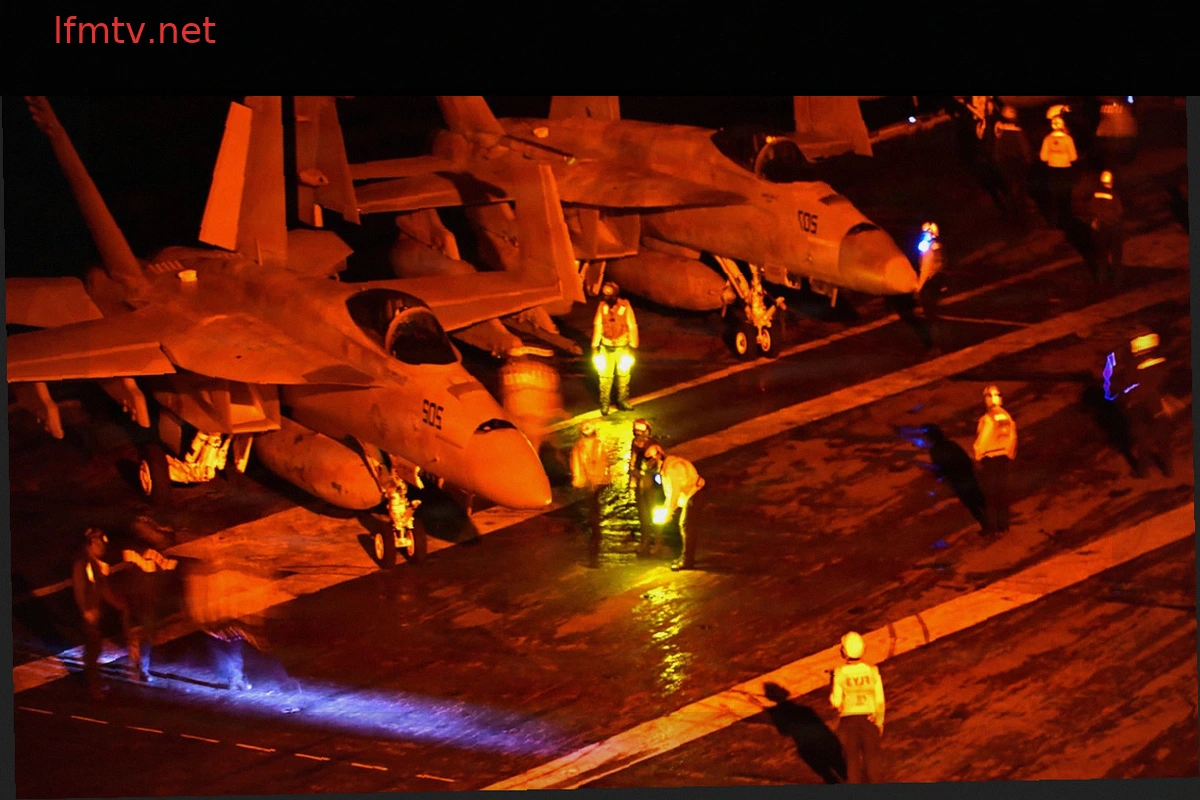
U.S. and Iran Exchange Strikes Amid Escalating Tensions
U.S. military forces carried out strikes on two Iranian rocket launchers located on Larak Island on Sunday. This action was taken following reports from the U.S. Central Command that Iranian Revolutionary Guard forces were preparing to launch rockets equipped with sea mines towards the
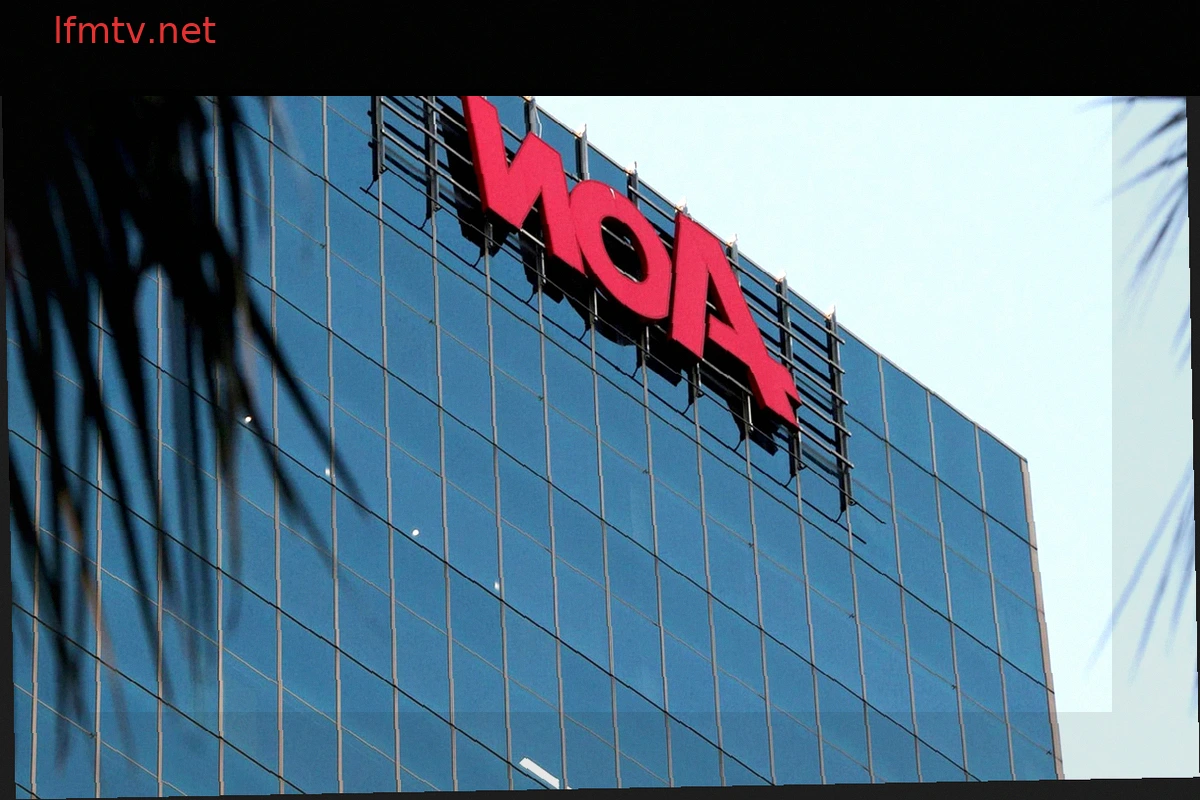
Aon Nears $17 Billion Deal to Acquire Insurance Broker USI from KKR
Aon is reportedly in advanced discussions to acquire USI, a prominent insurance brokerage firm, in a deal valued at approximately $17 billion, including debt. The seller is the private-equity firm KKR. According to The Wall Street Journal, the agreement could be announced as e
Key Stock Market Focus: Earnings, Cybersecurity, and Economic Data
This week, the stock market is under close observation as two prominent AI chipmakers, Broadcom and Palo Alto Networks, prepare to release their earnings. The dynamic cybersecurity landscape and the labor market will also be central themes. Here's an in-depth look at three critical areas t
Dolly Parton's Resilience: Underestimation as a Strength
For decades, Dolly Parton was surprisingly underestimated, a fact that ultimately became one of her greatest assets. In a 2015 interview at Dollywood Theme Park, the famously optimistic singer-songwriter candidly shared her past struggles with depression and feelings